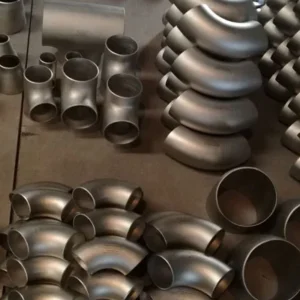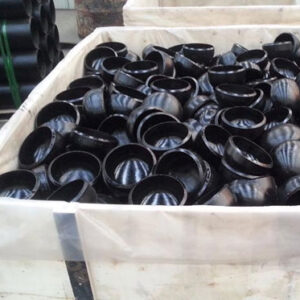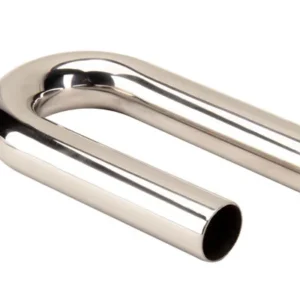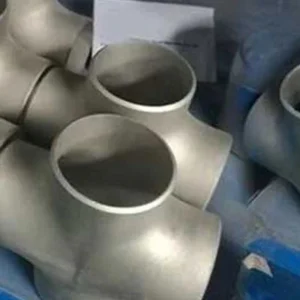
Description
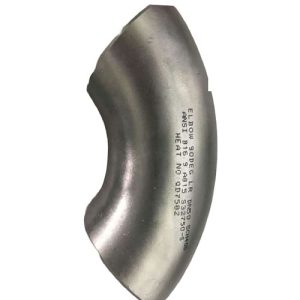
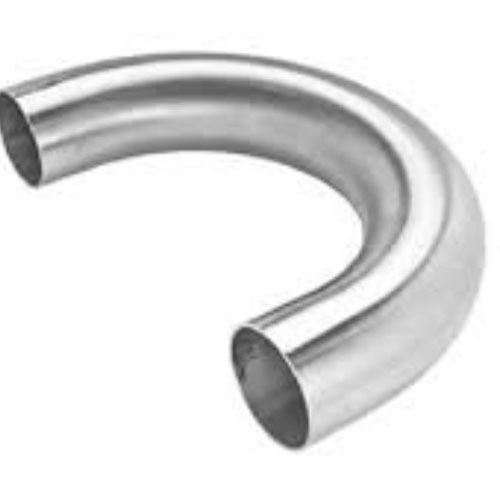
Industrial pipeline systems often need to change direction while maintaining structural integrity and meeting demanding operating requirements. A Buttweld Hot Induction Bend is a pipe component manufactured using controlled induction heating and bending to create a specified curve in a pipe. It is used in pipeline projects where bend radius, material properties and dimensional accuracy are important.
Masiva Metals supports industrial piping procurement requirements by helping buyers identify components according to their project specifications. Choosing the right induction bend involves evaluating pipe dimensions, material grade, bend angle, radius, wall thickness and operating conditions.
Buttweld Hot Induction Bend
A Buttweld Hot Induction Bend is produced by locally heating a section of pipe using an induction coil while applying a controlled bending force. The process allows the pipe to form a curve without assembling multiple short pipe sections to create the same directional change.
The resulting bend has butt-welding ends for connection to adjoining pipes. Its suitability depends on the manufacturing procedure, material specification, dimensional tolerances and inspection requirements.
These bends may be specified for industrial pipelines that require particular routing geometry or large-radius directional changes. The final product must meet the engineering requirements of the intended service.
Hot Induction Pipe Bend
A Hot Induction Pipe Bend is manufactured through a process that heats a narrow area of the pipe before bending it gradually to the required radius. The process can produce bends with consistent geometry when the heating, bending and cooling procedures are properly controlled.
The bend’s final properties depend on factors such as the base material, wall thickness, heating conditions and manufacturing controls. Depending on the material and specification, heat treatment and mechanical testing may also be required.
Buyers should identify the required pipe size, bend angle, centreline radius, material grade and applicable standard when sourcing a Hot Induction Pipe Bend.
Butt Weld Induction Bend
A Butt Weld Induction Bend connects to adjoining pipeline sections through butt-weld joints. The ends are prepared to suit the specified pipe dimensions and welding requirements.
A suitable connection requires compatible materials, correct end preparation and an approved welding procedure. For pressure-containing systems, the completed weld and fitting must meet the applicable project code and inspection criteria.
Internal alignment is also important because an abrupt transition or mismatch between adjoining components can affect flow and increase local turbulence. Dimensional checks help verify that the bend matches the pipeline design.
Industrial Induction Bend
An Industrial Induction Bend may be used in pipeline systems across energy, manufacturing, process industries and infrastructure projects. Its purpose is to provide a controlled directional change while meeting the layout and engineering requirements of the system.
When specifying an industrial bend, project teams should consider:
-
Pipe outside diameter and wall thickness
-
Required bend angle and centreline radius
-
Material grade and corrosion conditions
-
Operating pressure and temperature
-
Dimensional tolerances
-
Applicable manufacturing standards
-
Inspection, testing and certification requirements
The correct specification helps ensure that the bend can be integrated into the pipeline safely and effectively.
Induction Bend Manufacturer
When evaluating an Induction Bend Manufacturer or supplier, buyers should focus on technical capability and the ability to meet the project’s documented requirements. Manufacturing quality, material traceability and inspection procedures can be important for critical pipeline applications.
Before placing an order, confirm whether the supplier can meet the required dimensions, material specification, bend geometry and documentation needs. Depending on the project, this may include material test certificates, dimensional inspection reports, non-destructive examination and mechanical testing.
Clear technical communication reduces the risk of receiving a component that does not match the pipeline design.
Carbon Steel Induction Bend
A Carbon Steel Induction Bend may be specified for pipeline applications where carbon steel meets the required strength and service conditions. The appropriate grade depends on the pipeline design, fluid characteristics, pressure, temperature and applicable code.
Carbon steel is used in many industrial pipeline systems, but its suitability must be verified for the specific operating environment. Corrosion management, coatings and other protective measures may be required depending on the application.
Buyers should provide the exact material designation and any requirements for heat treatment, testing or traceability.
Stainless Steel Induction Bend
A Stainless Steel Induction Bend may be suitable for applications that require corrosion resistance or compatibility with particular process fluids. The correct grade depends on the fluid composition, temperature, surrounding environment and cleaning requirements.
Induction bending can influence material properties, so the manufacturing procedure and any required heat treatment should comply with the applicable specification. Buyers should confirm the material grade, dimensions, wall thickness and required inspection documents.
Material compatibility with adjoining pipes and the welding procedure should also be reviewed before installation.
Alloy Steel Induction Bend
An Alloy Steel Induction Bend may be required where the project specifies an alloy material for particular mechanical or temperature-related conditions. The precise grade should be selected according to the design specification rather than the general category of alloy steel.
Relevant requirements may include controlled manufacturing procedures, heat treatment, mechanical testing, chemical composition verification and traceability documentation. The welding procedure must also be suitable for the selected material.
Confirming these details during procurement helps ensure that the finished bend is consistent with the project’s engineering requirements.
Long Radius Induction Bend
A Long Radius Induction Bend provides a gradual change in pipeline direction. The larger centreline radius can be useful where the pipeline layout calls for a smooth curve, although the appropriate radius depends on the design and operating requirements.
Bend radius can influence pressure losses, flow behaviour, installation space and pigging compatibility. For systems that use pipeline inspection or cleaning tools, the radius and internal geometry should be checked against the pig manufacturer’s requirements.
Buyers should specify the required radius and bend angle rather than relying on a general description such as “long radius.”
Pipeline Induction Bend
A Pipeline Induction Bend is selected according to the routing and operating requirements of the pipeline. It may be used where a controlled curve is preferable to assembling several smaller fittings to achieve the desired direction change.
Pipeline engineers should consider stress distribution, wall-thickness requirements, material properties, weldability and installation constraints. For demanding applications, the bend may require additional inspection and verification to demonstrate compliance with the applicable specification.
A properly specified bend helps the pipeline follow its intended route while meeting the project’s technical requirements.
Benefits of Buttweld Hot Induction Bends
Hot induction bends offer several potential benefits when selected for an appropriate application.
Controlled geometry: The manufacturing process can produce a bend to a specified angle and radius.
Reduced joint count: A single formed bend may replace a series of shorter fittings or pipe segments, depending on the design.
Flexible routing: Custom bend angles and radii can help accommodate pipeline layouts.
Butt-weld compatibility: Prepared ends allow the bend to be connected to compatible pipe sections through welded joints.
Project-specific options: Material, dimensions and geometry can be specified according to engineering requirements, subject to manufacturing capability.
Actual performance depends on the material, manufacturing quality, design and installation. These benefits should not replace technical evaluation of the intended application.
How to Select the Right Buttweld Hot Induction Bend
Before ordering a Buttweld Hot Induction Bend, confirm the complete technical specification.
-
Pipe dimensions: Identify the outside diameter and required wall thickness.
-
Bend angle: Specify the directional change required.
-
Centreline radius: Confirm the radius according to the pipeline design.
-
Material grade: Select a grade compatible with the operating environment.
-
Manufacturing standard: Identify the applicable standard and edition.
-
Heat treatment: State any requirements based on the material and specification.
-
Inspection: Confirm required non-destructive examination, testing and certification.
-
Quantity and delivery: Provide project quantities and required delivery details.
These checks help buyers compare products accurately and reduce procurement errors.
Applications of Buttweld Hot Induction Bends
Buttweld Hot Induction Bends may be specified for oil and gas pipelines, petrochemical facilities, power and utility infrastructure, industrial process lines and other engineered piping systems.
They can be useful where a pipeline must follow a particular route or where a controlled curve supports the overall design. The appropriate bend must be selected according to the service fluid, operating conditions, pipeline code and installation requirements.
For critical services, the engineering team should verify the finished bend’s dimensions, material properties and inspection records before approving it for installation.
Why Choose Masiva Metals?
Masiva Metals supports industrial piping procurement by helping buyers evaluate components against their project specifications. When enquiring about a Buttweld Hot Induction Bend, providing complete technical details can help establish the product requirements clearly.
Prepare the following information for your enquiry:
-
Required pipe size and wall thickness
-
Material grade
-
Bend angle and centreline radius
-
Applicable standard
-
Heat-treatment or testing requirements
-
Quantity
-
Required certificates and inspection records
-
Delivery and project details
Visit Masiva Metals to discuss your induction bend requirements and enquire about suitable industrial piping components.
Frequently Asked Questions
What is a Buttweld Hot Induction Bend?
It is a pipe bend formed by controlled induction heating and bending, with butt-welding ends for connection to adjoining pipe sections.
How is an induction bend manufactured?
A section of pipe is locally heated using an induction coil while controlled force gradually bends it to the specified radius and angle. Cooling and any subsequent treatment follow the relevant manufacturing procedure.
Which materials are used for induction bends?
Depending on the project and manufacturing capability, specified materials may include carbon steel, stainless steel and alloy steel. The exact grade must match the engineering requirements.
What information is needed to order an induction bend?
Provide the pipe diameter, wall thickness, material grade, bend angle, centreline radius, applicable standard, quantity and inspection requirements.
Are hot induction bends suitable for every pipeline?
No. Suitability depends on the pipeline’s operating conditions, material properties, bend geometry and governing engineering requirements. The design should be verified by the responsible engineering team.
What is the difference between an induction bend and a standard elbow?
An induction bend is formed from pipe using controlled local heating and bending, often to achieve a specified radius. A standard elbow is generally a manufactured fitting with defined dimensions and geometry. The correct option depends on the pipeline design.
Conclusion
A Buttweld Hot Induction Bend can provide a controlled directional change in industrial piping systems where specific bend geometry and butt-weld connections are required. Material grade, dimensions, centreline radius, manufacturing controls and inspection requirements are essential to choosing the right component.
For reliable procurement, confirm the full technical specification and intended service conditions before ordering. Contact Masiva Metals to discuss your Buttweld Hot Induction Bend requirements and explore suitable industrial piping solutions.