
Description
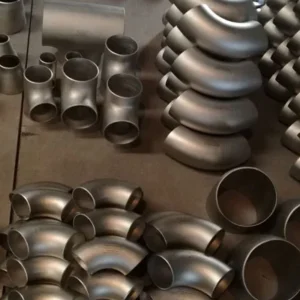
Pipeline systems used in oil and gas, petrochemical, water and industrial applications often require regular inspection, cleaning and maintenance. A Buttweld Piggable Bend is a specialised pipe fitting designed for pipeline layouts that must accommodate pipeline inspection gauges, commonly known as pigs. Its geometry helps support pig movement through bends while maintaining the pipeline’s required direction.
Selecting the right bend involves considering the pipeline diameter, bend radius, material grade, wall thickness and pigging requirements. Masiva Metals provides industrial piping component options for projects where accurate dimensions and technical specifications are important.
Buttweld Piggable Bend
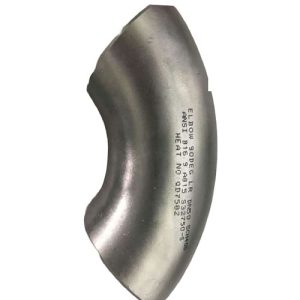
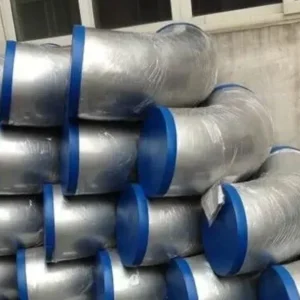
A Buttweld Piggable Bend is a pipe bend designed for use in pipelines that undergo pigging operations. Pigging involves sending a specialised device through the pipeline to clean internal surfaces, separate products, remove deposits or inspect pipeline conditions.
The bend is manufactured with butt-welding ends so that it can be welded to adjoining pipe sections. Its radius and internal geometry are important because a bend that is unsuitable for the selected pig may obstruct movement or affect inspection operations.
Before selecting a bend, pipeline engineers should confirm the pig type, pipeline diameter, required bend radius and applicable project specifications.
Piggable Pipe Bend
A Piggable Pipe Bend changes the direction of a pipeline while accommodating the passage of a suitable pipeline pig. The design must consider the dimensions and movement requirements of the pig, including its ability to navigate the bend without becoming stuck or damaged.
Piggable bends may be specified in pipeline systems where internal cleaning and inspection are routine maintenance activities. The suitability of a particular bend depends on the complete pipeline configuration, not just the nominal pipe size.
Important considerations include:
-
Pipeline diameter and wall thickness
-
Bend angle and centreline radius
-
Pig type and minimum turning radius
-
Internal geometry and weld alignment
-
Operating pressure and temperature
-
Material grade and corrosion conditions
-
Applicable engineering standards
These details help ensure that the bend is appropriate for the intended pigging operation.
Butt Weld Piggable Bend
A Butt Weld Piggable Bend connects to the pipeline through butt-weld joints. The prepared ends are aligned with the adjoining pipes and welded according to an approved welding procedure.
Butt-weld connections are commonly used in fabricated pipeline systems where permanent joints are required. Correct joint preparation, material compatibility and welding quality are essential to achieve the required connection integrity.
For piggable pipelines, internal weld alignment and surface irregularities may also require attention because they can affect pig passage. Any inspection or acceptance criteria should follow the project’s engineering specifications.
Industrial Piggable Bend
An Industrial Piggable Bend may be used in pipeline installations where cleaning, inspection or product movement requires a pig-compatible route. Applications can include oil and gas transportation, petrochemical processing, industrial fluid transfer and selected utility pipelines.
The fitting should be selected according to the service conditions and maintenance strategy. A bend designed for one pig type may not be suitable for another, particularly when the pipeline uses intelligent inspection tools with specific dimensional requirements.
Project teams should evaluate the bend alongside the pigging equipment, pipeline layout and operating procedures to establish compatibility.
Pipeline Piggable Bend
A Pipeline Piggable Bend forms part of a pipeline route that must allow a pig to travel through changes in direction. Bend radius is an important design parameter because the pig must negotiate the curve while maintaining contact, stability and movement.
The required radius depends on the pig’s construction and purpose. Cleaning pigs, batching pigs and intelligent inspection pigs can have different operating requirements, so the fitting should be selected for the intended equipment.
Engineers should also consider the pipeline’s internal diameter, ovality limits, joint configuration and other geometric requirements. These factors help reduce the risk of pigging difficulties during operation.
Stainless Steel Piggable Bend
A Stainless Steel Piggable Bend may be suitable for applications that require corrosion resistance or compatibility with particular process fluids. The correct stainless steel grade depends on the fluid composition, temperature, pressure and surrounding environment.
Material selection should account for the pipeline’s full operating conditions. Buyers should confirm the specified grade, dimensions, wall thickness and applicable manufacturing requirements before ordering.
Where required, material test certificates and traceability documents should be included in the procurement specification. The bend must also be compatible with the adjoining pipe and the approved welding procedure.
Carbon Steel Piggable Bend
A Carbon Steel Piggable Bend may be specified for pipeline applications where carbon steel meets the required mechanical and service conditions. Its suitability depends on the material grade, operating pressure and temperature, corrosion allowance and applicable pipeline code.
Carbon steel is used in many industrial pipeline designs, but the grade must be selected according to the project’s engineering requirements. External coatings, internal protection or other corrosion-management measures may also be required depending on the service environment.
Before procurement, verify the material specification, pipe dimensions, bend radius and any required testing or inspection documentation.
Long Radius Piggable Bend
A Long Radius Piggable Bend provides a gradual change in pipeline direction compared with a tighter bend. A larger radius may help certain pigs navigate the curve more easily, depending on their design and the pipeline’s operating requirements.
However, the term “long radius” does not automatically guarantee piggability. The bend must meet the minimum radius and geometry requirements specified for the intended pig, including any requirements for intelligent inspection tools.
Buyers should provide the required centreline radius, bend angle, pipe diameter and pigging specifications when requesting a quotation.
Pipeline Pigging Bend
A Pipeline Pigging Bend should be evaluated as part of the entire pigging system. Successful pigging depends on compatible bends, suitable internal dimensions, properly designed launchers and receivers, and appropriate operating procedures.
A bend that is too tight or has unsuitable internal transitions can create difficulties for some pigs. Therefore, the pipeline design should consider the pig’s dimensions and capabilities before the fitting is selected.
The engineering team should also assess the need for internal inspection, cleaning frequency and operating conditions to ensure the proposed bend is suitable for the intended service.
Buttweld Pipeline Fitting
A Buttweld Pipeline Fitting is connected to adjoining pipework through welded ends. Depending on the pipeline layout, such fittings can help create permanent connections while maintaining the required flow path.
For pigging applications, the fitting’s internal profile and dimensional consistency can be especially important. The bend should match the adjoining pipe in nominal size, wall thickness and material requirements.
Procurement specifications should clearly state the required standard, dimensions, bend angle, centreline radius, material grade and inspection requirements. Providing these details helps avoid mismatches during fabrication and installation.
How to Choose the Right Buttweld Piggable Bend
Choosing a Buttweld Piggable Bend requires coordination between pipeline design, pigging requirements and component procurement.
Consider the following factors before ordering:
-
Pipe size: Confirm the pipeline’s nominal diameter and internal diameter requirements.
-
Bend radius: Specify the centreline radius required for the intended pig.
-
Bend angle: Identify the direction change needed in the pipeline layout.
-
Material grade: Select a grade appropriate for the fluid and operating environment.
-
Wall thickness: Confirm the required pipe schedule or specified thickness.
-
Pig compatibility: Verify the bend geometry against the pig manufacturer’s requirements.
-
Standards: Identify applicable pipeline and fitting standards.
-
Inspection: Specify required testing, documentation and dimensional checks.
Accurate information supports better component selection and helps reduce the likelihood of installation or pigging problems.
Applications of Buttweld Piggable Bends
Buttweld Piggable Bends may be used in pipelines that require routine cleaning, inspection or product separation. Potential applications include oil and gas pipelines, petrochemical facilities, industrial fluid transportation systems and other engineered pipeline networks.
The appropriate bend depends on the pipeline’s purpose and the pigging equipment used. Some applications may require specialised geometry beyond a standard pipe bend, particularly when intelligent inspection tools have strict turning-radius requirements.
The final design should be approved by the responsible pipeline engineer and checked against the project’s operating conditions and relevant standards.
Why Choose Masiva Metals?
Masiva Metals supports industrial procurement requirements for piping components. When sourcing a Buttweld Piggable Bend, buyers should provide complete technical details to help identify a suitable product for their project.
Prepare the following information before requesting a quotation:
-
Pipe diameter and wall thickness
-
Required bend angle and centreline radius
-
Material grade
-
Applicable standards
-
Pigging equipment specifications
-
Required quantity
-
Inspection and certification requirements
-
Project delivery details
Visit Masiva Metals to enquire about industrial piping components and discuss your pipeline requirements.
Frequently Asked Questions
What is a Buttweld Piggable Bend?
It is a butt-weld pipe bend designed for use in a pipeline that must accommodate a suitable inspection or cleaning pig.
Why is bend radius important for pigging?
The pig must travel through the bend without becoming stuck or damaged. The required radius depends on the pig’s design, dimensions and intended function.
Which materials are used for piggable bends?
Depending on the project specification and supplier’s offering, materials may include carbon steel, stainless steel and other specified grades. The exact material should be selected for the operating conditions.
Are all long-radius bends piggable?
No. A long radius may help pig movement, but suitability depends on the actual radius, internal geometry, pipeline dimensions and pig manufacturer’s requirements.
What information is required to order a piggable bend?
Provide the pipe size, wall thickness, material grade, bend angle, centreline radius, applicable standards and details of the pigging equipment.
Where are Buttweld Piggable Bends used?
They may be used in oil and gas, petrochemical and other industrial pipeline systems where internal cleaning or inspection through pigging is required.
Conclusion
A Buttweld Piggable Bend is an important pipeline component when the system must support pig movement through directional changes. The correct selection depends on bend geometry, pipeline dimensions, material compatibility and the requirements of the intended pigging equipment.
By confirming the technical specification before procurement, project teams can improve component compatibility and support effective pipeline maintenance. Contact Masiva Metals to discuss your Buttweld Piggable Bend requirements and explore suitable industrial piping solutions.