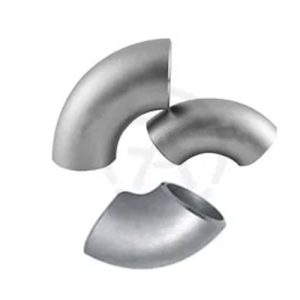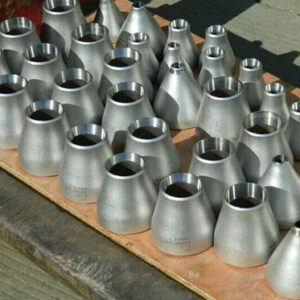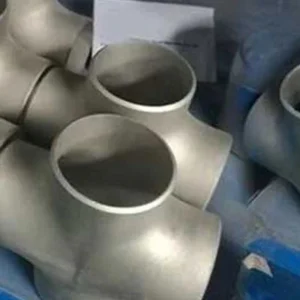
Description
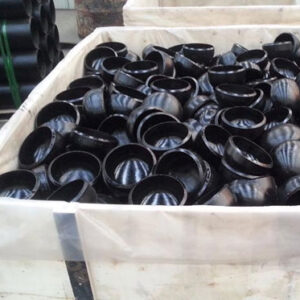
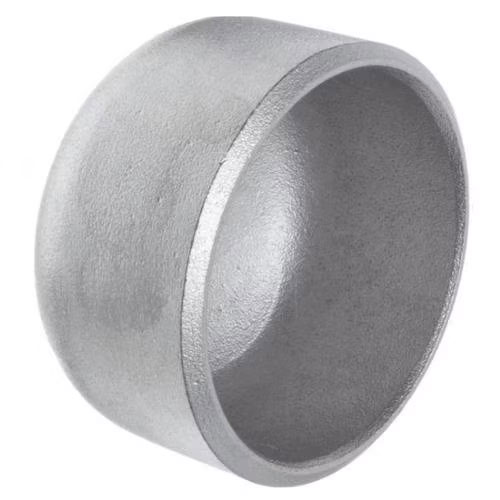
Industrial piping systems need dependable components to close pipe ends, terminate flow paths and support safe system design. A Buttweld End Pipe Cap is a pipe fitting designed to close the end of a pipe through a butt-weld connection. It is used in many industrial piping arrangements where a permanent closure is required.
Masiva Metals provides information and product options for industrial piping components, including buttweld pipe caps. Selecting the right fitting involves checking the pipe dimensions, material grade, wall thickness, applicable standards and operating conditions.
Buttweld End Pipe Cap
A Buttweld End Pipe Cap is a fitting shaped to cover and close an open pipe end. Its welding ends are prepared to connect with the adjoining pipe, forming a permanent joint when installed using an appropriate welding procedure.
Pipe caps are commonly used at the ends of pipelines, headers, tanks and selected process piping arrangements. The cap’s material and dimensions must be suitable for the system’s design requirements.
Before purchasing, confirm the pipe size, wall thickness, material specification, end preparation and any required inspection documentation. These details help ensure compatibility with the intended piping system.
Buttweld Pipe Cap
A Buttweld Pipe Cap is designed to create a closed termination in a piping network. Unlike a removable threaded closure, a butt-weld cap is welded to the pipe, making it suitable for applications where a permanent connection is required.
The cap should match the connected pipe in material compatibility and relevant dimensional requirements. Welding quality and inspection are important because the completed joint must meet the applicable engineering specification.
When specifying a Buttweld Pipe Cap, buyers should include the nominal pipe size, schedule or wall thickness, material grade, required standard and quantity.
Butt Weld End Cap
A Butt Weld End Cap is installed by aligning its prepared end with the pipe and completing the weld according to an approved welding procedure. The connection creates a permanent closure that can form part of a larger industrial piping system.
Correct installation depends on suitable joint preparation, qualified welding practices and any inspection required by the project. For systems operating under pressure or at elevated temperatures, the fitting and weld must be verified against the applicable design code.
Selecting the correct end cap before fabrication can help reduce fit-up issues and avoid unnecessary rework during installation.
Industrial Pipe End Cap
An Industrial Pipe End Cap is used in piping systems where an open end needs to be closed. Applications may include manufacturing facilities, utility networks, process plants, power-related installations and selected oil and gas facilities.
The fitting must be chosen according to the service conditions rather than its name alone. Important considerations include:
-
Pipe diameter and wall thickness
-
Design pressure and temperature
-
Process fluid and corrosion conditions
-
Material compatibility
-
Applicable dimensional and material standards
-
Welding and inspection requirements
A suitable pipe cap helps complete the intended piping layout when correctly specified and installed.
Stainless Steel Pipe Cap
A Stainless Steel Pipe Cap may be selected for applications that require corrosion resistance or compatibility with particular process fluids. Its suitability depends on the specific stainless steel grade and the operating environment.
Different grades have different chemical and mechanical properties. Buyers should therefore identify the required grade instead of specifying only “stainless steel.”
The order specification should include dimensions, wall thickness, material grade and any necessary testing or material certification. Compatibility with the connected pipe and the welding procedure should also be checked.
Carbon Steel Pipe Cap
A Carbon Steel Pipe Cap is used in industrial systems where carbon steel meets the design requirements. It may be specified for general process piping, utility systems and other applications depending on the material grade and service conditions.
Selection should consider operating pressure, temperature, corrosion allowance and the applicable piping code. Carbon steel is not automatically suitable for every fluid or environment, so material compatibility must be confirmed by the responsible engineering team.
Accurate specifications help buyers source a cap that matches the connected pipe and project requirements.
Alloy Steel Pipe Cap
An Alloy Steel Pipe Cap may be required when a particular alloy composition is specified to meet mechanical or temperature-related demands. The appropriate grade depends on the operating conditions and the engineering specification.
Before ordering, confirm the material designation, dimensions, wall thickness, manufacturing standard and documentation requirements. Any applicable heat treatment or welding requirements should also be considered during planning and installation.
Choosing a grade based on the approved specification helps maintain compatibility with the complete piping system.
Seamless Pipe Cap
A Seamless Pipe Cap is manufactured without a longitudinal welded seam in the fitting body. Some applications specify seamless construction according to design or procurement requirements.
However, seamless construction alone does not establish the pressure rating or suitability of a cap. Material grade, dimensions, manufacturing requirements, testing and the governing standard must all be evaluated together.
Buyers should state whether seamless construction is mandatory and identify any required inspection or certification documents when requesting a quotation.
ASME B16.9 Pipe Cap
An ASME B16.9 Pipe Cap is specified with reference to ASME B16.9, the standard covering factory-made wrought buttwelding fittings. Buyers should confirm the applicable edition and whether the product’s dimensions, material and end preparation meet the project specification.
The dimensional standard should be considered alongside the relevant material specification and piping code. A standards reference alone does not confirm suitability for every pressure, temperature or service condition.
For critical systems, verify all technical requirements and documentation before approving the fitting for installation.
Buttweld Pipe Fitting: Benefits and Selection
A Buttweld Pipe Fitting such as an end cap provides a permanent way to close a pipe end when the system design requires it. Correct selection helps ensure that the component fits the intended piping arrangement and meets the project’s requirements.
Before placing an order, review these factors:
-
Size: Confirm the nominal pipe size and connection dimensions.
-
Wall thickness: Specify the required schedule or exact thickness.
-
Material: Choose a grade suitable for the process fluid and operating environment.
-
Standard: Identify the applicable dimensional and material specifications.
-
End preparation: Confirm the required welding-end configuration.
-
Inspection: State any testing, certification or traceability requirements.
-
Quantity: Provide the number of caps required for the project.
Providing complete information helps reduce specification errors and supports more efficient procurement.
Applications of Buttweld End Pipe Caps
Buttweld End Pipe Caps may be used in industrial process lines, water and utility networks, manufacturing facilities, power-related systems and other piping installations where a permanent end closure is needed.
They can also be specified for headers and selected equipment connections. In some engineered systems, a closed end may later be modified as part of a planned extension, but any future alteration must follow the approved design and safety procedures.
The correct cap depends on the piping layout, operating conditions and applicable codes. Engineering review is especially important for pressure-containing systems.
Why Choose Masiva Metals?
Masiva Metals offers industrial piping product information to help buyers evaluate components for their projects. When sourcing a Buttweld End Pipe Cap, clear specifications make it easier to assess the required product and avoid mismatched dimensions or materials.
Prepare these details before requesting a quotation:
-
Product type and pipe size
-
Material grade
-
Wall thickness or schedule
-
Applicable standard
-
Required quantity
-
Operating conditions, where relevant
-
Inspection and certification requirements
-
Delivery requirements
Visit Masiva Metals to enquire about Buttweld End Pipe Caps and other industrial piping components.
Frequently Asked Questions
What is a Buttweld End Pipe Cap used for?
It closes the end of a pipe through a butt-weld connection. It is used where a permanent pipe-end closure is required in an industrial piping system.
What is the difference between a pipe cap and a pipe plug?
A buttweld pipe cap is welded over the pipe end, while a pipe plug generally closes an opening through a threaded or other specified connection. The correct type depends on the piping design.
Which materials are used for buttweld pipe caps?
Depending on the application and product specification, options may include carbon steel, stainless steel and alloy steel. The exact grade must be confirmed for the intended service.
What information is needed to order a pipe cap?
Provide the pipe size, wall thickness or schedule, material grade, applicable standard, quantity and any inspection or certification requirements.
Is ASME B16.9 relevant to Buttweld End Pipe Caps?
ASME B16.9 may apply to factory-made wrought buttwelding fittings. Confirm the required standard edition and all material and project specifications before ordering.
How is a Buttweld End Pipe Cap installed?
It is aligned with the pipe end and welded using an appropriate approved procedure. The joint should be inspected according to the applicable project requirements.
Conclusion
A Buttweld End Pipe Cap is an important fitting for permanently closing pipe ends in industrial piping systems. Material grade, dimensions, wall thickness, applicable standards and welding requirements all influence the selection process.
For reliable procurement, provide complete technical details and verify the fitting against the system’s design requirements. Contact Masiva Metals to discuss your Buttweld End Pipe Cap needs and explore suitable industrial piping component options.