
Description
Industrial piping systems often require specialised bends to accommodate changes in direction, equipment connections and space limitations. A Buttweld J Pipe Bend is a pipe component designed in a J-shaped configuration for specific piping layouts and engineered applications. Its dimensions and geometry must be selected according to the system design and installation requirements.
Masiva Metals supports industrial piping procurement by helping buyers identify suitable components based on their project specifications. When selecting a Buttweld J Pipe Bend, important considerations include pipe size, material grade, wall thickness, bend geometry, applicable standards and operating conditions.
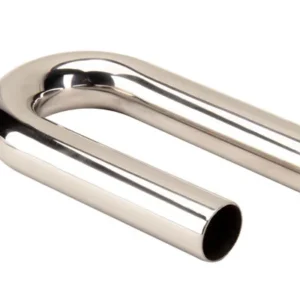
Buttweld J Pipe Bend
A Buttweld J Pipe Bend is a specially configured pipe bend with a J-shaped profile. Depending on the design, it may be used to route piping around obstacles, accommodate equipment connections or meet specific layout requirements.
The butt-welding ends allow the component to be connected to compatible pipe sections through welded joints. The precise shape, dimensions and orientation should be defined in the engineering drawing or project specification.
Because J-shaped bends can vary by application, buyers should confirm the required geometry with the design engineer rather than assume that all products share standard dimensions.
J Type Pipe Bend
A J Type Pipe Bend is used where a pipeline needs a particular curved or offset arrangement. Its suitability depends on the intended function, available installation space and connections to adjoining equipment or pipework.
Before ordering, project teams should confirm the overall length, bend angle, centreline radius, end preparation and required pipe dimensions. These details help ensure the component fits the planned piping arrangement.
A properly specified J Type Pipe Bend can help simplify pipeline routing when a standard elbow or conventional bend does not meet the design requirements.
Butt Weld J Bend
A Butt Weld J Bend connects to adjoining pipe sections through butt-weld joints. The ends are prepared to match the specified pipe dimensions, and the joint is completed using an appropriate welding procedure.
Reliable installation requires correct alignment, suitable material compatibility and compliance with the applicable welding and inspection requirements. For pressure-containing systems, the finished connection must meet the relevant engineering code and project specifications.
Buyers should provide detailed drawings and technical requirements when a specialised bend is needed.
Industrial J Pipe Bend
An Industrial J Pipe Bend may be specified for industrial piping layouts that require a particular change in direction or offset. Depending on the engineering design, specialised bends can be used in manufacturing facilities, process plants, utility systems and other industrial installations.
Important selection factors include:
-
Pipe diameter and wall thickness
-
Required bend shape and dimensions
-
Material grade and service environment
-
Design pressure and temperature
-
Connection and welding requirements
-
Applicable manufacturing standards
-
Inspection and certification requirements
The correct component should be selected according to the actual application and approved design.
Custom J Pipe Bend
A Custom J Pipe Bend may be required when a standard fitting cannot meet the project’s dimensions or routing requirements. Custom manufacturing generally depends on the approved drawing, material specification and manufacturing capability.
Buyers should provide a dimensional drawing that identifies the bend profile, end-to-end dimensions, angles, radius and connection details. Material grade, wall thickness and applicable tolerances should also be stated.
Clear specifications help reduce design misunderstandings and support accurate manufacturing and installation.
Carbon Steel J Pipe Bend
A Carbon Steel J Pipe Bend may be suitable for industrial piping systems where carbon steel meets the design requirements. The appropriate grade depends on the operating environment, pressure, temperature and applicable piping code.
Carbon steel components may require corrosion protection depending on the fluid and external environment. Buyers should verify the exact material grade, dimensions and any testing or documentation requirements before ordering.
The selected material must be compatible with the adjoining pipes and the intended welding procedure.
Stainless Steel J Pipe Bend
A Stainless Steel J Pipe Bend may be considered for applications that require corrosion resistance or compatibility with specific process fluids. The suitable grade depends on chemical exposure, temperature, cleaning requirements and other service conditions.
Buyers should specify the required stainless steel grade rather than relying on the general material category. Dimensional requirements, manufacturing controls, welding compatibility and inspection documentation should also be confirmed.
Correct material selection supports the intended performance of the piping assembly.
Alloy Steel J Pipe Bend
An Alloy Steel J Pipe Bend may be specified when the project requires particular mechanical properties or temperature-related performance. The appropriate alloy grade must be selected according to the approved engineering specification.
Depending on the material and application, requirements may include heat treatment, mechanical testing, chemical composition verification and traceability documentation. Welding procedures must also be suitable for the selected grade.
Confirming these requirements before procurement helps ensure that the component aligns with the overall piping design.
Pipeline J Bend
A Pipeline J Bend can help accommodate a specialised pipeline route where a defined bend shape is required. Its suitability depends on the pipeline’s function, fluid characteristics, operating conditions and installation constraints.
For critical pipeline systems, the design team should evaluate stress, wall thickness, material properties, connection geometry and inspection requirements. If the pipeline uses cleaning or inspection pigs, compatibility with the intended equipment should also be verified.
The final bend geometry should be documented clearly before fabrication or installation.
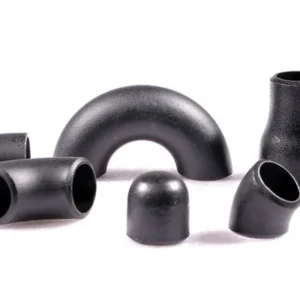
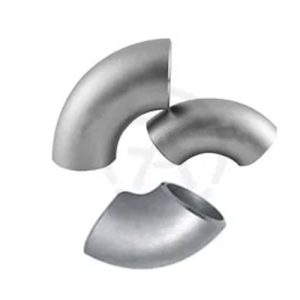
Buttweld Pipe Bend
A Buttweld Pipe Bend is a broader category of pipe fitting used to change pipeline direction through a welded connection. J-shaped bends are specialised configurations within the broader range of fabricated or formed pipe bends.
The appropriate bend type depends on the required geometry, available space, pipe dimensions and engineering design. A standard elbow may be suitable for a simple directional change, while a custom bend may be necessary for a more complex arrangement.
Buyers should provide complete technical details to ensure the requested component matches the intended application.
How to Select the Right Buttweld J Pipe Bend
Before purchasing a Buttweld J Pipe Bend, confirm the following requirements:
-
Dimensions: Specify pipe size, wall thickness and overall measurements.
-
Geometry: Provide the J-shaped profile, angles and bend radius.
-
Material: Identify the required material grade.
-
Operating conditions: Confirm pressure, temperature and service environment.
-
Standards: State the applicable manufacturing and piping standards.
-
Welding: Specify end preparation and relevant welding requirements.
-
Inspection: Identify required testing, certificates and dimensional checks.
-
Quantity: Confirm the number of components and delivery schedule.
A complete specification makes it easier to evaluate product suitability and reduce the risk of incorrect dimensions or materials.
Why Choose Masiva Metals?
Masiva Metals supports industrial procurement requirements for piping components. For specialised products such as a Buttweld J Pipe Bend, accurate technical information is particularly important because the geometry may vary from one project to another.
When enquiring, provide the required dimensions, material grade, wall thickness, bend configuration, applicable standard and quantity. Include an engineering drawing whenever possible, along with any inspection and documentation requirements.
Visit Masiva Metals to discuss your piping component requirements and enquire about suitable solutions for your project.
Frequently Asked Questions
What is a Buttweld J Pipe Bend?
It is a J-shaped pipe bend designed for a particular piping arrangement. Its dimensions and application depend on the engineering design.
Where are J Pipe Bends used?
They may be used in industrial piping layouts where a specialised directional change, offset or equipment connection is required.
Which materials are used to manufacture J Pipe Bends?
Material options depend on the project and supplier’s capabilities. Carbon steel, stainless steel and alloy steel may be considered when appropriate to the service conditions.
Can a J Pipe Bend be custom manufactured?
Custom manufacturing may be possible when supported by an approved drawing, material specification and agreed manufacturing requirements.
What details are needed to order a J Pipe Bend?
Provide the pipe size, wall thickness, bend geometry, material grade, connection details, applicable standards, quantity and required documentation.
How is a Buttweld J Pipe Bend installed?
It is aligned with compatible pipe sections and connected using an appropriate approved welding procedure. Inspection should follow the applicable project requirements.
Conclusion
A Buttweld J Pipe Bend can support specialised piping layouts where a particular bend profile is required. Correct selection depends on dimensions, geometry, material grade, operating conditions and installation requirements.
For project-specific applications, provide a clear drawing and complete technical specifications before procurement. Contact Masiva Metals to discuss your Buttweld J Pipe Bend requirements and explore suitable industrial piping components.