Description
Industrial piping systems require fittings that help connect pipes of different diameters while supporting efficient flow and practical installation. A Buttweld Eccentric Reducer is a specialised pipe fitting designed to join a larger pipe to a smaller pipe while keeping one side of the fitting flat. This configuration makes it useful in piping layouts where maintaining a consistent pipe elevation or reducing the risk of liquid accumulation is important.
Masiva Metals provides industrial piping components for projects that require suitable materials, dimensions and manufacturing standards. Selecting the right reducer depends on the operating conditions, pipe specifications and requirements of the overall piping system.
Buttweld Eccentric Reducer
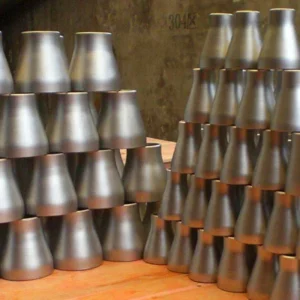
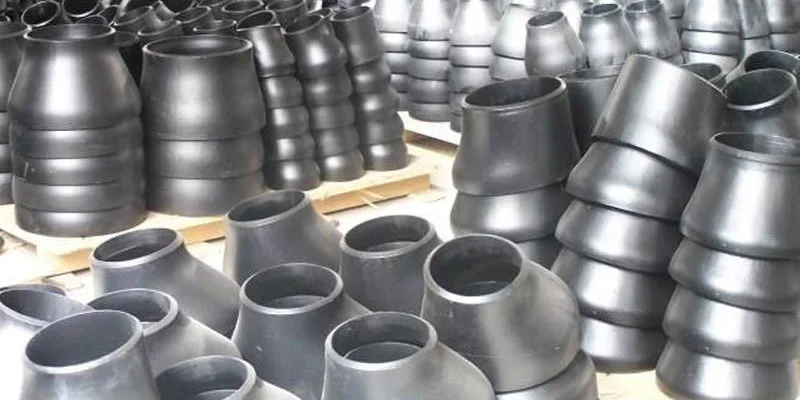
A Buttweld Eccentric Reducer is a pipe fitting with two ends of different diameters and an offset centreline. Unlike a concentric reducer, which has a symmetrical cone shape, an eccentric reducer has one flat side. This design allows the fitting to reduce pipe size without changing the alignment of one side of the pipeline.
These fittings are commonly considered for industrial applications where flow conditions, equipment connections and pipe positioning must be carefully managed. The correct design should be selected according to the pipeline’s orientation, fluid properties and engineering requirements.
Eccentric Reducer Pipe Fitting
An Eccentric Reducer Pipe Fitting connects pipes of different nominal diameters through a butt-weld connection. The ends are prepared for welding, creating a permanent joint when installed using an appropriate welding procedure.
The fitting must match the connected pipes in terms of diameter, wall thickness, material compatibility and applicable dimensional requirements. Proper fit-up and welding are essential to maintain joint integrity and support the reliability of the piping system.
Before ordering, buyers should confirm the larger and smaller pipe sizes, material grade, schedule or wall thickness, and required inspection documentation.
Butt Weld Eccentric Reducer
A Butt Weld Eccentric Reducer is installed by aligning its prepared ends with the adjoining pipes and welding the joints. This connection method is widely used in fabricated piping systems where permanent connections are preferred.
The butt-weld design can provide a continuous internal flow path when the components are correctly selected and installed. However, final performance depends on design conditions, welding quality, material suitability and compliance with the applicable piping code.
Project teams should check the reducer dimensions and welding-end preparation before fabrication or installation to minimise alignment issues and rework.
Industrial Eccentric Reducer
An Industrial Eccentric Reducer may be specified for manufacturing plants, process facilities, utility networks and other industrial piping applications. Its offset design can help address layout requirements that a concentric reducer may not satisfy.
Typical selection considerations include:
-
Pipe diameter reduction required
-
Pipeline orientation and installation space
-
Fluid type and operating conditions
-
Pressure and temperature requirements
-
Material compatibility and corrosion considerations
-
Applicable piping standards and inspection requirements
Choosing a reducer based on the complete operating environment helps engineers create a piping arrangement that meets the project’s technical requirements.
Stainless Steel Eccentric Reducer
A Stainless Steel Eccentric Reducer may be suitable for applications that require corrosion resistance and compatibility with particular process fluids. The appropriate stainless steel grade depends on the fluid composition, temperature, cleaning conditions and surrounding environment.
Buyers should verify the grade and material specifications rather than relying on the general term “stainless steel.” Where required, material test certificates and traceability documentation should also be included in the purchase specification.
A suitable stainless steel fitting can support long-term service when its material grade, fabrication and installation meet the demands of the application.
Carbon Steel Eccentric Reducer
A Carbon Steel Eccentric Reducer is considered for many industrial piping systems where carbon steel is appropriate for the operating conditions. Its suitability depends on the required strength, pressure and temperature ratings, corrosion protection strategy and applicable engineering code.
When selecting carbon steel fittings, buyers should confirm the specified grade, wall thickness, dimensions and required testing. The material must be compatible with the connected pipes and the service environment.
Correct specification and installation are important for achieving a reliable connection and supporting the intended service life of the pipeline.
Alloy Steel Eccentric Reducer
An Alloy Steel Eccentric Reducer may be used in applications where the specified alloy composition is required to meet particular mechanical or temperature-related demands. The exact grade should be selected by the project engineer according to the design conditions and governing standards.
Important details include material designation, heat treatment requirements where applicable, dimensions, wall thickness and documentation. Buyers should also ensure that the welding procedure and any required post-weld treatment are suitable for the specified material.
Material selection should always follow the approved engineering specification rather than assumptions based solely on the fitting type.
Seamless Eccentric Reducer
A Seamless Eccentric Reducer is manufactured without a longitudinal welded seam in the reducer body. Depending on the manufacturing method and specification, seamless construction may be required for certain piping applications.
The term “seamless” alone does not establish the pressure rating or suitability of a fitting. Dimensions, material grade, manufacturing requirements, testing and applicable standards must all be verified against the project specification.
When requesting a quotation, buyers should clearly state whether seamless construction is mandatory and identify any required inspection or certification documents.
ASME B16.9 Eccentric Reducer
An ASME B16.9 Eccentric Reducer is specified with reference to the ASME standard for factory-made wrought buttwelding fittings. The relevant standard and edition should be confirmed for the project, along with the required size range, material specification and wall thickness.
A standards reference should not replace a complete technical specification. Buyers and engineers should verify that the fitting meets all applicable requirements for dimensions, material, manufacturing and inspection.
For critical piping systems, the selected component should also be checked against the governing piping code and project documentation.
Eccentric Pipe Reducer Fitting: Selection Factors
Choosing an Eccentric Pipe Reducer Fitting requires more than identifying the two pipe diameters. The fitting must suit the pipeline’s physical layout and operating conditions.
Consider the following factors before purchasing:
-
Size: Confirm the large-end and small-end nominal pipe sizes.
-
Wall thickness: Match the specified schedule or required thickness.
-
Material: Select a grade compatible with the process fluid and operating environment.
-
Pressure and temperature: Check the design conditions and applicable ratings.
-
Orientation: Determine whether the flat side should be installed at the top or bottom based on the system design.
-
Standards: Confirm the required dimensional and material specifications.
-
Inspection: Identify testing, certification and traceability requirements.
-
Installation: Ensure that welding preparation and installation procedures are suitable for the selected fitting.
These checks help reduce procurement errors and support proper integration with the existing piping network.
Applications of Buttweld Eccentric Reducers
Buttweld Eccentric Reducers can be specified for a range of industrial systems where pipe size transitions and offset geometry are required. Potential applications include process piping, water and utility systems, industrial manufacturing facilities, power-related installations and selected chemical processing systems.
The flat side may be oriented to address different engineering needs. For example, certain horizontal liquid lines may use a flat-bottom arrangement to help avoid the formation of a low pocket, while other applications may require a different orientation. The correct choice depends on the fluid, flow conditions, equipment arrangement and engineering design.
An eccentric reducer should not be selected solely on the basis of its general application category. Confirm its suitability for the specific operating conditions and installation requirements.
Why Choose Masiva Metals?
Masiva Metals supports industrial procurement needs by helping buyers identify piping components according to their project specifications. When sourcing a Buttweld Eccentric Reducer, it is useful to provide complete technical details so that the requested product can be evaluated accurately.
Before placing an order, share the following information:
-
Required reducer type and end sizes
-
Material grade
-
Wall thickness or schedule
-
Applicable standard
-
Required quantity
-
Operating pressure and temperature, where relevant
-
Inspection and documentation requirements
-
Delivery and project requirements
Providing this information helps streamline the quotation process and reduces the likelihood of specification mismatches.
Visit Masiva Metals to enquire about industrial piping components and discuss your project requirements.
Frequently Asked Questions
What is a Buttweld Eccentric Reducer used for?
It connects pipes of different diameters while maintaining an offset configuration with one flat side. It is used where pipeline geometry and flow-management requirements call for an eccentric rather than a concentric reducer.
What is the difference between an eccentric and a concentric reducer?
A concentric reducer has a symmetrical shape and a common centreline, while an eccentric reducer has an offset shape with one flat side. The appropriate type depends on the piping layout and engineering requirements.
Which materials are available for eccentric reducers?
Material options may include carbon steel, stainless steel and alloy steel, subject to the supplier’s offering and the project’s specifications. The exact grade should be confirmed before ordering.
What information is required to order an eccentric reducer?
Provide the end sizes, material grade, wall thickness or schedule, applicable standard, quantity and any required inspection documentation. Operating conditions may also be needed to verify suitability.
How do I select the correct eccentric reducer orientation?
The orientation depends on the pipeline arrangement, fluid behaviour, drainage or venting needs and connected equipment. Follow the approved piping design and consult the responsible engineer where necessary.
Are Buttweld Eccentric Reducers available to ASME B16.9?
They may be specified to ASME B16.9 when the fitting, material and project requirements align with the applicable standard. Confirm the required standard edition and full technical specification with the supplier.
Conclusion
A Buttweld Eccentric Reducer is an important component in piping systems that need to transition between different pipe sizes while accommodating an offset layout. Material grade, dimensions, wall thickness, standards and installation orientation all influence product selection.
For industrial projects, clear specifications and appropriate engineering checks help ensure that the selected reducer meets the system’s requirements. Contact Masiva Metals to discuss your Buttweld Eccentric Reducer requirements and explore suitable piping component options.