Description
Industrial piping networks require dependable components to connect pipes, change flow direction, create branch connections and accommodate different pipe diameters. Welded Pipe Fittings play an important role in building these systems by creating permanent connections designed to meet specific engineering requirements.
From manufacturing facilities to process plants and infrastructure projects, welded fittings are selected according to pipe dimensions, material grades, operating conditions and applicable standards. Masiva Metals supports industrial piping procurement by helping buyers identify suitable components for their project specifications.
Welded Pipe Fittings
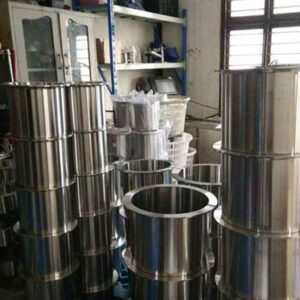
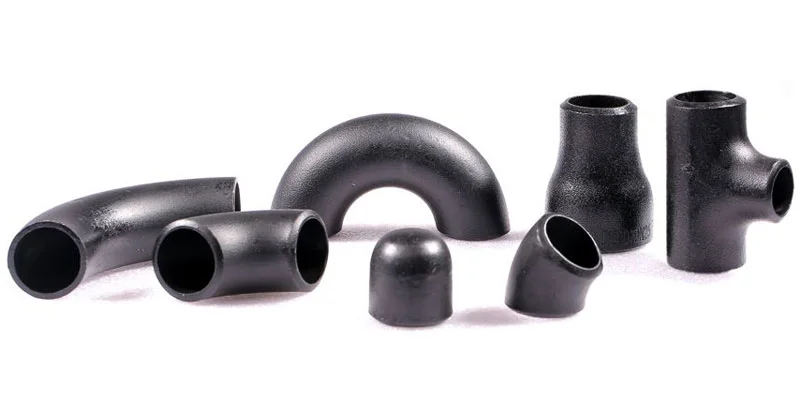
Welded Pipe Fittings are components connected to piping systems through welding. Depending on their design, they can change the direction of flow, connect branches, reduce pipe size or close pipe ends.
Common types include elbows, tees, reducers, caps, bends and other specialised fittings. Each type performs a different function, so selecting the correct configuration is essential for a properly designed piping system.
When sourcing welded fittings, buyers should confirm the nominal pipe size, wall thickness, material grade, fitting dimensions, manufacturing standard and inspection requirements. These details help ensure compatibility with adjoining pipes and the intended operating environment.
Industrial Welded Pipe Fittings
Industrial Welded Pipe Fittings are used in a wide range of industrial installations where reliable pipe connections and appropriate flow routing are required. Their specifications vary according to the industry, process fluid and design conditions.
Potential applications include manufacturing plants, power facilities, petrochemical installations, water treatment systems and industrial utility networks.
Important selection factors include:
-
Pipe diameter and wall thickness
-
Operating pressure and temperature
-
Fluid characteristics and corrosion conditions
-
Required fitting geometry
-
Material compatibility
-
Applicable engineering standards
-
Welding and inspection requirements
A fitting should always be selected according to the system’s technical specification rather than appearance or nominal size alone.
Butt Weld Pipe Fittings
Butt Weld Pipe Fittings have prepared ends that are joined to adjoining pipes through butt welding. This connection method is commonly used in industrial piping systems where permanent joints are required.
The fitting and pipe ends must be compatible in size, wall thickness and material. Proper alignment, joint preparation and an approved welding procedure are essential to achieving the required connection quality.
Depending on the application and governing code, inspection may include visual examination, dimensional verification and specified non-destructive testing. The inspection plan should be established according to the project’s requirements.
Stainless Steel Welded Pipe Fittings
Stainless Steel Welded Pipe Fittings may be specified for applications that require corrosion resistance or compatibility with particular process fluids. Their suitability depends on the stainless steel grade, temperature, chemical exposure and operating environment.
Different grades have different properties, so buyers should specify the exact material designation. It is also important to confirm wall thickness, dimensions, welding compatibility and required documentation.
In demanding applications, material traceability and appropriate inspection can help verify that the selected fitting meets the project specification.
Carbon Steel Welded Pipe Fittings
Carbon Steel Welded Pipe Fittings are used in many industrial piping systems where carbon steel meets the required mechanical and operating conditions. Applications depend on the material grade, pressure, temperature and corrosion-management requirements.
When selecting carbon steel fittings, buyers should confirm the specified grade, wall thickness, dimensional requirements and applicable standard. Protective coatings or other corrosion-control measures may be required in certain environments.
The material must be compatible with the adjoining pipework and the intended service conditions.
Alloy Steel Welded Pipe Fittings
Alloy Steel Welded Pipe Fittings may be required when a project specifies particular mechanical properties or temperature-related performance. The appropriate alloy grade depends on the design conditions and engineering specification.
Depending on the material and application, additional requirements may include heat treatment, chemical composition verification, mechanical testing and material certification.
Buyers should also confirm the applicable welding procedure and any required post-weld treatment. These considerations are especially important for specialised or demanding piping services.
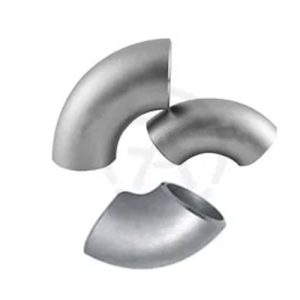
Welded Pipe Elbow
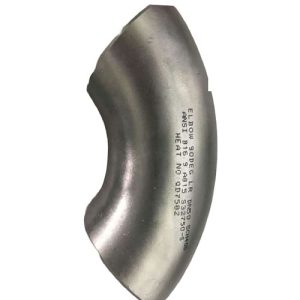
A Welded Pipe Elbow changes the direction of flow within a piping system. Elbows are commonly specified by their turning angle, such as 45 degrees or 90 degrees, while other configurations may be available for particular applications.
The required elbow depends on the pipeline layout, available space, pipe diameter and flow requirements. Buyers should confirm the centreline radius, wall thickness, material grade and dimensional standard.
Correct elbow selection helps ensure that the piping arrangement matches the intended design and installation constraints.
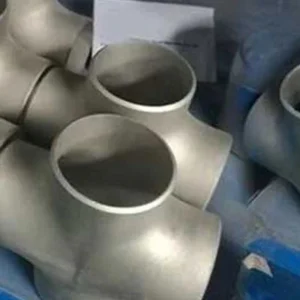
Welded Pipe Tee
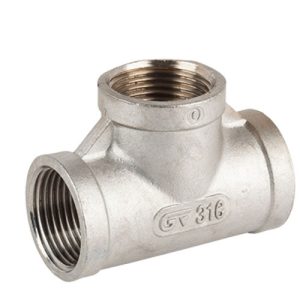
A Welded Pipe Tee provides a branch connection from a main pipeline. Depending on its configuration, it can connect pipes of equal or different diameters.
Equal tees have branch and run connections of the same nominal size, while reducing tees have a smaller branch connection. The appropriate design depends on the required flow arrangement and pipe dimensions.
Before ordering, confirm the run size, branch size, material grade, wall thickness and applicable standards. The tee must also meet the system’s pressure, temperature and service requirements.
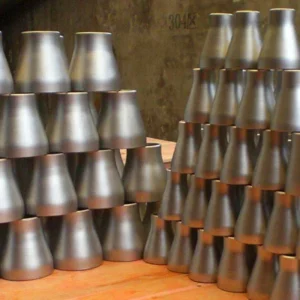
Welded Pipe Reducer
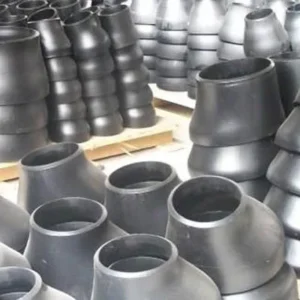
A Welded Pipe Reducer connects pipes of different diameters. It allows a piping system to transition between a larger and smaller pipe while maintaining the intended connection arrangement.
Two common configurations are concentric reducers, which have a symmetrical shape, and eccentric reducers, which have an offset shape. The appropriate type depends on the pipeline orientation, fluid behaviour and engineering design.
Buyers should specify both end sizes, wall thickness, material grade and required reducer type. The selection should be checked against the applicable dimensional and piping requirements.
Welded Pipe Fittings Supplier
When evaluating a Welded Pipe Fittings Supplier, buyers should consider the supplier’s ability to address the project’s technical requirements, product specifications and documentation needs.
Before requesting a quotation, prepare the following details:
-
Fitting type and dimensions
-
Material grade
-
Wall thickness or pipe schedule
-
Applicable manufacturing standard
-
Required quantity
-
Operating conditions, where relevant
-
Inspection and certification requirements
-
Delivery schedule
Clear specifications help suppliers evaluate the request accurately and reduce the likelihood of receiving components that do not match the intended design.
Benefits of Welded Pipe Fittings
Welded Pipe Fittings offer several potential advantages when selected and installed correctly.
Permanent connections: Welding creates a fixed connection between the fitting and the adjoining pipe.
Flexible configurations: Different fittings support directional changes, branch connections, diameter transitions and pipe-end closures.
Application-specific materials: Material options can be selected according to the operating environment and project specification.
Design compatibility: Correctly specified fittings can be integrated into engineered piping layouts.
Broad industrial use: Welded fittings are suitable for many types of industrial and infrastructure piping systems, subject to their material ratings and design requirements.
The actual performance of a fitting depends on its design, manufacturing quality, material, installation and service conditions.
How to Select the Right Welded Pipe Fittings
Choosing the right Welded Pipe Fittings begins with understanding the complete piping requirement.
Confirm the fitting type: Identify whether the system needs an elbow, tee, reducer, cap, bend or another component.
Check the dimensions: Specify nominal pipe size, end dimensions and wall thickness.
Select the material: Confirm the material grade based on the fluid, pressure, temperature and corrosion conditions.
Verify the standard: Identify the applicable dimensional and material specifications.
Review welding requirements: Confirm end preparation and applicable welding procedures.
Specify inspection: Identify required testing, certification and traceability documents.
Confirm quantities: Provide the number of fittings required and the project delivery schedule.
These checks help ensure that the selected components are compatible with the piping system.
Applications of Welded Pipe Fittings
Welded Pipe Fittings may be used in numerous industries, including:
-
Oil and gas: Pipeline routing and process connections.
-
Petrochemical facilities: Process piping and equipment connections.
-
Power generation: Industrial utility and process systems.
-
Water treatment: Water distribution and treatment infrastructure.
-
Manufacturing: Production lines and plant utility networks.
-
Chemical processing: Piping designed for specified fluids and operating conditions.
Each application has its own requirements. The selected fitting must meet the relevant design code, material specification and service conditions.
Why Choose Masiva Metals?
Masiva Metals supports industrial piping procurement by helping buyers identify components according to their technical requirements. For welded fittings, accurate product specifications are essential because different fitting types, sizes and materials serve different purposes.
When enquiring about Welded Pipe Fittings, provide the required fitting type, material grade, dimensions, wall thickness, applicable standard and quantity. Include drawings and inspection requirements where relevant.
Visit Masiva Metals to enquire about welded pipe fittings and discuss your industrial piping requirements.
Frequently Asked Questions
What are Welded Pipe Fittings?
Welded Pipe Fittings are components connected to pipes through welding. They are used to change flow direction, create branches, connect different pipe sizes or close pipe ends.
What are the common types of welded pipe fittings?
Common types include elbows, tees, reducers, caps and bends. Specialised configurations may be available according to project requirements.
Which materials are used for welded pipe fittings?
Depending on the application, materials may include carbon steel, stainless steel and alloy steel. The exact grade must be selected according to the service conditions and project specification.
What is the difference between butt-weld and threaded fittings?
Butt-weld fittings connect to pipes through welded joints, while threaded fittings connect through matching threads. The appropriate connection depends on the system design, operating conditions and applicable code.
What information is required to order welded pipe fittings?
Provide the fitting type, pipe size, wall thickness, material grade, applicable standard, quantity and any required inspection or certification details.
Where are welded pipe fittings used?
They are used in industrial process piping, manufacturing facilities, power systems, water treatment plants and other engineered piping installations.
Conclusion
Welded Pipe Fittings are essential components for creating functional industrial piping systems. Selecting the right fitting requires careful consideration of dimensions, material grade, connection type, applicable standards and operating conditions.
By providing complete technical specifications and verifying compatibility with the piping design, buyers can make more informed procurement decisions. Contact Masiva Metals to discuss your Welded Pipe Fittings requirements and explore suitable industrial piping solutions.