
Description
Tongue and Groove Flanges: Features, Applications, Materials and Selection Guide
Tongue and Groove Flanges are used in piping systems where a properly designed flange connection and compatible gasket arrangement are important for assembly and sealing. Their facing design incorporates a raised tongue on one flange and a corresponding groove on the mating flange. When correctly selected and assembled, this arrangement helps locate the gasket and align the mating faces. These flanges may be considered for industrial piping applications depending on the service conditions, design requirements, applicable standards and project specifications. Masiva Metals can be contacted to discuss product requirements, dimensions, materials and sourcing options for piping projects.
Tongue and Groove Flanges
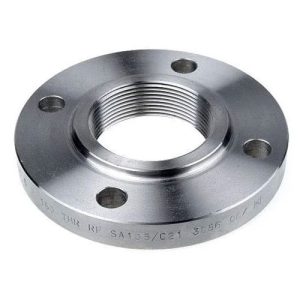
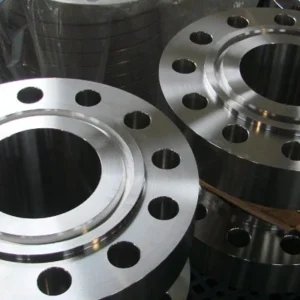
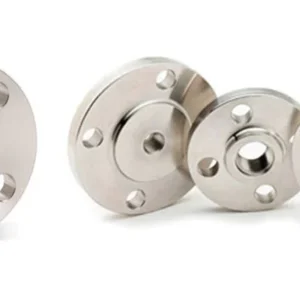
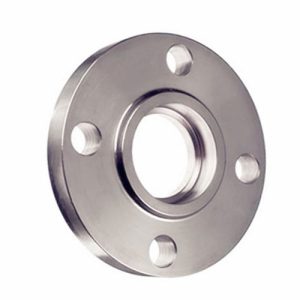
Tongue and Groove Flanges have complementary raised and recessed facing profiles. The tongue fits into the groove of the mating flange, helping position the joint components during assembly. The exact design, dimensions and gasket arrangement must be compatible with the intended application.
Key points to consider include:
- Facing compatibility: The tongue and groove profiles must match the corresponding flange design.
- Gasket selection: Gasket material, thickness and dimensions should suit the process fluid, temperature, pressure and flange geometry.
- Material selection: The flange material should meet the project’s mechanical, corrosion-resistance and operating requirements.
- Dimensional accuracy: Flange dimensions and facing details should be verified against approved drawings and specifications.
- Joint assembly: Bolting, alignment and tightening procedures should follow the applicable engineering requirements.
Tongue and groove facing is not interchangeable with every other flange facing. Confirm compatibility before ordering or assembling a connection.
Tongue and Groove Pipe Flanges
Tongue and Groove Pipe Flanges provide a connection between compatible piping components, valves, equipment or other flanged assemblies. Their use depends on the piping design and the requirements of the service.
Before selecting Tongue and Groove Pipe Flanges, project teams should review the nominal pipe size, flange dimensions, pressure-temperature rating, facing profile, bolt-hole arrangement and material specification. These details help ensure that the proposed components match the adjoining equipment.
Important considerations include:
- Confirm the required nominal size and flange dimensions.
- Check the specified pressure class or rating and temperature limits.
- Verify the flange facing and mating component details.
- Review gasket requirements and process-fluid compatibility.
- Confirm applicable design standards and inspection documentation.
A flange should not be selected solely by its nominal size. All relevant dimensions and service conditions must be checked together.
Tongue and Groove Steel Flanges
Tongue and Groove Steel Flanges may be considered for industrial systems where steel construction is specified by the engineering design. The appropriate steel grade depends on operating pressure, temperature, mechanical loads, corrosion exposure and the type of fluid being transported.
When reviewing steel flange options, buyers should verify the material designation, applicable product standard, manufacturing requirements and inspection records. Material suitability should be established for the actual service rather than assumed from the general description of the product.
A practical purchasing checklist includes:
- Required steel grade and material specification.
- Flange size, thickness and facing dimensions.
- Pressure-temperature design requirements.
- Applicable manufacturing and testing standards.
- Traceability and documentation requirements.
- Surface condition, storage and transportation arrangements.
Masiva Metals can be contacted to discuss project specifications and confirm which product details are available for the required application.
Stainless Steel Tongue and Groove Flanges
Stainless Steel Tongue and Groove Flanges may be specified for services where corrosion resistance is an important design consideration. However, stainless steel is not universally resistant to every chemical, concentration or operating environment. Grade selection should account for the process medium, temperature, cleaning chemicals and possible corrosion mechanisms.
Before specifying Stainless Steel Tongue and Groove Flanges, engineers and procurement teams should confirm the required grade and its compatibility with the mating components. Mixing dissimilar materials may also require consideration of galvanic corrosion and other service-related factors.
Selection factors include:
- Chemical composition and specified stainless steel grade.
- Exposure to chlorides, acids or other potentially corrosive substances.
- Operating and cleaning temperatures.
- Required mechanical properties.
- Gasket and mating-flange compatibility.
- Applicable quality and material documentation.
Final suitability should be established through the project’s engineering review and relevant material data.
Carbon Steel Tongue and Groove Flanges
Carbon Steel Tongue and Groove Flanges may be suitable for piping systems designed around carbon steel components. Their suitability depends on the specified grade, operating conditions, corrosion allowance and any required protective measures.
For applications involving water, oil, gas or industrial process fluids, the flange material must be checked against the system’s design conditions and applicable codes. External coating or other corrosion protection may be required in certain environments, but the choice should follow the project specification.
When sourcing Carbon Steel Tongue and Groove Flanges, review:
- Material grade and required mechanical properties.
- Design pressure and temperature.
- Internal and external corrosion risks.
- Facing dimensions and flange thickness.
- Applicable manufacturing standards.
- Required certificates and inspection documentation.
A qualified piping or materials engineer should confirm that the selected grade is appropriate for the intended service.
Industrial Tongue and Groove Flanges
Industrial Tongue and Groove Flanges can be evaluated for engineered piping assemblies where their facing configuration is specified. Potential applications may include process piping, industrial utilities and equipment connections, subject to the system design and applicable requirements.
The actual suitability of a flange depends on more than its facing style. Pressure, temperature, vibration, external loads, fluid compatibility and maintenance conditions all affect the design of a flanged joint.
Industrial buyers should establish a clear technical specification before requesting a quotation. It should identify the required quantity, dimensions, material, rating, facing type and delivery requirements. If the flange will be used in a regulated or critical service, the applicable design code and documentation requirements should also be stated.
Good specification practices help reduce mismatches, avoid unnecessary procurement delays and support consistent quality across the piping system.
High Pressure Tongue and Groove Flanges
High Pressure Tongue and Groove Flanges must be selected according to the pressure-temperature requirements and design rules applicable to the complete piping system. The tongue and groove facing alone does not establish a pressure rating or guarantee leak-free performance.
Engineers should verify the flange rating, material strength, dimensions, bolt and gasket requirements, and the design of the mating components. The complete joint must be suitable for the expected operating conditions, including any pressure fluctuations or temperature cycling.
Before ordering, confirm:
- Design and operating pressure.
- Minimum and maximum operating temperature.
- Applicable flange standard and pressure class.
- Required material grade and mechanical properties.
- Gasket design and bolting specifications.
- Inspection, testing and documentation requirements.
Never assume that a flange is suitable for high-pressure service based only on its product name. Confirm its rated application through approved technical documentation.
Tongue and Groove Flange Types
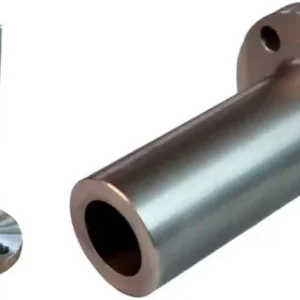
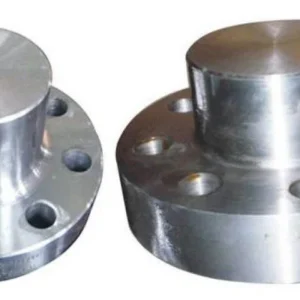
Tongue and groove flange configurations should be identified by their facing profile, dimensions, material and applicable product specification. Buyers may encounter different flange styles within a project, but the mating profiles must be designed to work together.
A tongue-facing flange has a projecting section, while the corresponding groove-facing flange has a recessed section. These complementary surfaces help position the joint’s gasket arrangement. The exact geometry and gasket design should be confirmed from the relevant drawings or standards.
When comparing Tongue and Groove Flange Types, review:
- Tongue and groove dimensions.
- Nominal pipe size and flange thickness.
- Pressure class or rating.
- Material and manufacturing specification.
- Gasket type and compatibility.
- Mating flange and equipment details.
Do not assume that a tongue-and-groove flange will directly replace a raised-face, flat-face or other facing design. Any proposed substitution requires engineering approval.
Tongue and Groove Flanges Manufacturer
When evaluating a Tongue and Groove Flanges Manufacturer, procurement teams should prioritize technical conformity, clear communication and the ability to address the project’s documentation requirements. A manufacturer’s suitability should be assessed using verifiable information rather than unsupported claims.
Before placing an order, provide the required dimensions, material specification, pressure rating, facing details and relevant standards. Ask for confirmation of the proposed product’s conformity with the submitted requirements.
A supplier evaluation may include:
- Review of technical drawings and product specifications.
- Verification of material grades and traceability requirements.
- Confirmation of inspection and testing arrangements.
- Review of dimensional tolerances and quality documentation.
- Confirmation of quantities, packaging and delivery terms.
- Clarification of any deviations from the project specification.
Masiva Metals can be contacted through its website to discuss Tongue and Groove Flanges requirements and determine the appropriate next steps for a project enquiry.
Tongue and Groove Flanges Supplier
A Tongue and Groove Flanges Supplier should be able to understand the required flange configuration and the documentation expected for the order. Clear specifications help both the buyer and supplier confirm whether the proposed product matches the application.
When requesting a quotation, include the flange size, material grade, facing type, applicable standard, quantity and destination. Attach drawings or datasheets when available. If the project has special inspection, marking, packing or certification requirements, state them at the enquiry stage.
Procurement teams should also confirm lead time, order quantities, shipping arrangements and document availability before finalizing the purchase. For international sourcing, the quotation should clearly identify the commercial terms and any responsibilities for transportation and import procedures.
Masiva Metals is a point of contact for discussing flange sourcing requirements. Product availability, manufacturing capabilities and compliance with specific standards should be confirmed directly before an order is finalized.
Applications and Selection Considerations
Tongue and Groove Flanges may be used where the piping design specifies matching tongue and groove faces. Their use can be considered in industrial process systems and equipment connections, but the correct application must be established from engineering requirements.
The selection process should begin with the operating conditions and applicable design code. Material, dimensions, facing geometry and gasket selection must then be checked as a compatible set.
For a more reliable procurement process:
- Define the service fluid and operating conditions.
- Confirm design pressure and temperature.
- Specify the material grade and flange standard.
- Verify the tongue and groove dimensions.
- Select a compatible gasket and bolting arrangement.
- Establish inspection, testing and traceability requirements.
- Review the final drawings and documents before installation.
Installation should be performed by qualified personnel using approved procedures. Inspect the mating faces for damage and contamination, verify alignment, and tighten the joint according to the applicable procedure. Avoid forcing misaligned piping into position, as this can introduce unwanted loads into the connection.
Frequently Asked Questions
What are Tongue and Groove Flanges?
Tongue and Groove Flanges are flanges with complementary facing profiles: one has a raised tongue and the mating flange has a corresponding groove. The design helps locate the joint components and gasket arrangement.
Where are Tongue and Groove Pipe Flanges used?
They may be used in industrial piping and equipment connections when specified by the piping design. Suitability depends on pressure, temperature, materials, fluid compatibility and the applicable standards.
Are Stainless Steel Tongue and Groove Flanges corrosion-resistant?
Stainless steel can provide corrosion resistance in suitable environments, but performance depends on the grade and the process conditions. Confirm material compatibility for the actual service.
Can Tongue and Groove Flanges be used for high-pressure applications?
They may be considered when the selected flange, gasket, bolting and complete joint meet the required pressure-temperature design conditions. The facing style by itself does not establish a pressure rating.
What information is needed to request a quotation?
Provide nominal size, material grade, pressure rating, facing dimensions, applicable standard, quantity, delivery destination and any inspection or documentation requirements. Drawings can help clarify project-specific details.
How can I verify flange compatibility?
Check the mating flange profile, dimensions, material requirements, rating, gasket design and applicable engineering specification. Have the proposed combination reviewed before procurement or installation.
Conclusion
Tongue and Groove Flanges should be selected through careful review of the flange facing, dimensions, material, rating and intended operating conditions. Correctly matching the flange, gasket and bolting requirements supports a properly designed piping connection and helps reduce procurement and installation issues.
For Tongue and Groove Flanges enquiries, visit Masiva Metals to discuss your project specifications, sourcing requirements and the technical details that need to be confirmed before ordering.