Description
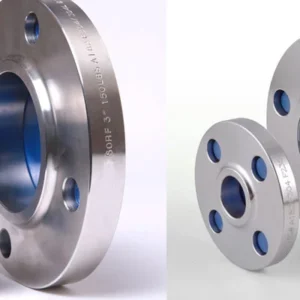
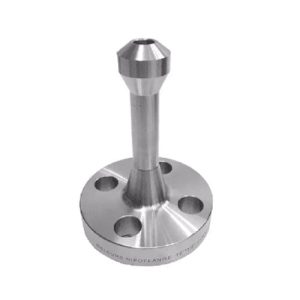
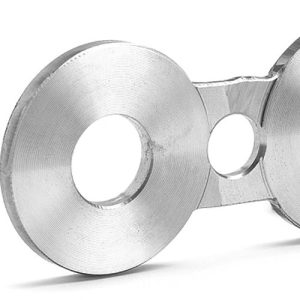
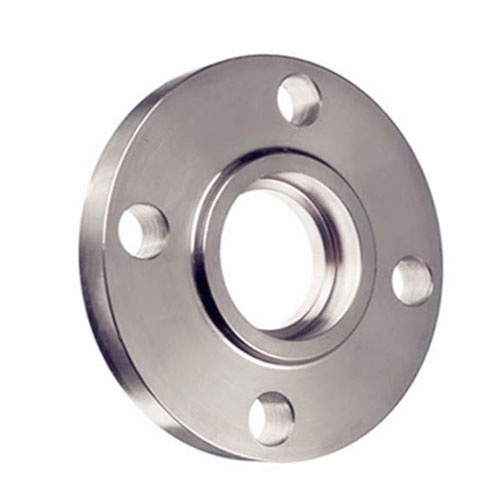
Socket Weld Flanges are used to connect pipes to equipment, valves and other piping components in industrial systems. They feature a recessed socket into which the pipe is inserted before a fillet weld is applied around the outside. This connection design is commonly considered for smaller-diameter piping systems where the project specification permits its use.
Industries such as chemical processing, oil and gas, power generation and general manufacturing use flange connections to support equipment installation, maintenance and piping assembly. Selecting the right Socket Weld Flanges requires attention to material grade, pressure class, dimensions, temperature conditions and applicable standards.
Masiva Metals provides a point of contact for industrial metal and piping product enquiries. Buyers should confirm the required flange specifications and product availability before placing an order.
Socket Weld Flange Supplier
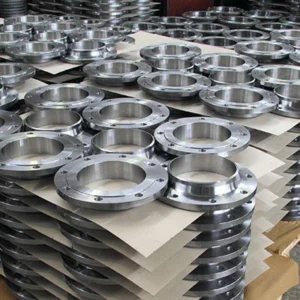
Choosing a reliable Socket Weld Flange Supplier helps buyers source components that match their engineering and procurement requirements. Product selection should be based on the piping design, connection dimensions, material requirements and applicable standards.
When evaluating a supplier, consider:
-
Availability of the required flange sizes and pressure classes.
-
Material options suited to the intended service.
-
Dimensional compatibility with the connected pipe.
-
Applicable manufacturing and dimensional standards.
-
Required material certificates and inspection documentation.
-
Order quantities, packaging and delivery arrangements.
Clear communication of these requirements helps reduce confusion during procurement. Masiva Metals can be contacted through its official website to discuss industrial piping product requirements.
Socket Weld Flange Manufacturer
A Socket Weld Flange Manufacturer produces flanges designed with a socket that accommodates the pipe end. During installation, the pipe is inserted into the socket and secured using a specified welding procedure.
The manufacturing specification may identify the material grade, flange dimensions, pressure class, facing type and applicable standard. These details are important because flanges that appear similar may not be interchangeable.
Before purchasing, buyers should confirm the flange standard and the relevant dimensional requirements with the engineering team. Manufacturing quality, inspection procedures and traceability requirements should also be established for projects where they are specified.
Stainless Steel Socket Weld Flanges
Stainless Steel Socket Weld Flanges may be suitable for applications where corrosion resistance is an important consideration. Their suitability depends on the stainless steel grade, operating temperature, fluid composition and surrounding environment.
These flanges may be considered for selected chemical processing, food-related, pharmaceutical and general industrial piping applications when the selected material meets the required service conditions.
When sourcing stainless steel flanges, check:
-
Required stainless steel grade.
-
Nominal pipe size and flange dimensions.
-
Pressure class and design conditions.
-
Facing and connection requirements.
-
Applicable standards and documentation.
Not every stainless steel grade performs equally in every environment. Material selection should reflect the actual operating conditions and project specifications.
Carbon Steel Socket Weld Flanges
Carbon Steel Socket Weld Flanges are commonly considered for industrial piping systems where the specified carbon steel grade is compatible with the operating environment. They may be used in various utility, manufacturing and process applications.
The correct grade and flange class depend on pressure, temperature, fluid characteristics and the applicable design code. Carbon steel can be vulnerable to corrosion in certain conditions, so the project may require suitable protective measures.
Buyers should confirm the material grade, nominal size, pressure class, facing and dimensional standard before ordering. These details help ensure compatibility with the connected pipework and other system components.
Forged Socket Weld Flanges
Forged Socket Weld Flanges are produced using a forging process and machined to the required flange dimensions. Forged products are often specified for applications where the design calls for particular material properties and a defined manufacturing route.
The suitability of a forged flange still depends on the material grade, dimensions, pressure class, manufacturing standard and service conditions. The word “forged” alone does not establish that a flange is appropriate for every high-pressure application.
For procurement, confirm the required forging specification, heat treatment requirements where applicable, inspection documentation and material traceability. The final selection should follow the project’s engineering requirements.
Industrial Socket Weld Flanges
Industrial Socket Weld Flanges provide a flange connection for suitable piping arrangements. A flanged joint can be disassembled for maintenance, inspection or equipment replacement, unlike a permanently welded pipe connection that must be cut apart to separate.
Applications may include:
-
Industrial utility piping.
-
Selected process piping systems.
-
Equipment and valve connections.
-
Manufacturing plant installations.
-
Piping assemblies designed around compatible flange connections.
Socket weld connections are not suitable for every pipe size or service condition. Designers should consider pressure, temperature, fatigue, corrosion and applicable code requirements before specifying them.
High Pressure Socket Weld Flanges
High Pressure Socket Weld Flanges are selected for systems whose design requirements call for a particular pressure class and flange configuration. The appropriate flange must be evaluated against the system’s design pressure, temperature, material and applicable piping code.
A flange should never be selected based on the term “high pressure” alone. Buyers need to verify the rated class, dimensional standard, material specification and compatibility with the connected pipe and mating flange.
Depending on the application, projects may also require specific inspection, testing and material certification. Consult the responsible engineer when selecting components for critical or demanding services.
ASME Socket Weld Flanges
ASME Socket Weld Flanges are specified according to the applicable ASME flange standard and pressure class. The required standard should be identified in the project’s technical documentation rather than assumed from the general product name.
When purchasing ASME-compliant flanges, check the required size, class, material group, facing, dimensional requirements and relevant documentation. The mating flange, gasket and bolting must also be compatible with the joint design.
Confirm the exact standard and edition required for the project, particularly when working with regulated installations or international supply chains.
Socket Weld Pipe Flanges
Socket Weld Pipe Flanges connect compatible pipes to other flanged components. The socket provides a location for the pipe end, while the external weld secures the pipe to the flange according to the specified welding procedure.
Correct installation requires attention to pipe insertion, joint preparation, weld quality and the applicable installation requirements. The design may also specify inspection or testing after welding.
Before placing an order, verify the nominal pipe size, schedule compatibility, flange dimensions, pressure class and material. Accurate specification helps ensure that the flange matches the intended piping assembly.
How to Choose the Right Socket Weld Flanges
Choosing suitable Socket Weld Flanges involves reviewing the complete application rather than selecting by name alone.
-
Identify the application: Establish the piping service and the operating environment.
-
Confirm the size: Specify the nominal pipe size and required flange dimensions.
-
Select the material: Choose a grade compatible with the fluid, temperature and corrosion exposure.
-
Check the pressure class: Follow the piping design and applicable standard.
-
Confirm the facing: Verify the required facing and compatibility with the mating flange and gasket.
-
Review welding requirements: Follow the specified welding procedure and installation instructions.
-
Check documentation: Identify any material certificates, inspection reports or traceability requirements.
-
Verify compatibility: Ensure the flange, pipe, gasket, bolting and mating components work together as specified.
A complete specification supports more accurate quotations and helps prevent mismatched components during installation.
Socket Weld Flanges vs. Other Flange Types
Socket weld flanges are one of several flange configurations used in piping systems. The right type depends on the design and operating requirements.
Socket weld flanges use a recessed socket to receive the pipe, with a weld applied around the pipe-to-flange connection.
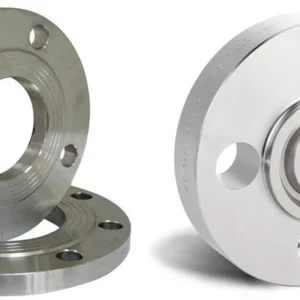
Slip-on flanges fit over the pipe and are generally welded at the specified locations. Their installation and design considerations differ from those of socket weld flanges.
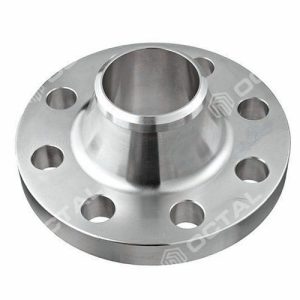
Weld neck flanges connect through a tapered hub designed for butt welding to the pipe. They may be specified where the design calls for that configuration.
Threaded flanges use a threaded connection and may be considered for compatible applications where the design allows them.
These flange types are not universally interchangeable. Selection must follow the applicable code, design conditions and project specification.
Why Choose Masiva Metals for Socket Weld Flanges?
Sourcing industrial flanges requires accurate product details, clear communication and confirmation of technical requirements. Masiva Metals provides a channel for buyers to enquire about industrial metal and piping products.
Before requesting a quotation, prepare the flange size, material grade, pressure class, standard, quantity and delivery destination. Include any inspection or certification requirements that apply to the project.
For product enquiries and availability confirmation, visit Masiva Metals.
Frequently Asked Questions
What are Socket Weld Flanges?
Socket Weld Flanges have a recessed socket designed to receive a pipe end. The pipe is inserted into the socket and joined to the flange using the specified welding procedure.
Where are Socket Weld Flanges used?
They are used in suitable industrial piping systems, including selected process, utility, manufacturing and equipment connections. The application must meet the relevant design and code requirements.
What materials are available for Socket Weld Flanges?
Depending on the supplier and specification, options may include carbon steel, stainless steel and other specified materials. Availability should be confirmed for the required grade and size.
Are Socket Weld Flanges suitable for high-pressure applications?
They may be specified for certain pressure-rated applications, but suitability depends on the flange class, material, pipe size, temperature and applicable design code. The project engineer should verify the selection.
What details are needed to order Socket Weld Flanges?
Provide the nominal size, material grade, pressure class, flange standard, facing, quantity and any required inspection or certification documentation.
How do Socket Weld Flanges differ from Slip-On Flanges?
Socket weld flanges receive the pipe end in a recessed socket, while slip-on flanges fit over the pipe. Their joint designs and installation requirements differ.
How can I enquire about Socket Weld Flanges from Masiva Metals?
Visit Masiva Metals to discuss your requirements and confirm product specifications, availability and delivery arrangements.
Conclusion
Socket Weld Flanges are useful components for compatible industrial piping systems where a socket-type welded connection is specified. Choosing the right flange requires careful attention to material, size, pressure class, facing, welding requirements and applicable standards.
For industrial flange sourcing, prepare the project’s technical specifications before requesting a quotation. Contact Masiva Metals through to discuss your Socket Weld Flanges requirements and confirm suitable product options.