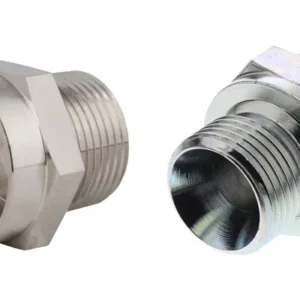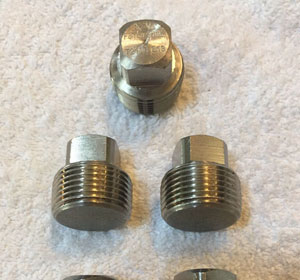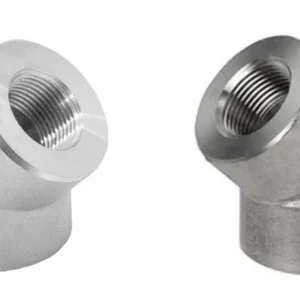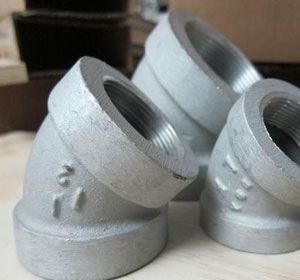
Description
Threaded Full Coupling: Types, Applications, Materials, and Selection Guide
A Threaded Full Coupling is a pipe fitting used to connect two compatible externally threaded pipe ends. It provides a compact connection point in piping systems where threaded joints are suitable for the operating conditions. Industries may use threaded couplings in utility lines, equipment connections, maintenance installations, and other piping applications. Choosing the right coupling requires attention to thread type, size, material, pressure and temperature requirements, applicable standards, and compatibility with the connected pipes. Masiva Metals helps buyers explore industrial piping products and identify the specifications they should confirm before placing an order.
Threaded Full Coupling
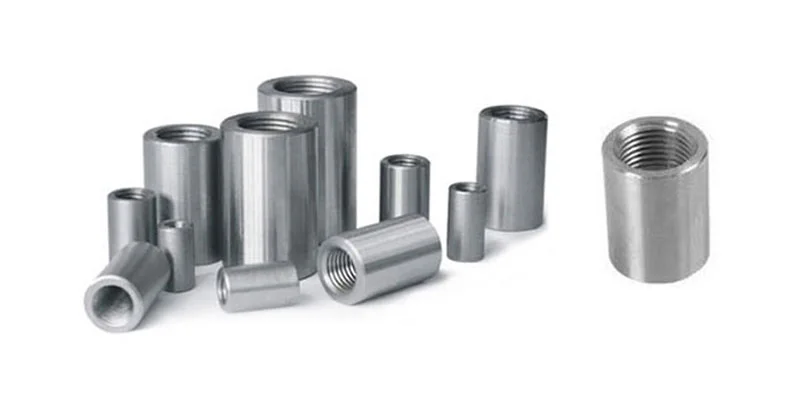
A Threaded Full Coupling is generally designed with internal threads at both ends, allowing two externally threaded pipe sections or compatible components to connect through the fitting. The term “full coupling” distinguishes it from a half coupling, which typically connects at only one end.
- Connection purpose: Joins two compatible threaded pipe ends.
- Design: Commonly features internal threads on both ends.
- Applications: May be used in suitable industrial, utility, and equipment piping systems.
- Selection: Requires confirmation of size, thread form, material, and service conditions.
- Installation: Should follow the applicable engineering specifications and installation guidance.
The correct design depends on the piping system. Buyers should verify that the coupling is suitable for the fluid, operating pressure, temperature, and installation environment.
Full Threaded Coupling
A Full Threaded Coupling is selected when both ends of the fitting need to connect to compatible externally threaded components. It is important to confirm that the term “full” refers to the intended fitting configuration in the supplier’s catalogue.
- Check the internal thread specification at both ends.
- Confirm nominal pipe size and dimensional requirements.
- Verify the material grade and any applicable product standard.
- Review the connection’s intended operating conditions.
- Ensure that the coupling fits the existing piping layout.
Product descriptions can differ among manufacturers, so drawings and technical datasheets are useful when comparing similar fittings.
Threaded Pipe Coupling
A Threaded Pipe Coupling is a general category of fitting used to connect threaded pipe sections. Couplings are available in different designs, materials, sizes, and thread configurations.
- Identify whether a full, half, reducing, or another coupling type is required.
- Match the coupling to the pipe’s nominal size and thread form.
- Check the material’s compatibility with the service environment.
- Review pressure and temperature limitations.
- Follow the appropriate assembly and sealing procedure.
A coupling should not be chosen solely by appearance. Confirming the technical details can help prevent mismatched threads, installation problems, and unsuitable service performance.
Forged Threaded Coupling
A Forged Threaded Coupling is a coupling manufactured using a forging process. Forged fittings are used in applications where the specified design, material, and dimensions meet the needs of the piping system.
- Confirm whether the required product is specified as forged.
- Request the material grade and applicable manufacturing standard.
- Check dimensional and thread requirements.
- Review documentation requirements for the project.
- Verify suitability for the intended pressure and temperature conditions.
Not every threaded coupling is forged. Buyers should check the manufacturing description and supporting documents rather than assuming the process from the product name alone.
Stainless Steel Threaded Coupling
A Stainless Steel Threaded Coupling may be considered where corrosion resistance is an important design factor. Performance depends on the specific stainless steel grade and the surrounding service conditions.
- Select a grade suitable for the fluid and environment.
- Consider exposure to moisture, chemicals, chlorides, or cleaning agents.
- Verify thread compatibility with the connected components.
- Check operating temperature and pressure requirements.
- Ask the supplier about available material certification.
Stainless steel does not provide identical corrosion resistance in every environment. Material selection should be based on the actual application and, where needed, advice from a qualified engineer.
Threaded Coupling Fittings
Threaded Coupling Fittings are used to make threaded connections in piping systems. The exact fitting type should be selected according to the layout and the connection that needs to be made.
- Determine whether a straight, reducing, full, or half coupling is needed.
- Check the required thread standard.
- Confirm the nominal size and material.
- Consider installation access and maintenance requirements.
- Verify that the fitting meets project specifications.
Using the correct fitting type helps maintain consistency throughout a piping installation. Always compare the product drawing and specifications with the engineering requirements.
Industrial Pipe Coupling
An Industrial Pipe Coupling is used in suitable industrial piping arrangements to connect pipe sections or compatible threaded components. Different applications require different materials, connection methods, and levels of performance.
- Manufacturing facilities: Couplings may be used in appropriate utility and process lines.
- Equipment connections: Threaded fittings can connect compatible components where the design permits.
- Maintenance work: Replacement couplings should match the original specification.
- Plant projects: Product selection should follow the approved piping design.
- Procurement: Buyers should confirm quantity, material, size, and documentation needs.
Threaded joints are not suitable for every service. System designers should assess vibration, temperature, pressure, leakage risk, and applicable codes before choosing a connection method.
Threaded Full Coupling Manufacturer
When evaluating a Threaded Full Coupling Manufacturer, buyers should review the manufacturer’s product range, technical information, quality documentation, and ability to meet the project’s specifications.
- Ask for available sizes and material grades.
- Request technical datasheets or product drawings.
- Confirm thread types and applicable standards.
- Clarify inspection and documentation requirements.
- Check production lead times and order quantities.
A manufacturer should be able to explain which specifications apply to the offered product. Avoid assuming that every size, material, or standard is available without confirmation.
Threaded Full Coupling Supplier
A Threaded Full Coupling Supplier can help buyers source fittings for industrial projects, maintenance requirements, or distribution. Clear communication is essential when ordering components that must match an existing piping system.
- Provide the required nominal pipe size.
- Specify the thread standard and material grade.
- Share project specifications or drawings where available.
- Confirm quantity, delivery destination, and packaging requirements.
- Ask about inspection documents and material traceability if required.
Before placing an order, check that the supplier’s quotation matches the requested configuration. This can reduce delays caused by incorrect dimensions or material selection.
Threaded Pipe Fittings
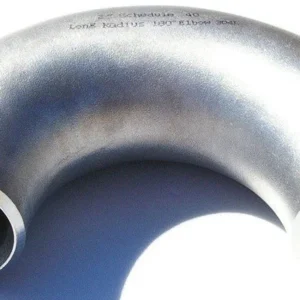
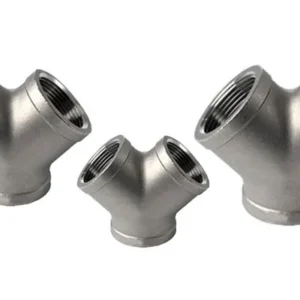
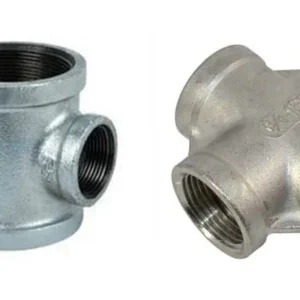
Threaded Pipe Fittings include couplings, elbows, tees, crosses, unions, nipples, and other components designed for threaded connections. Each fitting serves a different purpose within a piping layout.
- Use couplings to connect compatible pipe ends.
- Use elbows when a change in direction is required.
- Use tees where a branch connection is needed.
- Consider unions where the design requires a detachable connection.
- Select reducers when a change in nominal pipe size is specified.
All fittings in a system should be compatible in thread form, material, pressure rating, and service conditions. Follow the applicable engineering design and standards for the installation.
Threaded Full Coupling Manufacturer in Italy & Belgium
Buyers sourcing a Threaded Full Coupling Manufacturer in Italy & Belgium should establish the required product specifications before comparing suppliers or quotations.
- Confirm the material grade and dimensions.
- Specify the thread form and nominal pipe size.
- Request drawings and technical documents.
- Clarify delivery requirements for the intended destination.
- Check whether the supplier can meet project-specific inspection needs.
Masiva Metals can be contacted to discuss product requirements and sourcing enquiries. Buyers should confirm current product availability, applicable standards, and delivery arrangements directly.
Threaded Full Coupling Supplier in United Arab Emirates (UAE)
When looking for a Threaded Full Coupling Supplier in United Arab Emirates (UAE), project teams should consider the operating environment and the technical requirements of the installation.
- Identify the fluid or service carried by the piping.
- Confirm pressure, temperature, and material requirements.
- Specify the thread standard and coupling dimensions.
- Review the delivery schedule and documentation requirements.
- Check the quotation against the approved material specification.
These steps help ensure that the selected fitting is suitable for the intended project rather than simply matching the product name.
Threaded Full Coupling Manufacturer in Spain
A Threaded Full Coupling Manufacturer in Spain may be evaluated by industrial buyers based on technical conformity, product specifications, and the ability to support the required order.
- Compare the offered fitting with the project drawing.
- Confirm the material and manufacturing description.
- Check thread dimensions and tolerances.
- Request applicable quality documents.
- Discuss order quantity and delivery expectations.
For cross-border sourcing, provide complete technical details early so the supplier can assess the request accurately and identify any missing information.
Threaded Full Coupling Supplier in Germany & South Korea
A Threaded Full Coupling Supplier in Germany & South Korea should be assessed against the project’s engineering requirements, procurement process, and delivery needs.
- State the exact thread type and nominal size.
- Confirm whether a particular material standard is mandatory.
- Ask for the relevant product datasheet.
- Verify packaging, identification, and traceability needs.
- Confirm shipping timelines and commercial terms.
Different projects may use different standards, so avoid substituting a similar-looking fitting without technical approval. Any alternative should be checked by the responsible engineer or procurement team.
Threaded Full Coupling Manufacturer in Italy
When searching for a Threaded Full Coupling Manufacturer in Italy, buyers should compare products using technical specifications rather than relying on general descriptions alone.
- Confirm the required coupling configuration.
- Check material grade and thread compatibility.
- Request available drawings or dimensional information.
- Clarify inspection and certification needs.
- Verify delivery dates and quantity requirements.
For planned maintenance or replacement orders, sharing details of the existing fitting can help reduce the risk of receiving an incompatible component.
Threaded Full Coupling Supplier in Belgium
A Threaded Full Coupling Supplier in Belgium may be considered for industrial purchasing when the product meets the system’s specified connection and material requirements.
- Check the fitting’s size and internal thread form.
- Verify the material’s suitability for the service.
- Ask whether technical documentation is available.
- Confirm quantity, packing, and delivery requirements.
- Review the supplier’s quotation and terms.
Buyers should confirm that the proposed fitting complies with the project’s applicable standards before approving the order.
Threaded Full Coupling Manufacturer in Germany
When evaluating a Threaded Full Coupling Manufacturer in Germany, technical consistency and documentation may be important for industrial procurement.
- Provide a clear material and dimensional specification.
- Identify the required thread standard.
- Confirm whether testing or inspection documents are needed.
- Check the manufacturer’s stated production capabilities.
- Ensure that any proposed alternative receives technical approval.
Clear specifications support more accurate quotations and help purchasing teams compare products on an equivalent basis.
Threaded Full Coupling Supplier in Vietnam & Philippines
A Threaded Full Coupling Supplier in Vietnam & Philippines may be assessed for project sourcing by confirming the product specification, logistics requirements, and order documentation.
- Specify the intended application and service conditions.
- Confirm thread form, size, and material.
- Ask for product drawings and available documentation.
- Review packaging and shipping requirements.
- Confirm delivery timing and order quantities.
For international purchases, allow sufficient time to verify specifications and shipping arrangements before the fittings are required at the installation site.
Threaded Full Coupling Manufacturer in Saudi Arabia & UAE
Buyers searching for a Threaded Full Coupling Manufacturer in Saudi Arabia & UAE should ensure that the selected fitting is appropriate for the relevant service environment and project requirements.
- Confirm material suitability for the operating environment.
- Check pressure, temperature, and thread specifications.
- Request technical documentation where required.
- Clarify delivery and packaging arrangements.
- Verify compliance with the project’s approved standards.
For demanding industrial environments, product selection should be reviewed by a qualified engineer. A general product description is not a substitute for application-specific engineering approval.
Threaded Full Coupling Exporter in Italy & Belgium
A Threaded Full Coupling Exporter in Italy & Belgium should be able to discuss the requested product details and the practical requirements of international supply.
- Prepare a complete enquiry with sizes, materials, and quantities.
- Specify the thread type and applicable standard.
- Ask about packing, marking, and documentation.
- Confirm delivery terms and estimated timelines.
- Check whether the offered products match the project specification.
Masiva Metals welcomes product enquiries through its website. Contact the company directly to confirm current export capabilities, availability, commercial terms, and destination-specific requirements.
How to Select the Right Threaded Full Coupling
Selecting the right coupling begins with matching the fitting to the piping design. A product that appears suitable may still be incompatible if its thread form, material, or dimensions differ from the system requirements.
- Identify the connection: Confirm that a full coupling with internal threads at both ends is required.
- Confirm the size: Match the nominal pipe size and specified dimensions.
- Check thread compatibility: Verify the exact thread form and standard; do not assume different thread systems are interchangeable.
- Select the material: Consider fluid compatibility, corrosion exposure, temperature, and operating conditions.
- Review the pressure requirements: Ensure the fitting is suitable for the design conditions.
- Check documentation: Request applicable drawings, material details, and inspection documents.
- Confirm installation requirements: Follow the approved assembly and sealing procedures.
Installation and Maintenance Considerations
Threaded connections require appropriate preparation and installation. Incorrect thread matching, excessive tightening, unsuitable sealants, or damaged threads can contribute to leakage or fitting failure.
- Inspect threads for damage, contamination, or visible defects before assembly.
- Use only compatible sealing materials approved for the service.
- Follow the manufacturer’s installation guidance and applicable engineering procedures.
- Avoid forcing mismatched threads together.
- Inspect accessible joints during scheduled maintenance.
- Replace damaged or unsuitable fittings rather than improvising repairs.
Any inspection, pressure testing, or maintenance should follow the relevant site procedures and applicable codes. Work on pressurised systems should be performed only by qualified personnel under safe conditions.
Frequently Asked Questions
What is a Threaded Full Coupling?
It is a pipe fitting generally designed with internal threads at both ends to connect two compatible externally threaded pipe ends or components.
What is the difference between a full coupling and a half coupling?
A full coupling typically connects at both ends, while a half coupling generally provides a threaded connection at one end. Confirm the precise design in the supplier’s catalogue.
Which materials are available for threaded full couplings?
Material options depend on the manufacturer and product range. Buyers may encounter carbon steel, stainless steel, or other specified materials. Confirm availability and grade with the supplier.
Are all threaded full couplings interchangeable?
No. Thread form, size, material, pressure requirements, and applicable standards must be compatible with the piping system.
What details should I provide when requesting a quotation?
Provide the fitting type, nominal size, thread standard, material grade, quantity, required documents, destination, and any project-specific specifications.
How can I contact Masiva Metals?
Visit https://www.masivametal.com/ to enquire about product availability, technical details, and purchasing requirements.
Conclusion
A Threaded Full Coupling is a useful component in piping systems designed for compatible threaded connections. Selecting the correct product requires attention to thread form, dimensions, material, operating conditions, and the applicable project standards. Buyers should verify product details and request the appropriate technical documents before placing an order.
Contact Masiva Metals to discuss your Threaded Full Coupling requirements, confirm available specifications, and request information for your industrial piping project.