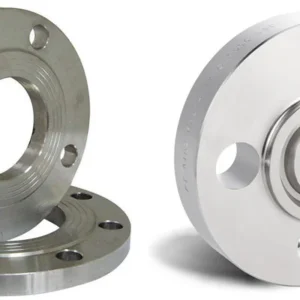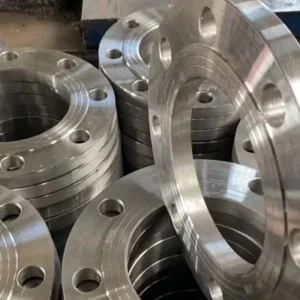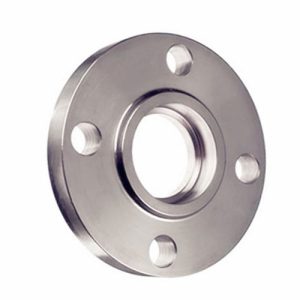

Description
Reducing Flanges: Types, Materials, Applications and Selection Guide
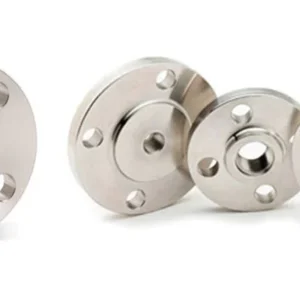
Reducing Flanges are piping components used in systems where a flange connection must accommodate different pipe sizes. They help connect piping components with different nominal diameters when the selected design, dimensions and pressure requirements are compatible. These flanges are considered in industrial piping projects where space, flow transitions, equipment connections and installation requirements must be addressed together. Selecting the correct Reducing Flanges requires checking the pipe sizes, material grade, flange rating, facing, bolt arrangement and applicable engineering standards. Masiva Metals provides a point of contact for discussing flange sourcing requirements and confirming product details against project specifications.
Reducing Flanges
Reducing Flanges are designed to connect piping components of different sizes within a compatible flanged arrangement. They may be specified in industrial systems where a change in nominal pipe diameter is required at a flange connection. The appropriate design depends on the piping layout and the dimensions of the mating components.
When choosing Reducing Flanges, buyers and engineers should consider:
- Pipe size compatibility: Confirm both the larger and smaller nominal sizes.
- Pressure rating: Verify that the flange and connected components meet the system’s design conditions.
- Material selection: Choose a material suitable for the fluid, temperature and operating environment.
- Facing and gasket: Ensure the facing arrangement and gasket are compatible with the mating flange.
- Applicable standards: Confirm the required standard, dimensions and pressure class.
- Documentation: Identify any material certificates, inspection records or traceability requirements.
A reducing flange should not be selected by size alone. Its geometry and rating must be suitable for the complete piping assembly.
Reducing Pipe Flanges
Reducing Pipe Flanges are used when a flanged connection must accommodate a transition between different pipe diameters. Their configuration should be selected according to the approved piping drawings and the requirements of the system.
The connection may involve equipment nozzles, valves or other flanged components, provided the selected arrangement is designed for the application. A flange is not a substitute for a reducer fitting unless the piping design specifically calls for that configuration.
Before ordering Reducing Pipe Flanges, confirm:
- Larger and smaller pipe sizes.
- Flange dimensions and thickness.
- Facing type and mating connection details.
- Pressure-temperature rating.
- Material specification and corrosion requirements.
- Bolt-hole dimensions and gasket requirements.
Clear specifications help reduce errors during procurement and installation. For complex systems, engineering review should confirm that the proposed component meets the design code and operating requirements.
Steel Reducing Flanges
Steel Reducing Flanges may be used in piping systems where steel construction is specified. The selected grade should provide the required mechanical properties and suit the operating conditions, including pressure, temperature and exposure to the process medium.
Steel is a broad material category, so buyers should not assume that all steel grades are interchangeable. The project’s material specification should define the grade, manufacturing requirements and any applicable inspection or testing obligations.
Important checks include:
- Required material grade and specification.
- Nominal sizes and flange dimensions.
- Design pressure and operating temperature.
- Corrosion allowance or protective treatment requirements.
- Applicable standards and dimensional tolerances.
- Material identification and documentation.
Confirm these details with the supplier before placing an order. Where a piping system carries hazardous or corrosive media, material selection should be reviewed by a qualified engineer.
Stainless Steel Reducing Flanges
Stainless Steel Reducing Flanges may be considered for piping systems where corrosion resistance is an important requirement. Their suitability depends on the stainless steel grade, process fluid, concentration, temperature and cleaning conditions.
Stainless steel does not provide universal resistance to every corrosive environment. The specified grade must be assessed against the service conditions, and the compatibility of the flange with connected components should also be checked.
When evaluating Stainless Steel Reducing Flanges, review:
- Stainless steel grade and required mechanical properties.
- Fluid chemistry and potential corrosion mechanisms.
- Operating and cleaning temperatures.
- Dimensions, facing and pressure rating.
- Gasket and bolting compatibility.
- Required material certificates and inspection records.
Correct material selection can help support service reliability and reduce the risk of premature component deterioration. Final approval should be based on project requirements and applicable engineering guidance.
Carbon Steel Reducing Flanges
Carbon Steel Reducing Flanges may be suitable for piping systems designed for carbon steel materials. Their application depends on the selected grade, pressure-temperature conditions, corrosion risks and the requirements of the piping code.
In environments where corrosion is possible, the design may require an appropriate corrosion allowance, coating or other protective measures. These measures must be suitable for the service and should not be assumed to be included with every flange.
Before sourcing Carbon Steel Reducing Flanges, confirm:
- Material grade and governing specification.
- Larger and smaller connection sizes.
- Pressure class and operating temperature.
- Internal and external corrosion conditions.
- Facing profile and gasket requirements.
- Quality documentation and inspection needs.
Procurement specifications should state the material and dimensional requirements clearly so that the proposed flange can be checked against the piping design.
Industrial Reducing Flanges
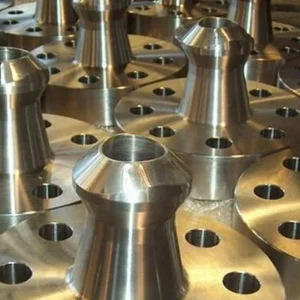
Industrial Reducing Flanges are selected for piping arrangements where a change in nominal diameter must be accommodated within a flanged connection. Their use depends on the process design, equipment interface and applicable requirements.
Industrial piping systems can experience pressure fluctuations, thermal expansion, vibration and external loads. These conditions should be considered when selecting and installing flange connections. The reducing configuration must be appropriate for the intended service and must not create an unapproved change to the system design.
Industrial buyers should prepare a specification that includes:
- Pipe sizes and connection arrangement.
- Design pressure and temperature.
- Required material grade.
- Facing type and flange rating.
- Applicable standards and drawings.
- Inspection, marking and traceability requirements.
- Quantity, packing and delivery details.
A well-defined specification helps suppliers assess the request and supports a smoother review process before purchase.
High Pressure Reducing Flanges
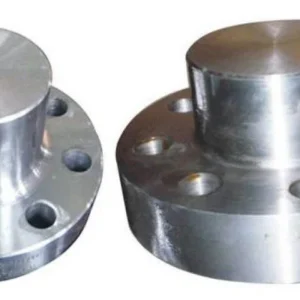
High Pressure Reducing Flanges must be selected according to the design pressure, operating temperature, material properties and applicable piping standards. The reducing shape alone does not establish the pressure capacity of a flange.
The complete connection—including the flange, gasket, bolts and mating components—must be suitable for the intended service. The piping design should also account for any loads or operating conditions that may affect joint integrity.
Before specifying High Pressure Reducing Flanges, check:
- Design and operating pressure.
- Minimum and maximum operating temperature.
- Applicable pressure class or rating.
- Material grade and mechanical properties.
- Gasket design and bolting requirements.
- Inspection, testing and documentation obligations.
Do not rely solely on a product label or general description when assessing pressure suitability. Obtain and review the relevant technical documentation before installation.
Reducing Flange Dimensions
Reducing Flange Dimensions are critical to ensuring that the component fits the intended piping arrangement. Because the flange connects different nominal sizes, the drawing or specification should clearly identify both connection sizes and the required geometry.
Dimensions should be checked against the relevant standard or approved engineering drawing. Nominal pipe size alone does not provide enough information to verify interchangeability.
Typical details to confirm include:
- Larger and smaller nominal diameters.
- Outside diameter and flange thickness.
- Bolt-circle diameter and bolt-hole count.
- Bolt-hole diameter and orientation.
- Facing profile and dimensions.
- Bore dimensions and connection details.
- Applicable tolerances and manufacturing requirements.
The required values can vary according to flange type, standard, pressure class and design. Always use the approved project documentation rather than relying on assumed or generic measurements.
Reducing Flanges Manufacturer
When evaluating a Reducing Flanges Manufacturer, buyers should focus on the ability to understand and meet the specified technical requirements. Product descriptions alone are not sufficient evidence of conformity with a particular standard or project specification.
A clear enquiry should state the required sizes, material grade, rating, facing, applicable standard and quantity. Where special inspection, testing or traceability is required, those expectations should be included before a quotation is finalized.
A manufacturer evaluation may cover:
- Review of technical drawings and dimensional requirements.
- Verification of the material specification.
- Confirmation of the applicable manufacturing standard.
- Availability of required inspection and test documentation.
- Quality control and product identification procedures.
- Confirmation of delivery schedules and packing requirements.
Masiva Metals can be contacted to discuss Reducing Flanges sourcing requirements. Confirm the available product range, technical compliance and documentation directly before placing an order.
Reducing Flanges Supplier
A Reducing Flanges Supplier helps buyers source components that match the specified piping arrangement. Clear communication about dimensions, materials and operating conditions is essential when comparing offers from different suppliers.
To support an accurate quotation, provide the larger and smaller connection sizes, flange rating, material grade, facing type, relevant standard and delivery destination. Attach a drawing or datasheet when available, especially if the design uses nonstandard or project-specific dimensions.
Before confirming an order, review:
- Product description and dimensional conformity.
- Material grade and any required certification.
- Pressure rating and facing compatibility.
- Quantity and delivery schedule.
- Packaging, marking and shipping requirements.
- Any stated exclusions or deviations from the specification.
For international procurement, also clarify delivery terms and responsibilities for transport and import formalities. Masiva Metals can be approached through its website to discuss project requirements and determine the appropriate sourcing process.
Applications and Installation Considerations
Reducing Flanges may be specified for industrial process piping, utility systems and equipment connections where the approved design requires a flanged transition between different sizes. The appropriate application depends on the system layout and the component’s verified technical details.
During installation, qualified personnel should check that the flange matches the mating component, the facing is undamaged and the gasket is suitable for the joint. Bolting should be tightened using the approved procedure. Misaligned piping should not be forced into position, because this may introduce unwanted loads into the flange connection.
Good practice includes:
- Inspecting components before assembly.
- Confirming dimensions and facing compatibility.
- Checking gasket material and placement.
- Aligning the piping without excessive force.
- Following the specified bolting sequence and torque or tension procedure.
- Completing required inspection and testing before commissioning.
Maintenance and inspection intervals should be based on the service conditions, applicable standards and site procedures.
Frequently Asked Questions
What are Reducing Flanges used for?
Reducing Flanges are used to accommodate different nominal pipe sizes within a flanged connection when the design and mating components are compatible.
What information is needed to order Reducing Pipe Flanges?
Provide both connection sizes, material grade, pressure rating, facing type, applicable standard, quantity and any required documentation. A technical drawing can help confirm project-specific dimensions.
Are Stainless Steel Reducing Flanges suitable for corrosive services?
They may be suitable when the selected stainless steel grade is compatible with the process medium and operating conditions. Corrosion resistance should be verified for the actual application.
Can Reducing Flanges be used in high-pressure piping?
They can be considered when the flange and complete joint meet the applicable pressure-temperature design requirements. Confirm the rating, materials, gasket and bolting before use.
How do Reducing Flanges differ from reducer fittings?
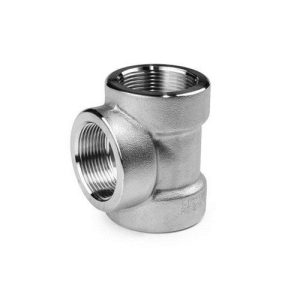
A reducing flange provides a flanged connection designed for different sizes, while a reducer fitting is a separate piping component used to transition between diameters. The correct component depends on the piping layout and engineering specification.
How can I confirm Reducing Flange dimensions?
Check the approved drawing or applicable standard for the larger and smaller sizes, outside diameter, thickness, bolt-circle dimensions, hole arrangement and facing geometry.
Conclusion
Reducing Flanges are useful components in piping designs that require a compatible flanged connection between different nominal sizes. Correct selection depends on dimensions, material grade, pressure rating, facing profile, gasket compatibility and the applicable engineering standards.
For Reducing Flanges enquiries, visit Masiva Metals to discuss your project specifications, sourcing requirements and the technical details that should be verified before ordering.