Description
Threaded Half Coupling: Types, Materials, Applications, and Selection Guide
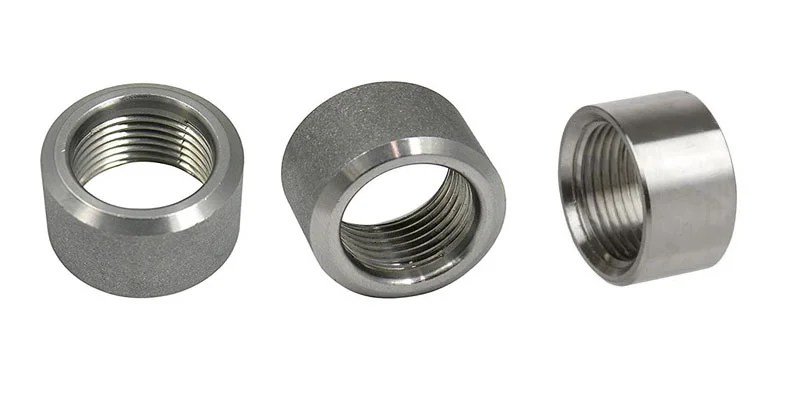
A Threaded Half Coupling is a compact pipe fitting used to connect a threaded pipe or compatible component to another part of a piping system. Unlike a full coupling, a typical half coupling has a threaded connection at one end and a different termination at the other, often intended for attachment to a pipe, vessel, or equipment connection according to the specified design. Its suitability depends on the connection type, dimensions, material, and operating conditions. Masiva Metals supports industrial buyers looking for piping components by helping them identify the product information to confirm before ordering.
Threaded Half Coupling
A Threaded Half Coupling is commonly used when a piping design requires a threaded connection at one end of a fitting. The other end may be designed for attachment by welding or another specified method, depending on the product configuration.
- Connection design: Typically provides an internal threaded connection at one end.
- Installation: The opposite end must match the system’s specified attachment method.
- Applications: May be used in suitable industrial piping, equipment connections, and utility systems.
- Material options: Depend on the manufacturer’s product range and project requirements.
- Selection: Requires verification of size, thread form, material grade, and service conditions.
Always check the supplier’s technical drawing to confirm the exact configuration. The term “half coupling” alone is not sufficient to establish the fitting’s dimensions or attachment method.
Half Threaded Coupling
Half Threaded Coupling is an alternative search phrase for a half coupling with a threaded connection. Buyers should verify the intended product design rather than relying only on a shortened or alternate product name.
- Confirm which end has internal threads.
- Check the connection required at the opposite end.
- Match the nominal pipe size and thread specification.
- Verify material compatibility with the operating environment.
- Review the approved drawing and installation instructions.
Clear specifications help prevent ordering a fitting that looks similar but cannot be installed correctly in the intended piping arrangement.
Threaded Half Pipe Coupling
A Threaded Half Pipe Coupling may be selected for a piping layout where a single threaded connection is required. Its design should match the connected pipe, equipment, or branch arrangement.
- Identify the exact pipe size and connection dimensions.
- Confirm the required thread type and standard.
- Check whether the other end is intended for welding or another connection.
- Verify the pressure and temperature requirements of the system.
- Confirm that the fitting meets the project’s technical specification.
If the fitting will be installed in an existing system, compare its dimensions and connection details with the original component before purchasing a replacement.
Forged Half Coupling
A Forged Half Coupling is a half coupling manufactured through a forging process. Forged fittings may be specified for particular industrial applications, but the suitability of a product depends on its material, design, dimensions, and relevant standard.
- Confirm that the fitting is specified as forged.
- Request the material grade and manufacturing details.
- Check thread dimensions and the opposite-end configuration.
- Verify applicable product standards and documentation requirements.
- Ensure the product is suitable for the intended operating conditions.
Not every half coupling is forged. Buyers should confirm the manufacturing method directly with the supplier rather than inferring it from the fitting’s shape.
Stainless Steel Half Coupling
A Stainless Steel Half Coupling may be suitable for applications where corrosion resistance is an important consideration. The appropriate grade depends on the fluid, temperature, exposure conditions, and other design factors.
- Identify the stainless steel grade required by the project.
- Consider exposure to moisture, chemicals, salts, or cleaning agents.
- Confirm the thread form and connection dimensions.
- Check pressure and temperature requirements.
- Ask about material documentation when required.
Stainless steel grades differ in their corrosion resistance and mechanical properties. An engineer should verify that the chosen grade is appropriate for the actual service environment.
Half Coupling Pipe Fitting
A Half Coupling Pipe Fitting provides a connection point within a compatible piping arrangement. It may be used in industrial systems where a threaded connection is needed at one end and the specified attachment is required at the other.
- Check the fitting’s overall dimensions and configuration.
- Confirm the thread type and nominal size.
- Review the material and relevant product standard.
- Consider access for installation and future maintenance.
- Ensure the fitting is compatible with adjoining components.
The exact application should be established from the engineering design. Do not assume that all half couplings can be used in the same pressure, temperature, or fluid service.
Industrial Half Coupling
An Industrial Half Coupling is a general term for a half coupling used in industrial piping or equipment systems. Its suitability depends on the application’s connection requirements and operating conditions.
- Plant maintenance: May be considered when replacing a compatible existing fitting.
- Equipment connections: Can be used where the specified design calls for a half coupling.
- Piping fabrication: Requires compatibility with the pipe and installation method.
- Procurement: Calls for accurate dimensions, material details, and quantities.
- Quality control: May require inspection records or material documents under the project specification.
Industrial applications can involve demanding conditions. The selected fitting should be reviewed against the approved engineering specification before installation.
Threaded Half Coupling Manufacturer
When evaluating a Threaded Half Coupling Manufacturer, buyers should review the product range, technical information, manufacturing details, and ability to meet the project’s requirements.
- Ask which sizes and materials are available.
- Confirm the thread form and opposite-end configuration.
- Request a technical drawing or datasheet.
- Clarify the applicable manufacturing standard.
- Discuss inspection, traceability, and documentation needs.
- Confirm order quantities and expected lead times.
A manufacturer should be able to explain the characteristics of the offered product. Availability of specific sizes, materials, and standards should always be confirmed directly.
Threaded Half Coupling Supplier
A Threaded Half Coupling Supplier can help buyers source fittings for new installations, repair work, and industrial procurement. Supplying the correct specifications makes it easier to assess whether a quoted product is suitable.
- Provide the required nominal size.
- State the thread type and material grade.
- Describe the other end’s required connection.
- Share project drawings or technical specifications when available.
- Confirm quantity, destination, and delivery expectations.
- Ask about the documents required for acceptance.
Before approving a quotation, verify that the offered fitting matches the project’s dimensions and material requirements. Similar product names do not always represent identical configurations.
Threaded Pipe Fittings
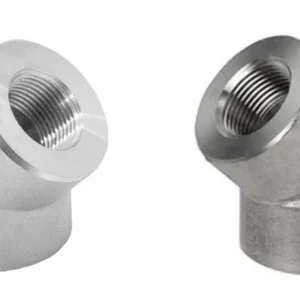
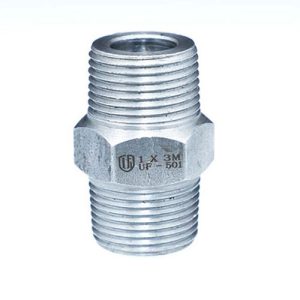
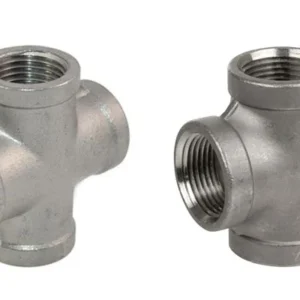
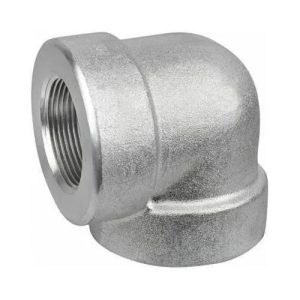
Threaded Pipe Fittings include couplings, elbows, tees, crosses, unions, nipples, and other components designed for compatible threaded connections. Each fitting serves a specific function in a piping system.
- Couplings: Connect compatible pipe ends or provide a specified connection point.
- Elbows: Change the direction of a piping run.
- Tees: Create a branch connection.
- Unions: Provide a detachable connection where the design permits.
- Nipples: Connect fittings or components over a short pipe length.
Select every fitting according to the engineering design, thread compatibility, material, and operating conditions. Mixing incompatible thread forms or unsuitable materials can create installation and service problems.
Threaded Half Coupling Manufacturer in Italy & Belgium
Buyers searching for a Threaded Half Coupling Manufacturer in Italy & Belgium should begin by preparing the product specification and confirming the required connection design.
- Specify the nominal size and thread standard.
- Identify the required material grade.
- Confirm the configuration of the non-threaded end.
- Request technical drawings and relevant documents.
- Discuss order quantities and delivery requirements.
Masiva Metals can be contacted through its website to discuss sourcing enquiries. Buyers should confirm current product availability, manufacturing capabilities, and delivery arrangements directly with the company.
Threaded Half Coupling Supplier in United Arab Emirates (UAE)
When looking for a Threaded Half Coupling Supplier in United Arab Emirates (UAE), project teams should check both technical suitability and procurement requirements.
- Identify the fluid or service carried by the piping.
- Confirm the design pressure and temperature.
- Specify the thread form, size, and material.
- Review the connection method required at the opposite end.
- Confirm delivery schedules and documentation needs.
For industrial installations, product selection should follow the approved project specification. A general product description is not a substitute for engineering verification.
Threaded Half Coupling Manufacturer in Spain
A Threaded Half Coupling Manufacturer in Spain may be assessed by industrial buyers based on product conformity, technical support, and the ability to meet the required specification.
- Compare the offered product with the project drawing.
- Confirm the material and manufacturing process.
- Verify thread dimensions and connection details.
- Request applicable inspection or material documents.
- Clarify order quantities and lead times.
Complete product information helps buyers compare quotations accurately and reduces the risk of ordering an incompatible fitting.
Threaded Half Coupling Supplier in Germany & South Korea
A Threaded Half Coupling Supplier in Germany & South Korea should be evaluated against the project’s connection requirements, material specification, and delivery needs.
- Provide the exact thread type and nominal size.
- Confirm whether a particular material standard is mandatory.
- Specify the required end configuration.
- Request the technical datasheet or drawing.
- Verify packing, marking, and traceability requirements.
Do not substitute a fitting with a different thread system or end design without technical approval. Any proposed alternative should be reviewed by the responsible engineer or procurement team.
Threaded Half Coupling Manufacturer in Italy
When searching for a Threaded Half Coupling Manufacturer in Italy, buyers should compare products using their technical specifications rather than product names alone.
- Confirm the half coupling design and attachment method.
- Check the material grade and thread compatibility.
- Request dimensional information.
- Clarify inspection and certification requirements.
- Verify the expected production and delivery schedule.
For replacement orders, sharing the original fitting’s details or an approved drawing can help the supplier identify a suitable match.
Threaded Half Coupling Supplier in Belgium
A Threaded Half Coupling Supplier in Belgium may be considered for industrial sourcing when the product meets the connection, material, and service requirements.
- Check the internal thread specification.
- Confirm the opposite-end connection.
- Verify the material’s suitability for the operating environment.
- Ask whether technical documentation is available.
- Review the quotation, quantity, and delivery terms.
Before approving the order, confirm that the product complies with the applicable project standard and has the correct dimensions.
Threaded Half Coupling Manufacturer in Germany
When evaluating a Threaded Half Coupling Manufacturer in Germany, buyers may need clear product documentation and consistent compliance with project specifications.
- Provide a complete dimensional and material specification.
- Identify the required thread standard.
- Confirm the fitting’s manufacturing method.
- Request inspection documents where required.
- Check that any proposed substitute receives engineering approval.
Accurate technical communication helps reduce procurement errors and makes it easier to compare products on an equivalent basis.
Threaded Half Coupling Supplier in Vietnam & Philippines
A Threaded Half Coupling Supplier in Vietnam & Philippines may be assessed for international sourcing by reviewing the product specification, shipping requirements, and documentation.
- Specify the intended application and operating conditions.
- Confirm thread type, size, and material grade.
- Request the product drawing and available quality documents.
- Review packaging and shipping requirements.
- Confirm delivery timelines and order quantities.
For cross-border procurement, allow time for technical review and shipment planning before the components are needed at the installation site.
Threaded Half Coupling Manufacturer in Saudi Arabia & UAE
Buyers searching for a Threaded Half Coupling Manufacturer in Saudi Arabia & UAE should verify that the selected fitting meets the requirements of the specific industrial service.
- Confirm material suitability for the service environment.
- Check pressure, temperature, size, and thread specifications.
- Verify the opposite-end connection method.
- Request technical documentation where required.
- Review delivery and packaging arrangements.
For demanding applications, qualified engineers should review the proposed product against the system design before purchase and installation.
Threaded Half Coupling Exporter in Italy & Belgium
A Threaded Half Coupling Exporter in Italy & Belgium should be able to discuss the requested product specifications and the practical requirements of international supply.
- Prepare a clear enquiry with sizes, materials, and quantities.
- Specify the thread form and required end configuration.
- Ask about product marking, packaging, and documentation.
- Confirm delivery terms and estimated timelines.
- Verify that the offered fitting matches the approved specification.
Contact Masiva Metals directly through its website to confirm current export services, product availability, commercial terms, and delivery options for your destination.
How to Select the Right Threaded Half Coupling
Selecting the correct Threaded Half Coupling involves more than matching a nominal size. The connection, material, and service requirements must all be compatible.
- Identify the fitting design: Confirm that a half coupling is required and establish the configuration of each end.
- Confirm the size: Match the nominal pipe size and specified dimensions.
- Verify the thread: Identify the exact thread form and standard. Different thread systems should not be assumed interchangeable.
- Choose the material: Consider corrosion exposure, fluid compatibility, temperature, and operating conditions.
- Check the rating: Confirm suitability for the project’s pressure and temperature requirements.
- Review standards: Verify the applicable fitting and piping standards.
- Request documentation: Obtain the drawings, material details, and inspection records required by the project.
- Plan installation: Follow approved assembly, welding, sealing, and inspection procedures as applicable.
Installation and Maintenance Guidelines
Correct installation is important for the safe and reliable operation of threaded piping components. Poor thread matching, improper sealing, excessive tightening, or unsuitable welding practices can lead to leakage or damage.
- Inspect the fitting for visible damage and check threads before assembly.
- Ensure that the threaded component matches the specified thread form.
- Use compatible sealants and installation methods approved for the service.
- Follow the approved procedure for any welding required at the other end.
- Avoid forcing mismatched components together.
- Inspect joints during scheduled maintenance according to site procedures.
- Replace damaged fittings instead of relying on improvised repairs.
Installation, testing, and maintenance should be performed by qualified personnel following applicable codes and site safety requirements.
Frequently Asked Questions
What is a Threaded Half Coupling?
It is a pipe fitting that typically has a threaded connection at one end and another specified termination at the opposite end. The exact configuration should be confirmed using the product drawing.
What is the difference between a full coupling and a half coupling?
A full coupling typically has connection provisions at both ends, while a half coupling generally provides a threaded connection at one end and a different termination at the other.
Which materials are available for half couplings?
Material availability depends on the supplier and product range. Confirm the grade, manufacturing method, and material documentation for your required application.
Can threaded half couplings be used in every piping system?
No. Suitability depends on the system design, connection type, material, pressure, temperature, and applicable standards.
What information should I provide when requesting a quotation?
Provide the nominal size, thread standard, material grade, opposite-end configuration, quantity, required documents, delivery destination, and project specifications.
How can I enquire about Threaded Half Coupling from Masiva Metals?
Visit https://www.masivametal.com/ to contact Masiva Metals and confirm the product specifications, availability, and ordering requirements.
Conclusion
A Threaded Half Coupling is useful where a piping design requires a threaded connection at one end and a specified alternative connection at the other. Choosing the right fitting requires careful consideration of thread compatibility, dimensions, material, operating conditions, and project standards.
Contact Masiva Metals to discuss your Threaded Half Coupling requirements, request technical details, and enquire about suitable piping components for your industrial project.