
Description
Introduction to Forged Flanges
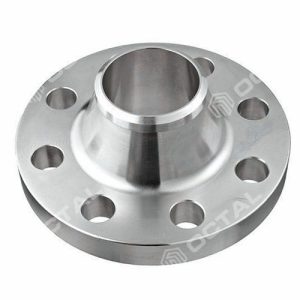
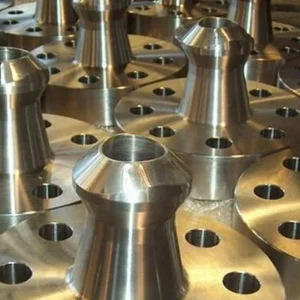
Forged Flanges are important piping components used to connect pipes, valves, pumps, and other equipment in industrial systems. Manufactured through a forging process, these flanges are shaped from metal to meet specified dimensions and engineering requirements. Their suitability for a particular application depends on material grade, flange design, pressure class, temperature, connection type, and applicable standards.
Industries such as oil and gas, petrochemicals, power generation, water treatment, manufacturing, and general engineering may require flanges for piping connections and equipment installation. Selecting the correct forged flange is essential for connection compatibility, safe operation, and long-term maintenance.
Masiva Metals provides a point of contact for industrial metal product enquiries. Buyers should confirm product availability, specifications, materials, and applicable documentation directly before placing an order.
Forged Flanges
Forged Flanges are used to create bolted connections between compatible piping components and equipment. They are available in different designs and material grades to meet varying engineering requirements.
- Connection requirements: Identify the required flange type, facing, dimensions, and mating components.
- Material selection: Choose a suitable material based on corrosion exposure, temperature, and the conveyed medium.
- Pressure class: Verify the required pressure-temperature rating against the applicable standard.
- Dimensional compatibility: Check the flange outside diameter, bolt pattern, bore, thickness, and other specified dimensions.
- Documentation: Confirm material identification, inspection records, and traceability requirements.
The term “forged” describes a manufacturing process; it does not automatically establish a particular pressure rating or performance level. The finished product must meet the applicable technical specification.
Forged Steel Flanges
Forged Steel Flanges are considered for industrial piping systems where steel components are specified for mechanical and operating requirements. The appropriate steel grade depends on the intended service, environmental conditions, and design specification.
When sourcing forged steel flanges, buyers should verify:
- The specified steel grade and material requirements.
- The flange type and dimensional standard.
- The required pressure class and operating temperature.
- Compatibility with the pipe and mating equipment.
- Inspection, testing, and documentation requirements.
A properly specified forged steel flange can support a suitable piping connection when it is selected, installed, and maintained according to the relevant engineering requirements. Material selection should be based on documented suitability rather than general assumptions about steel.
Stainless Steel Forged Flanges
Stainless Steel Forged Flanges may be selected for applications where corrosion resistance is an important consideration. Their performance depends on the stainless steel grade, the process medium, temperature, and environmental exposure.
Different stainless steel grades have different properties, so the grade should be stated clearly in the purchase specification.
- Identify the required stainless steel grade.
- Check chemical compatibility with the conveyed medium.
- Confirm the pressure class, flange facing, and dimensions.
- Review the requirements for material certificates and inspection.
- Consider compatibility with adjoining pipe and equipment materials.
Stainless steel does not resist every corrosive condition. For critical applications, material selection should be reviewed by a qualified engineer using the actual operating conditions and applicable technical documentation.
Industrial Forged Flanges
Industrial Forged Flanges are used in a range of piping and equipment assemblies where a specified flanged connection is required. The product design must match the system’s engineering and operating requirements.
Industrial buyers should consider several factors before purchasing:
- Application: Determine whether the flange will connect pipes, valves, pumps, or other equipment.
- Operating conditions: Confirm pressure, temperature, vibration, and environmental exposure.
- Dimensions: Match the flange to the approved drawing and mating component.
- Material: Select a grade suitable for the intended service.
- Quality requirements: Identify the inspection and documentation required for acceptance.
Using a consistent specification helps engineering, procurement, and installation teams work from the same requirements and reduces the risk of ordering incompatible components.
Forged Pipe Flanges
Forged Pipe Flanges are used to connect compatible piping sections and equipment. Depending on the design, a flange may be welded to a pipe, attached through another specified connection, or incorporated into a component assembly.
Common flange designs include weld neck, slip-on, socket weld, threaded, blind, and other configurations, depending on the applicable standard and product range.
Before ordering forged pipe flanges:
- Specify the flange type and nominal pipe size.
- Identify the applicable dimensional standard.
- Confirm the pressure class and facing type.
- Check the material grade and required documentation.
- Verify the bolt-hole arrangement and mating connection.
The correct flange design should be chosen according to the piping system’s design conditions and engineering requirements.
High Pressure Forged Flanges
High Pressure Forged Flanges are specified for applications that require flanged components suitable for defined pressure and temperature conditions. The phrase “high pressure” alone is not a sufficient technical specification; the actual rating must be confirmed.
Buyers should review:
- The required pressure class or rating.
- The operating temperature and pressure range.
- The material grade and relevant mechanical requirements.
- The flange design, facing, and dimensions.
- The applicable standard and required inspection records.
A flange’s allowable operating conditions depend on the material, design, standard, and temperature. Do not assume a flange is suitable for high-pressure service based solely on its manufacturing method or product name. Engineering approval and verified documentation are essential.
Carbon Steel Forged Flanges
Carbon Steel Forged Flanges are used in industrial systems where a carbon steel material is specified. Their suitability depends on the grade, service environment, operating conditions, and applicable design requirements.
Carbon steel may be appropriate for many general industrial applications, but corrosion protection and temperature limitations must be considered for the intended service.
- Specify the required carbon steel grade.
- Verify the flange standard and pressure class.
- Confirm the connection dimensions and facing.
- Evaluate corrosion protection requirements.
- Request the material and inspection documents required by the project.
Selecting the correct carbon steel flange helps ensure compatibility with the piping design. Material and dimensional requirements should be documented clearly before procurement.
Alloy Steel Forged Flanges
Alloy Steel Forged Flanges may be specified for applications requiring particular material properties under defined operating conditions. The appropriate alloy depends on factors such as temperature, pressure, mechanical requirements, and the process environment.
Because alloy steel grades can differ substantially, buyers should identify the exact grade and governing specification rather than relying on the broad term “alloy steel.”
Key considerations include:
- The required alloy grade and material standard.
- Operating pressure and temperature.
- Flange dimensions, facing, and pressure class.
- Compatibility with adjoining components.
- Required material certificates and inspection records.
For demanding services, the flange should be evaluated against the system’s engineering specification and applicable code requirements.
Forged Flanges Manufacturer
When evaluating a Forged Flanges Manufacturer, industrial buyers should focus on technical capability, product specifications, quality documentation, and the ability to meet the required configuration. A supplier’s general product description is not a substitute for verified technical information.
Before requesting a quotation, prepare the following details:
- Required flange type and quantity.
- Nominal size, pressure class, and facing.
- Material grade and applicable standard.
- Technical drawing or dimensional requirements.
- Operating conditions and intended application.
- Inspection, testing, and traceability requirements.
- Packaging and delivery destination.
Masiva Metals can be contacted through its website to discuss industrial metal product requirements. Buyers should confirm the exact product range, manufacturing details, documentation, availability, and commercial terms directly before ordering.
Forged Flanges Supplier
A Forged Flanges Supplier should help buyers clarify product specifications, order requirements, and the documentation needed for a project. This is particularly important when an order includes different flange types, materials, pressure classes, or sizes.
When assessing a supplier, consider:
- Accuracy and completeness of product specifications.
- Availability of the required flange configuration.
- Material identification and traceability documentation.
- Inspection and testing requirements.
- Packaging and product identification.
- Lead times, delivery arrangements, and commercial terms.
Masiva Metals is a potential contact for industrial metal product enquiries. Buyers should verify current availability and technical suitability directly with the company and compare quotations using equivalent specifications.
Forged Flanges Manufacturer in Italy & Belgium
Businesses searching for a Forged Flanges Manufacturer in Italy & Belgium may be sourcing components for manufacturing, industrial maintenance, and piping projects. The correct product specification should be established before comparing suppliers or requesting a quotation.
Buyers should identify the flange type, dimensions, material grade, pressure class, and applicable standard. Any project-specific inspection requirements should also be stated clearly.
For cross-border procurement, confirm the delivery destination, packaging, documentation, and expected schedule. Use the same technical specification when comparing quotations so that differences in flange configuration do not distort the price comparison.
Forged Flanges Supplier in United Arab Emirates (UAE)
A Forged Flanges Supplier in United Arab Emirates (UAE) may be considered for industrial facilities, contractors, equipment projects, and piping maintenance requirements. Product selection should account for the operating environment and the engineering requirements of the installation.
Buyers should confirm the material grade, flange type, pressure class, facing, and dimensions. Where temperature, corrosion, or demanding pressure conditions are involved, suitability must be verified against the relevant documentation.
For imported orders, clarify packaging, shipping arrangements, delivery schedules, and any project documentation needed at the destination. These checks support a smoother procurement process and help prevent the supply of mismatched components.
Forged Flanges Manufacturer in Spain
When seeking a Forged Flanges Manufacturer in Spain, buyers should define the technical requirements of the flange and the system in which it will be installed. A complete specification makes it easier to evaluate whether a proposed product meets the project requirements.
The enquiry should include the flange type, nominal size, pressure class, facing, material grade, and applicable standard. Technical drawings and inspection requirements should be supplied when necessary.
Buyers should also confirm quantities, packaging, lead times, and delivery arrangements before issuing a purchase order. Clear communication between engineering and procurement teams helps reduce specification errors.
Forged Flanges Supplier in Germany & South Korea
A Forged Flanges Supplier in Germany & South Korea may be evaluated for industrial piping, equipment installation, and maintenance projects. International procurement requires careful coordination of technical specifications and delivery requirements.
Before ordering, verify that the flange matches the mating components and the applicable project standard. Confirm the pressure class, dimensions, material grade, facing, and required documentation.
For projects involving several sites, maintaining a single approved specification can help prevent inconsistencies between orders. Buyers should also clarify inspection records, packaging, shipping terms, and expected delivery schedules for each destination.
Forged Flanges Manufacturer in Italy
Companies searching for a Forged Flanges Manufacturer in Italy should provide complete technical details before requesting a quotation. The flange must match the connection design and be appropriate for the operating conditions.
Important details include the flange type, size, material grade, pressure class, facing, and applicable standard. For critical applications, buyers should identify the required material records, testing, and inspection procedures.
Review the supplier’s proposed specification against the approved engineering documents before confirming an order. This helps ensure that the supplied flange is consistent with the intended installation and the project’s quality requirements.
Forged Flanges Supplier in Belgium
A Forged Flanges Supplier in Belgium should be evaluated according to the buyer’s technical requirements, documentation needs, and delivery expectations. The selected product must match the mating components and meet the system’s design specification.
Buyers should verify the dimensions, pressure class, material grade, facing, and relevant standard. If material certificates, inspection reports, or traceability records are required, include these in the purchase enquiry.
Confirm the product identification, quantities, packaging, and delivery schedule before finalising the order. These steps support receiving inspection and help reduce the risk of incorrect flange configurations reaching the installation site.
Forged Flanges Manufacturer in Germany
When evaluating a Forged Flanges Manufacturer in Germany, industrial buyers should prioritise documented product specifications and compliance with the applicable project requirements. The correct flange must be selected according to the design of the piping system and its operating conditions.
A purchasing specification should include the flange type, nominal size, material grade, pressure class, facing, and dimensional standard. Where applicable, identify the required inspection and material documentation.
Before accepting the supplied product, verify it against the purchase order and approved drawings. This process helps maintain consistency between engineering, procurement, and installation.
Forged Flanges Supplier in Vietnam & Philippines
A Forged Flanges Supplier in Vietnam & Philippines may be relevant to buyers sourcing components for manufacturing, industrial maintenance, or piping projects. Product selection and international logistics should be planned together.
Buyers should specify the flange type, dimensions, material grade, pressure class, and applicable standard. If multiple flange configurations are needed, list each separately to avoid confusion.
Confirm the required documentation, packaging, shipping terms, and expected transit times. A complete purchase specification helps the supplier understand the requirement and supports more efficient receiving and inspection at the destination.
Forged Flanges Manufacturer in Saudi Arabia & UAE
Businesses searching for a Forged Flanges Manufacturer in Saudi Arabia & UAE should consider both the technical requirements and the conditions in which the flange will operate. Material selection, pressure class, temperature, and corrosion exposure can affect product suitability.
Buyers should provide the relevant drawings and specifications, including flange type, size, facing, material grade, and applicable standard. For critical piping systems, verify the required documentation and obtain engineering approval.
When procurement covers multiple destinations, confirm shipping arrangements, delivery schedules, and project documentation for each location. Consistent specifications help support purchasing control across different sites.
Forged Flanges Exporter in Italy & Belgium
A Forged Flanges Exporter in Italy & Belgium may be considered by buyers coordinating international industrial component procurement. Export planning should include the technical product specification as well as packaging, identification, shipping, and documentation requirements.
Before shipment, confirm that the supplied flanges match the agreed dimensions, pressure class, material grade, and quantity. Verify any required inspection records and documents for transport or project acceptance.
Clear communication between the buyer, supplier, and logistics provider helps reduce avoidable delays. Product suitability should remain the priority throughout the purchasing and delivery process.
How to Choose the Right Forged Flanges
Choosing the correct Forged Flanges requires more than selecting a size. The product must meet the piping system’s engineering requirements and be compatible with the connected components.
- Identify the flange type: Determine whether the project requires a weld neck, slip-on, socket weld, threaded, blind, or another specified design.
- Confirm the standard: Check the applicable dimensional and design standard in the project documentation.
- Select the material grade: Consider corrosion exposure, temperature, pressure, and the conveyed medium.
- Verify the pressure class: Use the relevant standard’s pressure-temperature requirements rather than relying on a general product description.
- Check the dimensions: Confirm the bore, outside diameter, thickness, bolt-hole pattern, facing, and other required dimensions.
- Review documentation: Identify material certificates, inspection reports, and traceability requirements.
- Confirm compatibility: Ensure the flange matches the pipe, gasket, bolts, and mating flange.
- Plan installation: Follow approved procedures for alignment, gasket placement, and bolt tightening.
These steps help buyers reduce the risk of ordering incompatible flanges and support a more controlled procurement process.
Installation and Maintenance of Forged Flanges
Proper installation and maintenance are important for the performance of a flanged connection. Even a correctly specified flange can fail to perform as intended if it is installed incorrectly or used outside its documented limits.
- Inspect the flange faces and connection surfaces for damage or contamination.
- Confirm the flange dimensions and facing match the mating components.
- Use the gasket type specified for the application.
- Check that the bolts and nuts meet the project requirements.
- Follow the approved bolt-tightening sequence and procedure.
- Avoid forcing misaligned pipework into position using flange bolts.
- Inspect connections according to the maintenance plan.
- Depressurise and isolate the system before undertaking maintenance.
For pressure-containing systems, follow applicable safety procedures, engineering standards, and manufacturer instructions. Never assume that a forged flange is suitable for every pressure or temperature simply because of its manufacturing method.
Common Applications of Forged Flanges
Forged flanges may be used in a variety of industrial systems when the design and material meet the required specifications.
- Oil and gas: Piping and equipment connections selected according to the project’s applicable standards.
- Petrochemical facilities: Connections where material and operating conditions require careful verification.
- Power generation: Flanged connections for specified plant piping and equipment.
- Water treatment: Suitable flanged joints in compatible water and utility systems.
- Manufacturing plants: Connections for industrial process lines and equipment.
- General engineering: Equipment and piping assemblies requiring a specified flange connection.
The appropriate flange depends on the actual service conditions, material grade, dimensions, and applicable engineering requirements.
Why Consider Masiva Metals for Forged Flanges?
Masiva Metals can be contacted to discuss industrial metal product requirements and clarify the flange specifications relevant to a project. Buyers should prepare the technical details before requesting a quotation to help ensure that the proposed product can be assessed accurately.
For your enquiry, include:
- Required flange type and quantity.
- Nominal size and applicable dimensional standard.
- Material grade and pressure class.
- Facing and connection requirements.
- Technical drawings and operating conditions.
- Inspection, testing, and documentation needs.
- Delivery destination and target date.
Visit https://www.masivametal.com/ to enquire about Forged Flanges and other industrial metal components. Confirm current product availability, technical suitability, pricing, and delivery terms directly with Masiva Metals before placing an order.
Frequently Asked Questions (FAQs)
What are Forged Flanges?
Forged Flanges are flanged components formed using a forging process and manufactured to specified dimensions and material requirements. They are used to create compatible connections between piping components and equipment.
What are the common types of forged flanges?
Common flange types include weld neck, slip-on, socket weld, threaded, and blind flanges, among others. The appropriate type depends on the system design and applicable standard.
Which materials are used for forged flanges?
Depending on the specification, materials may include carbon steel, stainless steel, and alloy steel. The correct grade depends on operating conditions, corrosion exposure, and engineering requirements.
Are forged flanges suitable for high-pressure applications?
Some forged flanges may be suitable for defined high-pressure applications, but suitability must be verified against the product’s material, design, pressure class, temperature, and applicable standard.
What details are needed to order forged flanges?
Buyers should provide the flange type, size, pressure class, facing, material grade, applicable standard, quantity, delivery destination, and any required inspection or material documentation.
Why is material selection important?
The material influences corrosion resistance, mechanical properties, and suitability for the operating environment. Selecting the correct grade helps meet the requirements of the intended service.
Where can I enquire about Forged Flanges from Masiva Metals?
Visit https://www.masivametal.com/ to contact Masiva Metals and confirm product specifications, availability, pricing, and delivery arrangements.
Conclusion: Enquire About Forged Flanges from Masiva Metals
Forged Flanges play an important role in industrial piping and equipment connections. Choosing the right product requires attention to flange type, material grade, pressure class, dimensions, applicable standards, and the operating environment.
For your next industrial project, prepare the technical specifications and contact Masiva Metals to discuss your requirements. Visit https://www.masivametal.com/ to enquire about Forged Flanges and other industrial piping components. Verify all technical and commercial details before placing your order.