Description
Lateral Tee: Manufacturer, Supplier, Applications, Benefits and Selection Guide
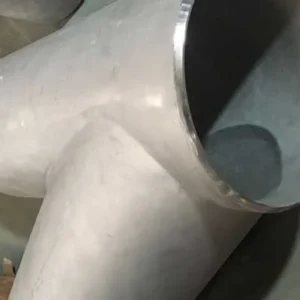
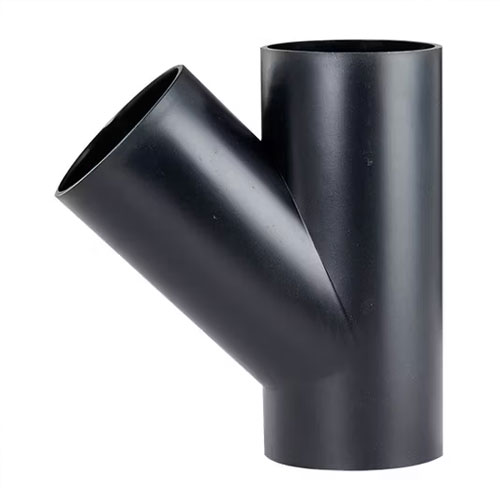
A Lateral Tee is a specialized pipe fitting used to create a branch connection from a main piping line, generally with the branch positioned at an angled orientation rather than the conventional 90-degree arrangement of a standard tee. This geometry can be useful when piping designers need to manage flow direction, reduce abrupt directional changes, or create a more suitable connection within a complex piping layout. Lateral tees can be manufactured from materials such as carbon steel, stainless steel, and alloy steel depending on the application, operating conditions, and project specifications. For industrial piping systems, selecting the correct dimensions, material, connection type, wall thickness, and manufacturing quality is essential for reliable installation and service.
Lateral Tee
A Lateral Tee is designed to connect a branch pipe to a main pipe while creating an angled branch connection. Its geometry differentiates it from a conventional straight tee and makes it useful for selected process and industrial piping configurations.
- Provides a branch connection from a primary pipeline.
- Features an angled branch arrangement.
- Can be manufactured for different pipe sizes and configurations.
- Suitable for customized industrial piping layouts.
- Can be produced from different engineering materials.
- Supports welded piping systems.
- Can be incorporated into prefabricated pipe assemblies.
- Requires accurate dimensional control during fabrication.
- Material selection should consider the operating environment.
- The appropriate configuration should be determined from the approved piping design.
- Branch orientation should be checked before installation.
- Wall thickness should correspond with the piping system requirements.
The exact suitability of a lateral tee depends on factors such as pressure, temperature, fluid characteristics, pipe size, flow requirements, stress conditions, and applicable project specifications.
Lateral Tee Fitting
A Lateral Tee Fitting provides a practical method for branching a piping system at an angle. It can be used when a piping layout requires a directional branch rather than the straight branch configuration associated with a conventional tee.
- Helps create an angled branch connection.
- Can simplify selected piping arrangements.
- Suitable for process and utility piping.
- Can be manufactured in customized dimensions.
- Supports different material requirements.
- Can be integrated with butt-welded piping systems.
- Provides flexibility in complex piping layouts.
- Requires accurate branch alignment.
- Should be selected according to the required pipe dimensions.
- End preparation should match the adjoining piping.
- Weld quality is important for fabricated or welded connections.
- Inspection requirements should be established before manufacturing.
Lateral tee fittings are especially useful when the branch direction is an important part of the overall piping layout. The fitting should be selected based on engineering requirements rather than simply by nominal pipe size.
Lateral Tee Pipe Fitting
A Lateral Tee Pipe Fitting is used to introduce a branch into a pipeline while maintaining an angled branch geometry. This type of fitting can be valuable in systems where equipment positioning, piping routing, flow requirements, or space restrictions influence the branch connection.
- Suitable for customized piping arrangements.
- Available in different material options.
- Can be designed for various pipe diameters.
- Can be incorporated into industrial piping networks.
- Useful in process piping and utility systems.
- Supports welded installation.
- Can be manufactured according to project drawings.
- Requires accurate branch dimensions.
- Requires proper alignment during installation.
- Surface finish can be selected according to the application.
- Material compatibility should be verified before ordering.
For critical applications, the design engineer should verify that the selected lateral tee is appropriate for the pressure, temperature, flow, and mechanical requirements of the system.
Lateral Tee Manufacturer
Choosing an experienced Lateral Tee Manufacturer is important when a project requires accurate branch geometry, consistent dimensions, reliable material control, and dependable fabrication.
- Manufacturing capabilities should match the required pipe size.
- The manufacturer should understand industrial pipe fitting fabrication.
- Raw materials should be appropriately identified.
- Cutting and forming operations should be controlled.
- Weld preparation should be consistent.
- Branch alignment should be checked.
- Dimensional inspection should be part of quality control.
- Material requirements should be confirmed before production.
- Inspection and testing should be performed according to project requirements.
- Packaging should protect fittings during storage and transportation.
- Technical drawings should be reviewed before manufacturing.
A capable manufacturer should also be able to communicate clearly about material availability, dimensional requirements, inspection documentation, production schedules, packaging, and delivery.
Lateral Tee Supplier
A dependable Lateral Tee Supplier should provide more than the physical fitting. Industrial buyers often require technical coordination, material confirmation, inspection documentation, packaging, and reliable delivery.
- Confirm the required pipe size.
- Confirm branch size and orientation.
- Specify the required material.
- Provide wall thickness requirements.
- Share approved drawings where available.
- Define end connection requirements.
- Specify inspection requirements.
- Confirm required quantity.
- Establish packaging expectations.
- Coordinate delivery requirements.
- Verify product identification before dispatch.
For international industrial projects, supplier coordination becomes particularly important because incorrect dimensions or incomplete documentation can cause delays during installation.
Stainless Steel Lateral Tee
A Stainless Steel Lateral Tee can be selected when stainless steel construction is required because of corrosion considerations, process conditions, cleanliness requirements, or material compatibility.
- Suitable for applications requiring stainless steel construction.
- Can be used in selected process piping systems.
- Offers corrosion resistance associated with appropriate stainless steel grades.
- Can be manufactured with different branch dimensions.
- Supports customized piping arrangements.
- Requires suitable welding procedures.
- Surface contamination should be controlled during fabrication.
- Material grade should be confirmed before manufacturing.
- Surface finish may be specified according to the application.
- Storage should protect the component from contamination and damage.
Stainless steel selection should always be based on the actual service conditions. Different stainless steel grades have different chemical, mechanical, and corrosion-resistance characteristics.
Carbon Steel Lateral Tee
A Carbon Steel Lateral Tee can be used for many general industrial piping applications where carbon steel is compatible with the operating environment.
- Suitable for numerous industrial piping systems.
- Offers practical fabrication characteristics.
- Can be produced in customized configurations.
- Suitable for selected process and utility applications.
- Can be integrated with carbon steel piping.
- Requires suitable welding procedures.
- Surface protection may be required depending on the environment.
- Material grade should be specified according to the project.
- Wall thickness should match the piping design.
- Inspection requirements should be determined before production.
Carbon steel is widely used in industrial construction, but the final material selection should consider fluid chemistry, temperature, pressure, corrosion allowance, and applicable engineering requirements.
Alloy Steel Lateral Tee
An Alloy Steel Lateral Tee may be selected for applications where enhanced material characteristics are required compared with conventional carbon steel.
- Suitable for selected high-temperature or demanding services.
- Can be manufactured according to project-specific requirements.
- Material grade should be specified clearly.
- Welding procedures should be compatible with the selected alloy steel.
- Heat treatment requirements may apply depending on material and project specifications.
- Dimensional inspection remains essential.
- Material traceability may be required for critical applications.
- Surface condition should be checked before installation.
- Compatibility with adjoining piping should be verified.
- Engineering approval should be obtained for critical service.
Because alloy steels cover many different material compositions, the specific grade should always be established before manufacturing.
Butt Weld Lateral Tee
A Butt Weld Lateral Tee is designed for integration into piping systems using butt-welding connections. Butt-welded fittings can provide a continuous welded piping arrangement when properly installed.
- Designed for butt-welded piping systems.
- Provides an angled branch connection.
- Supports permanent welded installation.
- Requires accurate pipe and fitting alignment.
- End preparation should be compatible with the adjoining pipe.
- Welding procedures should correspond to the material.
- Weld inspection can be performed according to project requirements.
- Suitable for many industrial piping configurations.
- Can be incorporated into prefabricated piping assemblies.
- Requires proper installation procedures.
For high-pressure and critical-service applications, the complete welded joint and piping design should be reviewed according to the applicable engineering requirements.
Industrial Lateral Tee
An Industrial Lateral Tee is used in selected industrial piping systems where an angled branch is beneficial to the overall piping arrangement.
- Process plants can use lateral branch connections in customized layouts.
- Water and utility systems may incorporate suitable lateral configurations.
- Chemical facilities may require material-specific lateral fittings.
- Manufacturing plants can use fittings around equipment and process areas.
- Infrastructure projects may require customized branch arrangements.
- Fabrication yards can integrate lateral tees into prefabricated piping.
- Power-related installations may use specialized branch configurations.
- Industrial maintenance projects may require replacement or customized fittings.
- Material selection should match the service conditions.
- Engineering review is important for critical piping systems.
The fitting should be selected according to the complete system design rather than solely on the basis of its nominal dimensions.
Lateral Tee Manufacturer in Italy & Belgium
A Lateral Tee Manufacturer in Italy & Belgium may serve industrial buyers requiring angled branch fittings for process plants, utility systems, infrastructure, and customized piping projects.
- Confirm pipe size and branch size.
- Specify the required material.
- Provide the required branch angle.
- Confirm wall thickness.
- Review connection requirements.
- Establish inspection requirements.
- Confirm packaging and delivery requirements.
- Use approved drawings where applicable.
Lateral Tee Supplier in United Arab Emirates (UAE)
A Lateral Tee Supplier in United Arab Emirates (UAE) can support industrial projects requiring branch fittings for piping networks, utilities, process systems, and infrastructure.
- Product dimensions should be confirmed before production.
- Material compatibility should be reviewed.
- Branch orientation should be clearly defined.
- Weld preparation should match the installation requirements.
- Inspection documentation should be established in advance.
- Packaging should protect fittings during transportation.
- Delivery planning should align with the project schedule.
Lateral Tee Manufacturer in Spain
A Lateral Tee Manufacturer in Spain can support projects that require customized angled branch fittings for industrial piping systems.
- Technical drawings should be reviewed carefully.
- Pipe and branch dimensions should be confirmed.
- Material grade should be specified.
- End preparation should be clearly defined.
- Welding requirements should be established.
- Dimensional inspection should be completed before dispatch.
- Packaging should protect finished components.
Lateral Tee Supplier in Germany & South Korea
A Lateral Tee Supplier in Germany & South Korea can coordinate the supply of customized piping components for industrial projects.
- Confirm the required dimensions.
- Verify the material requirements.
- Establish quality documentation requirements.
- Confirm inspection expectations.
- Coordinate packaging for international transportation.
- Maintain clear product identification.
- Align delivery schedules with project requirements.
Lateral Tee Manufacturer in Italy
A Lateral Tee Manufacturer in Italy can support industrial customers requiring customized lateral fittings for engineered piping applications.
- Confirm nominal pipe size.
- Confirm branch dimensions.
- Specify material.
- Define branch orientation.
- Confirm wall thickness.
- Establish end preparation.
- Review inspection requirements.
- Confirm quantity and delivery requirements.
Lateral Tee Supplier in Belgium
A Lateral Tee Supplier in Belgium can provide angled branch fittings for industrial piping applications when product dimensions and material requirements are clearly defined.
- Technical specifications should be confirmed before production.
- Material identification should be maintained.
- Branch geometry should match the approved drawing.
- Weld preparation should be checked.
- Finished dimensions should be verified.
- Packaging should protect fittings during transportation.
Lateral Tee Manufacturer in Germany
A Lateral Tee Manufacturer in Germany can support engineered piping requirements involving customized branch fittings.
- Approved drawings should guide production.
- Material requirements should be documented.
- Branch angle should be verified.
- Dimensional tolerances should be established.
- Welding requirements should be reviewed.
- Inspection procedures should be agreed upon.
- Final products should be checked before dispatch.
Lateral Tee Supplier in Vietnam & Philippines
A Lateral Tee Supplier in Vietnam & Philippines can support industrial piping projects that require customized angled branch fittings.
- Confirm pipe and branch sizes.
- Define the required material.
- Specify the branch angle.
- Confirm wall thickness.
- Establish connection details.
- Review quality requirements.
- Coordinate international packaging.
- Confirm delivery schedules.
Lateral Tee Manufacturer in Saudi Arabia & UAE
A Lateral Tee Manufacturer in Saudi Arabia & UAE can support industrial, utility, infrastructure, and process piping projects requiring customized lateral branch connections.
- Review the operating environment.
- Confirm material compatibility.
- Specify the pipe and branch dimensions.
- Define the branch angle.
- Confirm end preparation.
- Establish inspection requirements.
- Consider surface protection where appropriate.
- Coordinate packaging and delivery requirements.
Lateral Tee Supplier in Italy & Belgium
A Lateral Tee Supplier in Italy & Belgium should be able to coordinate technical specifications and customized supply requirements for industrial piping projects.
- Provide drawings whenever available.
- Confirm material and dimensions.
- Specify quantity.
- Confirm branch orientation.
- Establish inspection requirements.
- Confirm packaging requirements.
- Coordinate shipping documentation.
- Verify product details before installation.
Applications of Lateral Tee
Lateral tees can be used in several industries where an angled branch connection is beneficial to the piping arrangement.
- Process industries: Used for selected process piping layouts.
- Chemical plants: Suitable when the selected material is compatible with the process medium.
- Oil and gas facilities: Can be incorporated into engineered piping systems.
- Water treatment: Used in suitable water and utility piping configurations.
- Power plants: May be applied in selected utility and process systems.
- Petrochemical facilities: Can support customized branch arrangements.
- Mining operations: Suitable for selected process and utility piping.
- Manufacturing plants: Useful for equipment-connected piping systems.
- Infrastructure projects: Can be incorporated into customized pipeline layouts.
- Industrial utilities: Suitable for selected compressed air, water, and other utility systems.
The exact application should be evaluated by considering the fluid, pressure, temperature, pipe size, material, flow behavior, and applicable design requirements.
Benefits of Lateral Tee
A properly selected lateral tee can provide several practical benefits in industrial piping design.
- Creates an angled branch connection.
- Provides flexibility in complex piping layouts.
- Can help route branch piping around equipment and structures.
- Supports customized piping arrangements.
- Available in different material options.
- Can be produced in various dimensions.
- Suitable for welded piping systems.
- Can be incorporated into prefabricated assemblies.
- Supports project-specific branch configurations.
- Can simplify certain piping routing challenges.
- Provides a compact solution for selected branch arrangements.
- Can be manufactured according to approved drawings.
The benefits depend on correct engineering design and installation. A lateral tee should not be selected solely because its geometry appears suitable for a particular layout.
Lateral Tee Manufacturing Process
A controlled manufacturing process is important for producing a reliable lateral tee with consistent geometry and dimensions.
1. Engineering Review
- Review the customer drawing.
- Confirm pipe size and branch size.
- Verify the branch angle.
- Confirm wall thickness.
- Review material specifications.
- Establish inspection requirements.
2. Material Selection
- Select the required material.
- Verify material identification.
- Check material condition.
- Confirm material documentation where required.
3. Cutting and Preparation
- Prepare the required pipe sections or material.
- Mark dimensions accurately.
- Perform controlled cutting.
- Prepare connection ends.
- Check dimensions before assembly.
4. Branch Fabrication
- Position the branch section accurately.
- Confirm the required lateral angle.
- Check the intersection geometry.
- Prepare the joint for welding.
5. Welding
- Use a suitable welding process.
- Follow the applicable welding procedure.
- Control distortion.
- Maintain correct alignment.
- Complete the required weld joints.
6. Inspection
- Verify overall dimensions.
- Check branch angle.
- Inspect weld areas.
- Confirm end preparation.
- Perform additional testing where specified.
7. Finishing
- Remove unwanted sharp edges or weld spatter where applicable.
- Perform required surface treatment.
- Clean the component appropriately.
- Protect finished surfaces.
8. Final Packaging
- Protect connection ends.
- Use suitable packing materials.
- Mark the fitting clearly.
- Prepare the component for safe transportation.
Factors to Consider When Selecting a Lateral Tee
Several technical factors should be considered before purchasing a lateral tee.
- Pipe diameter: Confirm the main pipe size.
- Branch diameter: Ensure the branch matches the intended connection.
- Branch angle: Specify the required angle accurately.
- Wall thickness: Check compatibility with the piping system.
- Material grade: Select according to operating conditions.
- Pressure: Verify suitability for the system design pressure.
- Temperature: Consider operating and design temperatures.
- Fluid: Check chemical compatibility.
- Corrosion: Consider corrosion resistance and allowance.
- Connection type: Confirm butt-weld or another required connection.
- Flow: Evaluate the branch geometry as part of the piping design.
- Space: Consider installation and maintenance clearance.
- Inspection: Establish quality and testing requirements.
- Surface finish: Specify requirements where relevant.
- Documentation: Confirm material and inspection documents required by the project.
Quality Control for Lateral Tee
Quality assurance is important when manufacturing industrial pipe fittings.
- Raw material verification.
- Material identification.
- Dimensional inspection.
- Branch angle verification.
- Wall thickness verification.
- End preparation inspection.
- Weld quality inspection.
- Surface inspection.
- Marking verification.
- Final dimensional checks.
- Documentation review.
- Packaging inspection before dispatch.
For critical applications, the inspection plan should be agreed upon before production so that all required testing and documentation can be incorporated into the manufacturing process.
Installation Considerations for Lateral Tee
Proper installation helps ensure that the fitting integrates correctly with the piping system.
- Check the fitting dimensions before installation.
- Confirm branch orientation against the piping drawing.
- Ensure connecting pipes are correctly aligned.
- Do not force the piping into an incorrectly positioned fitting.
- Follow the approved welding procedure.
- Maintain proper pipe supports.
- Avoid unnecessary loads on the fitting.
- Protect surfaces from contamination.
- Inspect completed welds where required.
- Conduct pressure or system testing according to the applicable project procedure.
The piping contractor should follow the project’s approved installation, welding, inspection, and commissioning procedures.
Why Choose Masiva Metal for Lateral Tee?
Masiva Metal supports industrial customers looking for fabricated metal and piping components according to project-specific requirements. For Lateral Tee requirements, customers can provide technical drawings, material specifications, pipe dimensions, branch dimensions, angles, quantities, inspection requirements, and delivery information for review.
- Customized manufacturing support.
- Project-specific dimensional requirements.
- Material-focused manufacturing.
- Controlled fabrication processes.
- Attention to branch geometry.
- Dimensional quality checks.
- Support for industrial piping applications.
- Suitable packaging for transportation.
- Coordination for international customers.
- Focus on customer-specific requirements.
Providing complete technical information at the quotation stage can help reduce errors and ensure that the final fitting matches the intended piping arrangement.
Frequently Asked Questions About Lateral Tee
What is a Lateral Tee?
A lateral tee is a pipe fitting used to create a branch connection from a main pipeline, with the branch positioned at an angle rather than in the conventional straight 90-degree configuration.
What is the main purpose of a lateral tee?
Its primary purpose is to create an angled branch connection within a piping system. This can be useful for routing branch piping according to the overall plant or pipeline layout.
What is the difference between a lateral tee and a regular tee?
A regular tee generally has a branch arranged at approximately 90 degrees to the main run. A lateral tee uses an angled branch configuration, which can provide different routing and flow characteristics.
Can a lateral tee be manufactured from stainless steel?
Yes. Stainless steel can be used when the selected grade is appropriate for the application. The grade should be chosen according to fluid chemistry, temperature, corrosion requirements, and project specifications.
Can carbon steel be used for a lateral tee?
Yes. Carbon steel lateral tees are suitable for many industrial applications when the material is compatible with the service conditions.
What is a Butt Weld Lateral Tee?
A butt weld lateral tee is designed to connect to adjoining pipes through butt-welded joints. It is commonly incorporated into welded industrial piping systems.
Can lateral tees be customized?
Yes. Depending on manufacturing feasibility, lateral tees can be customized for pipe size, branch size, angle, wall thickness, material, and connection requirements.
What information is required for a lateral tee quotation?
Customers should ideally provide main pipe size, branch size, material grade, wall thickness, branch angle, connection type, quantity, drawings, inspection requirements, and delivery location.
Are lateral tees suitable for high-pressure applications?
Suitability depends on the specific design, material, dimensions, wall thickness, manufacturing method, applicable code, and operating conditions. High-pressure applications require appropriate engineering evaluation.
How should the material be selected?
Material should be selected according to pressure, temperature, fluid chemistry, corrosion conditions, mechanical requirements, welding considerations, and applicable project specifications.
Can Masiva Metal supply customized lateral tees?
Masiva Metal can support customized industrial piping component requirements. Customers can provide their technical specifications or drawings for review and quotation.
Conclusion
A Lateral Tee is a specialized piping component that provides an angled branch connection and can offer useful flexibility in industrial piping layouts. Compared with a conventional straight tee, its angled branch configuration can be advantageous when piping must be routed around equipment, structures, process units, or other installation constraints. The fitting can be manufactured in materials such as carbon steel, stainless steel, and alloy steel according to project requirements.
Successful selection depends on more than pipe diameter. Buyers should consider branch angle, wall thickness, material grade, pressure, temperature, fluid compatibility, connection type, inspection requirements, and installation conditions. Manufacturing accuracy is equally important because branch geometry and dimensional alignment directly affect fit-up during installation.
For customized Lateral Tee requirements, Masiva Metal can work with customers on product dimensions, materials, branch configurations, inspection requirements, quantities, and delivery specifications. Contact Masiva Metal with your approved drawing or technical requirements to discuss the appropriate manufacturing solution.