Description
Long Radius Mitered Pipe Bends: Manufacturing, Applications, Benefits and Selection Guide
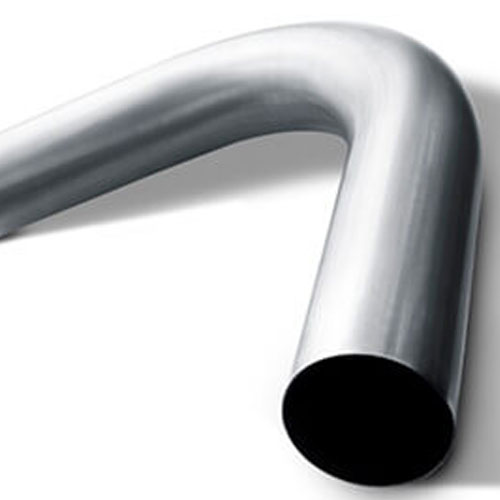
Long Radius Mitered Pipe Bends are engineered pipe components used to change the direction of piping systems while maintaining a practical flow path and providing flexibility for customized industrial layouts. These bends are fabricated by joining accurately prepared pipe sections at calculated angles to achieve the required directional change and radius. Depending on project requirements, they can be manufactured from suitable carbon steel, stainless steel, alloy steel, or other engineering materials. For industrial piping applications where dimensions, connection details, material selection, fabrication accuracy, and surface quality are important, choosing an experienced manufacturer and supplier can help support reliable installation and long-term service.
Long Radius Mitered Pipe Bends
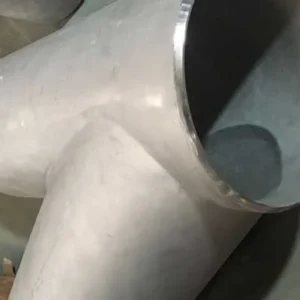
Long Radius Mitered Pipe Bends are fabricated components designed for directional changes in piping networks. Their construction makes them suitable for projects where standard elbow configurations may not provide the required geometry or where a customized bend arrangement is preferred.
- Designed for directional changes in industrial piping systems.
- Manufactured according to project-specific dimensional requirements.
- Suitable for fabricated piping assemblies and customized layouts.
- Can be produced in different materials depending on operating conditions.
- Appropriate for process piping, utility piping, water systems, industrial plants, and infrastructure applications.
- Proper engineering review is important before selecting the bend configuration.
- Dimensional accuracy helps support easier fit-up and installation.
- Weld preparation should be controlled carefully during fabrication.
- The required bend radius and angle should be established from project drawings.
- Material compatibility should be considered according to the transported medium and operating environment.
Long-radius configurations can be particularly useful when a project requires a more gradual directional transition. The final geometry should always be selected according to the piping design, flow requirements, available space, operating pressure, temperature, and applicable project specifications.
Long Radius Mitered Pipe Bend
A Long Radius Mitered Pipe Bend is typically fabricated from multiple pipe segments that are cut at calculated angles and joined together. This construction approach provides manufacturers with flexibility when producing larger or customized directional components.
- Fabrication begins with suitable pipe or plate-based components depending on the required construction.
- Accurate marking and cutting are important for achieving the intended geometry.
- Individual sections are prepared for welding.
- Weld joints must be aligned properly before final welding.
- The finished bend should be checked for dimensional conformity.
- The connection ends should match the requirements of the adjoining piping.
- The bend radius should be verified against the engineering drawing.
- Surface condition should be inspected after fabrication.
- Welded areas may require appropriate inspection depending on project requirements.
- Final packaging should protect machined or prepared surfaces during transportation.
The benefit of fabricated construction is that it can accommodate requirements that may not be readily available through standard fittings. However, because the component is fabricated, engineering and manufacturing accuracy are especially important.
Long Radius Miter Bend
A Long Radius Miter Bend provides a practical solution for changing piping direction when a fabricated bend is preferred over a conventional fitting. Its long-radius geometry can provide a smoother directional transition compared with a sharp change in direction.
- Useful for customized piping arrangements.
- Can be fabricated for different directional angles.
- Suitable for large-diameter piping applications where project geometry requires customization.
- Can be adapted to specific pipe dimensions.
- Supports integration into prefabricated piping assemblies.
- Can be manufactured from materials selected for the service environment.
- Requires accurate dimensional control during production.
- The number of miter sections can depend on the design and application.
- Weld quality is an important part of the finished component.
- Engineering calculations may be required for critical applications.
For demanding systems, designers should evaluate the pressure, temperature, flow velocity, stress, support arrangement, and applicable piping code before approving a mitered configuration.
Mitered Pipe Bends
Mitered Pipe Bends are commonly associated with fabricated piping because the bend is created by joining sections rather than forming a single seamless curved fitting. This allows manufacturers to create customized angles, dimensions, and configurations.
- Suitable for customized industrial piping.
- Can accommodate project-specific centerline dimensions.
- Useful where conventional elbow dimensions do not match the required layout.
- Can be fabricated for different pipe sizes.
- Supports industrial plant construction and piping fabrication.
- Can be produced using different engineering materials.
- Requires accurate cutting of individual miter sections.
- Requires controlled welding procedures.
- Dimensional inspection should be completed after fabrication.
- Proper alignment helps reduce installation difficulties.
- Surface finishing can be selected according to the application.
- Packaging should prevent damage to ends and surfaces during shipping.
The engineering suitability of a mitered bend depends on the complete piping design. For high-pressure or critical-service systems, the design should be reviewed by qualified engineering personnel.
Long Radius Miter Bend Manufacturer
Selecting a capable Long Radius Miter Bend Manufacturer is important when the project requires customized dimensions, consistent fabrication, and dependable quality control.
- The manufacturer should understand industrial pipe fabrication requirements.
- Production capabilities should match the required pipe diameter and wall thickness.
- Fabrication equipment should support accurate cutting and welding.
- Dimensional inspection should form part of the manufacturing process.
- Material identification and traceability may be required for specific projects.
- Welding processes should be selected according to the material and application.
- Weld preparation should be consistent across the fabricated sections.
- Final inspection should verify critical dimensions.
- Packaging should be suitable for international transportation.
- Technical communication should be clear from quotation through delivery.
Masiva Metal can support industrial buyers looking for fabricated piping components by focusing on project requirements, dimensional accuracy, manufacturing consistency, and customer-specific requirements.
Long Radius Miter Bend Supplier
A reliable Long Radius Miter Bend Supplier should be able to coordinate product specifications, quantities, materials, dimensions, documentation, packaging, and delivery requirements.
- Product specifications should be confirmed before manufacturing.
- Required material should be clearly identified.
- Pipe size and wall thickness should be verified.
- Bend angle and radius should be confirmed.
- End preparation should correspond with the connecting pipe.
- Inspection requirements should be established before production.
- Packaging should protect components during handling and transportation.
- Export requirements should be considered for international orders.
- Delivery schedules should be aligned with project requirements.
- Communication should continue throughout the order process.
For international buyers, supplier reliability is not only about product availability. It also involves manufacturing coordination, quality documentation, packaging, logistics, and responsiveness.
Steel Long Radius Mitered Pipe Bends
Steel Long Radius Mitered Pipe Bends are widely applicable in industrial piping systems because steel can provide a combination of structural strength, fabrication flexibility, and suitability for many engineering applications.
- Carbon steel can be considered for numerous general industrial services.
- Alloy steel may be selected where enhanced material properties are required.
- Stainless steel can be selected where corrosion resistance is an important consideration.
- Material selection should be based on operating conditions.
- Wall thickness should correspond with the piping design.
- Welding compatibility should be considered before fabrication.
- Surface protection can be selected according to the operating environment.
- Proper storage is important before installation.
- Material certificates may be required for project documentation.
- Inspection requirements should be established according to the application.
The term steel covers a wide range of materials, so buyers should avoid selecting material solely based on the product name. The exact grade should be determined according to project specifications.
Stainless Steel Long Radius Mitered Pipe Bends
Stainless Steel Long Radius Mitered Pipe Bends can be used when the piping system requires stainless steel construction because of the operating environment, corrosion considerations, hygiene requirements, or material compatibility.
- Suitable for applications where stainless steel is specified.
- Can be fabricated into customized bend geometries.
- Useful in selected chemical, process, water, food, and industrial systems.
- Surface condition should be maintained during manufacturing.
- Welding procedures should be appropriate for the selected stainless steel grade.
- Contamination should be controlled during fabrication and handling.
- Finished components should be protected from unnecessary surface damage.
- Material grade should be confirmed before production.
- Dimensional checks remain important regardless of material.
- Application-specific corrosion considerations should be reviewed by the project engineer.
Stainless steel does not automatically make a component suitable for every corrosive environment. The actual material grade, fluid chemistry, temperature, concentration, and operating conditions should all be considered.
Fabricated Long Radius Miter Bends
Fabricated Long Radius Miter Bends offer flexibility for projects requiring dimensions or directional changes that may not correspond to standard elbow configurations.
- Fabrication allows customized bend angles.
- Multiple sections can be joined to achieve the required geometry.
- Suitable for large or specialized piping assemblies.
- Can be manufactured according to approved drawings.
- Provides flexibility in center-to-end dimensions.
- Supports prefabrication of industrial piping.
- Requires accurate section cutting.
- Requires controlled welding and alignment.
- Finished dimensions should be inspected.
- Weld inspection can be performed according to project requirements.
- Surface finishing can be adapted to the application.
Fabricated construction can be especially valuable in plant projects where piping layouts are designed around equipment, structural constraints, process requirements, and available installation space.
Industrial Long Radius Miter Bends
Industrial Long Radius Miter Bends are used in a wide variety of industrial piping environments where directional changes must be integrated into a larger piping system.
- Process plants may use fabricated bends within customized piping layouts.
- Water treatment facilities can require directional piping components.
- Chemical industries may require corrosion-compatible materials.
- Power-related installations can require engineered piping components.
- Oil and gas projects can involve extensive fabricated piping systems.
- Infrastructure projects may use large-diameter fabricated bends.
- Industrial utility systems can require customized routing.
- Manufacturing plants may use bends around equipment and process areas.
- Fabrication yards can incorporate mitered bends into prefabricated assemblies.
- Project-specific engineering should determine suitability for critical service.
The application should always determine the appropriate material, wall thickness, geometry, welding requirements, inspection level, and finishing requirements.
Long Radius Mitered Pipe Bends Manufacturer in Italy & Belgium
Industrial buyers searching for a Long Radius Mitered Pipe Bends Manufacturer in Italy & Belgium may require components for process plants, infrastructure, utility systems, and customized piping projects.
- Product dimensions should be based on approved drawings.
- Material requirements should be confirmed before production.
- International packaging should be considered.
- Documentation requirements should be agreed upon in advance.
- Dimensional inspection can help support installation accuracy.
- Export logistics should be coordinated according to project schedules.
Long Radius Mitered Pipe Bends Supplier in United Arab Emirates (UAE)
A Long Radius Mitered Pipe Bends Supplier in United Arab Emirates (UAE) may serve projects involving industrial facilities, utilities, water systems, infrastructure, and process piping.
- The supplier should understand project-specific requirements.
- Material selection should match the service environment.
- Components should be appropriately protected during transportation.
- Dimensional requirements should be confirmed before production.
- Delivery planning is important for project schedules.
- Inspection and documentation should be discussed before order confirmation.
Long Radius Mitered Pipe Bends Manufacturer in Spain
A Long Radius Mitered Pipe Bends Manufacturer in Spain can support projects that require customized fabricated bends for industrial and infrastructure applications.
- Approved drawings can be used as the primary manufacturing reference.
- Pipe dimensions should be confirmed carefully.
- Bend radius and angle should be specified clearly.
- Material requirements should be documented.
- Weld preparation should be controlled.
- Finished components should be inspected before dispatch.
Long Radius Mitered Pipe Bends Supplier in Germany & South Korea
A Long Radius Mitered Pipe Bends Supplier in Germany & South Korea may need to coordinate technical specifications, international delivery, quality documentation, and project-specific manufacturing requirements.
- Customized dimensions should be confirmed before quotation.
- Material requirements should be clearly defined.
- Inspection documentation should match project expectations.
- Packaging should support long-distance transportation.
- Product identification should remain clear during shipment.
- Delivery planning should account for the overall project schedule.
Long Radius Mitered Pipe Bends Manufacturer in Italy
A Long Radius Mitered Pipe Bends Manufacturer in Italy can be selected for projects requiring fabricated directional components with customized dimensions and engineering specifications.
- Confirm required pipe diameter and wall thickness.
- Specify the desired bend angle.
- Confirm the required radius.
- Provide end-connection requirements.
- Define material grade.
- Establish inspection requirements.
- Confirm packaging requirements.
- Review technical drawings before production.
Long Radius Mitered Pipe Bends Supplier in Belgium
A Long Radius Mitered Pipe Bends Supplier in Belgium can provide fabricated components for industrial piping and customized engineering projects.
- Product requirements should be documented clearly.
- Manufacturing dimensions should follow approved drawings.
- Material identification should be maintained.
- Welded areas should receive appropriate inspection.
- Packaging should protect components during transit.
- Delivery documentation should be prepared according to project requirements.
Long Radius Mitered Pipe Bends Manufacturer in Germany
A Long Radius Mitered Pipe Bends Manufacturer in Germany may be considered for engineered piping projects requiring accurate fabrication and customized bend configurations.
- Engineering drawings should be reviewed before production.
- Critical dimensions should be identified.
- Material specifications should be confirmed.
- Welding requirements should be defined.
- Inspection procedures should be established.
- Finished products should be checked before dispatch.
Long Radius Mitered Pipe Bends Supplier in Vietnam & Philippines
A Long Radius Mitered Pipe Bends Supplier in Vietnam & Philippines can support industrial piping projects requiring customized fabricated bends.
- Project-specific dimensions should be confirmed.
- Required material should be specified.
- Bend angle and radius should be documented.
- Surface requirements should be established.
- Packaging should be suitable for international shipment.
- Delivery schedules should be coordinated with the project.
Long Radius Mitered Pipe Bends Manufacturer in Saudi Arabia & UAE
A Long Radius Mitered Pipe Bends Manufacturer in Saudi Arabia & UAE can support industrial, infrastructure, utility, and process piping requirements where customized directional components are required.
- Confirm operating conditions before material selection.
- Define required dimensions accurately.
- Review the piping layout before fabrication.
- Confirm weld and inspection requirements.
- Select suitable surface protection when necessary.
- Plan packaging and logistics for the delivery destination.
- Maintain clear product identification during transportation.
Long Radius Miter Bend Supplier in Italy & Belgium
A Long Radius Miter Bend Supplier in Italy & Belgium should be able to provide clear technical communication and coordinate customized manufacturing requirements.
- Share drawings or dimensional specifications.
- Confirm material requirements.
- Define quantity and delivery requirements.
- Confirm inspection requirements.
- Review connection details.
- Establish packaging requirements.
- Coordinate dispatch documentation.
- Verify all critical dimensions before installation.
Key Applications of Long Radius Mitered Pipe Bends
Long Radius Mitered Pipe Bends can be incorporated into many industrial piping arrangements where a customized directional transition is required.
- Process piping: Used for routing pipe around equipment and process areas.
- Water treatment: Suitable for selected water and utility piping arrangements.
- Industrial utilities: Can be used in utility distribution systems.
- Chemical processing: Material selection can be adapted to compatible service conditions.
- Power-related projects: May be incorporated into engineered piping networks.
- Oil and gas infrastructure: Fabricated bends can support customized routing requirements.
- Mining and mineral processing: Can be considered for selected process and slurry-related systems when the material and design are appropriate.
- General manufacturing: Useful for customized plant piping.
- Infrastructure: Suitable for selected large-diameter or project-specific piping arrangements.
- Fabrication projects: Can be integrated into prefabricated pipe assemblies.
Benefits of Long Radius Mitered Pipe Bends
Long-radius fabricated bends can offer several practical benefits when appropriately engineered.
- Customized geometry for specific piping layouts.
- Flexibility in bend angle and radius.
- Suitable for applications where standard fittings may not meet dimensional requirements.
- Can be fabricated for different pipe sizes.
- Material flexibility based on project requirements.
- Useful for large-diameter piping.
- Can support prefabrication.
- Provides flexibility around equipment and structural obstacles.
- Can be integrated with welded piping systems.
- Allows project-specific end preparation.
- Can be manufactured according to approved drawings.
- Supports customized industrial piping solutions.
The actual performance advantage depends on the complete piping design. A long radius does not by itself guarantee reduced pressure loss or suitability for every service.
Manufacturing Process for Long Radius Mitered Pipe Bends
A controlled manufacturing process is essential for producing consistent fabricated bends.
1. Drawing and Specification Review
- Review the approved drawing.
- Confirm pipe size, wall thickness, bend angle, radius, and end details.
- Identify material requirements.
- Confirm inspection requirements.
2. Material Preparation
- Verify the selected raw material.
- Check material identification.
- Inspect the material for visible defects.
- Prepare the required sections for cutting.
3. Cutting and Miter Preparation
- Mark each section according to the approved geometry.
- Perform accurate cutting.
- Prepare weld edges where required.
- Verify dimensions before assembly.
4. Fit-Up
- Position the individual miter sections.
- Check alignment.
- Confirm the overall bend angle.
- Ensure the assembly remains within specified tolerances.
5. Welding
- Apply an appropriate welding procedure for the selected material.
- Maintain controlled heat input where required.
- Ensure proper joint preparation.
- Avoid unnecessary distortion.
6. Inspection
- Check critical dimensions.
- Inspect weld areas according to the project requirements.
- Verify end preparation.
- Check surface condition.
7. Finishing
- Remove unwanted weld spatter or sharp edges where applicable.
- Apply specified surface treatment or protection.
- Ensure the component is ready for handling.
8. Packaging
- Protect connection ends.
- Use appropriate packing materials.
- Mark products clearly.
- Prepare them for safe transportation.
Factors to Consider When Selecting Long Radius Mitered Pipe Bends
Choosing the correct bend requires more than simply selecting a nominal pipe size.
- Pipe size: Confirm the nominal diameter and actual dimensions.
- Wall thickness: Ensure compatibility with the piping design.
- Bend radius: Select according to engineering requirements.
- Bend angle: Define the exact directional change.
- Material: Choose according to fluid, temperature, pressure, corrosion, and mechanical requirements.
- End connection: Confirm whether the bend will be welded, flanged, or otherwise connected.
- Operating pressure: Critical systems require appropriate engineering verification.
- Operating temperature: Material and fabrication requirements can vary with temperature.
- Flow requirements: The piping engineer should assess flow behavior.
- Space limitations: Consider the available installation area.
- Inspection requirements: Define required testing and documentation before manufacturing.
- Surface protection: Determine whether coating, passivation, lining, or another finish is needed.
- Transportation: Consider component dimensions and shipping requirements.
Quality Control for Long Radius Mitered Pipe Bends
Quality control should cover raw materials, fabrication, welding, dimensions, finishing, and final inspection.
- Verify raw material identification.
- Confirm material documentation where required.
- Check cutting accuracy.
- Inspect miter preparation.
- Verify fit-up before welding.
- Monitor welding according to the approved procedure.
- Check dimensional tolerances.
- Inspect welds according to project requirements.
- Verify end preparation.
- Check overall bend geometry.
- Inspect surface condition.
- Confirm marking and identification.
- Protect the finished component before dispatch.
For critical industrial projects, inspection and testing requirements should be established before manufacturing begins rather than after the component has been completed.
Installation Considerations
Correct installation helps ensure that the fabricated bend performs as intended within the piping system.
- Confirm the bend dimensions before installation.
- Compare the component with the approved piping drawing.
- Check connecting pipe alignment.
- Avoid forcing pipe sections into position.
- Ensure adequate support is available.
- Follow appropriate welding procedures for field connections.
- Protect finished surfaces from contamination or damage.
- Inspect completed joints where required.
- Confirm that the system is properly supported before commissioning.
- Conduct required testing according to the applicable project procedure.
The installation team should follow the project-approved piping and welding procedures rather than relying solely on generic installation practices.
Why Choose Masiva Metal for Long Radius Mitered Pipe Bends?
Masiva Metal focuses on fabricated metal components and customized industrial requirements. For buyers looking for Long Radius Mitered Pipe Bends, the manufacturing process can be coordinated around project-specific dimensions, material requirements, connection details, inspection expectations, and delivery requirements.
- Customized fabrication support.
- Focus on dimensional accuracy.
- Material selection based on project specifications.
- Controlled cutting and welding processes.
- Suitable solutions for industrial piping applications.
- Support for customized bend geometries.
- Quality checks during fabrication.
- Packaging suitable for transportation.
- Support for international industrial buyers.
- Project-oriented manufacturing communication.
Before placing an order, customers should provide complete technical information so that the required bend configuration can be reviewed accurately.
Frequently Asked Questions About Long Radius Mitered Pipe Bends
What are Long Radius Mitered Pipe Bends?
Long Radius Mitered Pipe Bends are fabricated directional pipe components made by joining accurately cut pipe sections to create a required bend angle and radius.
What is the difference between a mitered bend and a standard elbow?
A standard elbow is generally manufactured as a formed or purpose-made fitting, while a mitered bend is fabricated by joining pipe sections at calculated angles. The appropriate choice depends on the piping design and service requirements.
Can Long Radius Mitered Pipe Bends be customized?
Yes. Fabricated bends can generally be customized for required dimensions, angles, radii, materials, and connection details, subject to engineering and manufacturing feasibility.
Which materials can be used?
Material selection depends on the application. Carbon steel, stainless steel, alloy steel, and other suitable materials may be considered depending on operating conditions and project specifications.
Are mitered bends suitable for large-diameter piping?
They can be suitable for selected large-diameter and customized piping applications. The final design should be evaluated according to pressure, temperature, flow, stress, and applicable piping requirements.
How is the bend angle determined?
The bend angle is established from the piping layout and engineering requirements. The individual miter sections are then cut and assembled to achieve the required overall geometry.
Why is radius important in a pipe bend?
The radius affects the geometry of the bend and can influence the way the pipe changes direction. The appropriate radius should be selected according to the piping design and application.
Can Masiva Metal manufacture customized bends?
Masiva Metal can support customized fabricated metal and piping component requirements. Customers should provide drawings, dimensions, material requirements, quantities, and other relevant specifications for technical review.
What information should be provided when requesting a quotation?
A quotation request should ideally include pipe size, wall thickness, material, bend angle, radius, end preparation, quantity, drawings, inspection requirements, delivery destination, and any special project requirements.
Are Long Radius Mitered Pipe Bends suitable for every piping system?
No single bend configuration is suitable for every application. Suitability depends on pressure, temperature, fluid, material, flow, stress, geometry, applicable codes, and the overall piping design.
Conclusion
Long Radius Mitered Pipe Bends provide a flexible solution for industrial piping systems that require customized directional changes. Their fabricated construction allows manufacturers to produce specific bend angles, radii, dimensions, and material configurations based on project requirements. From process piping and utilities to water treatment, infrastructure, manufacturing, and other industrial applications, these components can be incorporated into carefully engineered piping layouts.
Selecting the right manufacturer involves more than comparing product prices. Buyers should evaluate fabrication capabilities, dimensional control, material handling, welding practices, inspection procedures, documentation, packaging, and delivery support. With accurate project specifications and appropriate engineering review, fabricated bends can be integrated effectively into customized piping systems.
For customized Long Radius Mitered Pipe Bends, contact Masiva Metal with your required dimensions, material, bend angle, radius, quantity, drawings, and delivery requirements to discuss a suitable manufacturing solution.