Description
Flanged Elbow Manufacturer & Supplier – Masiva Metal
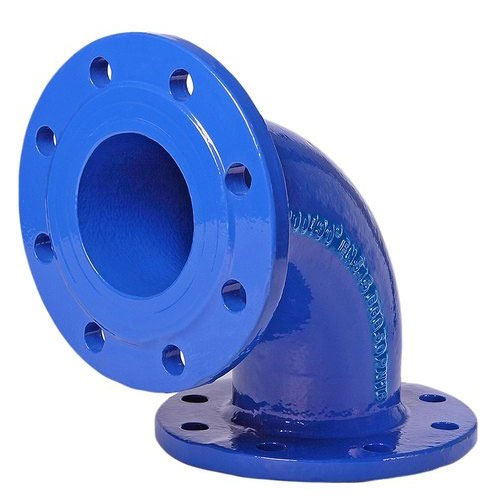
A Flanged Elbow is an important piping component designed to change the direction of fluid flow while providing an integrated flange connection for convenient installation and connection to other flanged equipment or piping components. Unlike a conventional butt-weld elbow that requires a separate welding connection at both ends, a flanged configuration provides a bolted connection at the flange end, depending on the selected design. Flanged elbows are used across industrial piping systems where directional changes, accessibility, maintenance and secure connections are important. The appropriate product must be selected according to pipe size, pressure rating, material, temperature, flange dimensions, service medium and applicable engineering requirements.
Flanged Elbow
A Flanged Elbow is used to redirect piping while providing a flange interface for connecting the fitting to another flanged component. Depending on the configuration, elbows can be designed for different directional changes such as 45° or 90°.
Key considerations include:
- Pipe diameter and wall thickness.
- Elbow angle.
- Flange size and facing.
- Pressure and temperature requirements.
- Material compatibility.
- Corrosion environment.
- Connection configuration.
- Applicable dimensional standard.
- Installation space.
- Inspection and testing requirements.
Flanged elbows can be particularly useful where bolted connections are preferred for installation or maintenance. The flange connection can allow equipment and piping sections to be disconnected without cutting and rewelding the pipe.
Flanged Elbow Fittings
Flanged Elbow Fittings combine directional flow control with a flange connection. They are commonly selected for piping arrangements where a change in direction is required near pumps, valves, tanks, vessels, equipment or other flanged piping components.
Important advantages can include:
- Convenient bolted installation.
- Easier maintenance compared with fully welded connections in suitable applications.
- Available in different angles.
- Compatibility with flanged equipment.
- Material flexibility.
- Suitable for many industrial piping arrangements.
- Potentially easier alignment during assembly.
The complete connection should be engineered as an assembly. The elbow, flange, gasket, bolts, pipe and connected equipment need to be compatible with the intended operating conditions.
Flanged Elbow Pipe Fittings
Flanged Elbow Pipe Fittings are used when a piping system requires a directional change together with a flanged connection. Their use can reduce the need for additional transition components when a direct flanged elbow arrangement is suitable.
Common selection factors include:
- Nominal pipe size.
- Outside diameter.
- Wall thickness.
- Elbow radius.
- Angular configuration.
- Flange dimensions.
- Pressure class.
- Material grade.
- Surface finish.
- End connection.
- Service temperature.
For process piping, the selected fitting should match the piping specification and design code used for the project.
Flanged Elbow Manufacturer
Selecting a Flanged Elbow Manufacturer involves more than comparing product prices. Industrial buyers should evaluate manufacturing capability, dimensional control, material consistency, inspection procedures and the manufacturer’s ability to meet project specifications.
A manufacturer may need to address:
- Raw material selection.
- Forming or fabrication.
- Flange manufacturing or integration.
- Machining.
- Dimensional inspection.
- Surface finishing.
- Marking.
- Testing.
- Documentation.
- Packaging.
For customized orders, buyers should provide complete drawings or technical specifications so the required configuration can be established before manufacturing.
Masiva Metal can be approached for industrial piping component requirements where the required size, material, configuration and project specifications need to be discussed before supply.
Flanged Elbow Supplier
A Flanged Elbow Supplier plays an important role in industrial procurement because the fitting must arrive with dimensions and specifications that correspond to the project requirements.
Before placing an order, buyers should confirm:
- Product type.
- Size.
- Material.
- Elbow angle.
- Flange dimensions.
- Pressure rating.
- Applicable standard.
- Quantity.
- Inspection requirements.
- Required documentation.
- Packaging and delivery requirements.
A detailed purchase specification reduces the possibility of receiving a fitting that does not match the connected pipe or equipment.
Stainless Steel Flanged Elbow
A Stainless Steel Flanged Elbow is commonly considered for applications where corrosion resistance, durability and cleanliness are important. Stainless steel can be suitable for a variety of process and utility systems, but the specific grade should be selected according to the service environment.
Potential application considerations include:
- Chemical exposure.
- Moisture.
- Chloride concentration.
- Operating temperature.
- Cleaning requirements.
- Fluid compatibility.
- Welding requirements.
- Mechanical loads.
Stainless steel options can be considered for chemical processing, food processing, pharmaceutical facilities, water treatment and other applications where corrosion resistance is a significant design factor.
The correct stainless steel grade should always be determined from the project’s material specification and actual service conditions.
Carbon Steel Flanged Elbow
A Carbon Steel Flanged Elbow is commonly used in industrial piping where strength, fabrication practicality and cost considerations are important. Carbon steel can be suitable for many general industrial services when the operating conditions are compatible with the selected material.
Important considerations include:
- Operating pressure.
- Operating temperature.
- Fluid characteristics.
- Corrosion exposure.
- Coating or protection requirements.
- Welding requirements.
- Flange compatibility.
- Applicable material specification.
Carbon steel fittings may require appropriate corrosion protection depending on the installation environment. The choice of material should be based on engineering requirements rather than price alone.
Forged Flanged Elbow
A Forged Flanged Elbow is produced using a forging-based manufacturing approach where the material is shaped under controlled forming conditions. Forged construction can be relevant for applications requiring particular mechanical properties and compact component geometry.
When considering a forged configuration, buyers should verify:
- Material specification.
- Manufacturing process.
- Dimensions.
- Pressure requirements.
- Flange configuration.
- Heat treatment requirements where applicable.
- Inspection requirements.
- Applicable standard.
Forged components are often considered for demanding industrial applications, but suitability depends on the complete design and specified material.
Long Radius Flanged Elbow
A Long Radius Flanged Elbow has a larger centerline radius than a short-radius configuration. A larger radius can provide a smoother directional transition and may help reduce flow disturbance compared with sharper changes in direction.
Potential benefits include:
- Smoother flow transition.
- Reduced abrupt directional change.
- Suitable for many process piping configurations.
- Useful where space permits a larger turning radius.
- Compatibility with applications requiring gradual flow redirection.
The required radius should be determined by the project piping design. A long-radius elbow should not automatically be substituted for another configuration without checking the engineering requirements.
Industrial Flanged Elbow
An Industrial Flanged Elbow is designed for use in industrial piping systems where directional changes and flange connections are required. These components can be found in numerous sectors.
Typical applications include:
- Oil and gas facilities.
- Petrochemical plants.
- Chemical processing.
- Power generation.
- Water treatment.
- Desalination.
- Marine systems.
- Industrial utilities.
- Manufacturing plants.
- Process industries.
- HVAC and utility piping.
- General engineering projects.
The appropriate material, flange configuration, angle and pressure rating depend on the actual application.
Types of Flanged Elbows
Flanged elbows can be categorized in several ways according to angle, radius, material and connection configuration.
Common categories include:
- 45-degree flanged elbows.
- 90-degree flanged elbows.
- Long-radius configurations.
- Short-radius configurations.
- Carbon steel configurations.
- Stainless steel configurations.
- Alloy material configurations.
- Forged configurations.
- Fabricated configurations.
- Customized configurations.
The correct type should be selected based on the piping layout, required flow direction and connected components.
45 Degree Flanged Elbow
A 45-degree flanged elbow changes the direction of a piping run by approximately 45 degrees. It can be useful where the piping layout requires a gradual directional change without making a full right-angle turn.
Applications may include:
- Equipment connections.
- Process piping.
- Utility systems.
- Water pipelines.
- Industrial process lines.
- Space-constrained piping arrangements.
The flange dimensions and pressure requirements must correspond to the connected piping system.
90 Degree Flanged Elbow
A 90-degree flanged elbow provides a right-angle change in piping direction. It is one of the most common elbow configurations used for redirecting a pipeline.
Typical applications include:
- Pump connections.
- Tank connections.
- Equipment piping.
- Process lines.
- Utility systems.
- Water treatment systems.
- Industrial pipe routing.
A 90-degree elbow should be selected according to the required radius, flange specification, pipe size, material and pressure-temperature conditions.
Flanged Elbow Materials
Material selection is one of the most important aspects of specifying a piping fitting. Different operating environments require different combinations of mechanical strength and corrosion resistance.
Potential material families include:
- Carbon steel.
- Stainless steel.
- Alloy steel.
- Nickel alloys.
- Copper alloys.
- Other engineering materials depending on project requirements.
Material selection should consider:
- Process fluid.
- Temperature.
- Pressure.
- Corrosion.
- Erosion.
- External environment.
- Welding requirements.
- Mechanical loads.
- Applicable standards.
A material that performs well in one application may not be appropriate for another service.
Flanged Elbow Dimensions
Accurate dimensions are essential for proper installation. Even a small dimensional mismatch can create alignment or connection problems in an industrial piping system.
Important dimensions can include:
- Nominal pipe size.
- Outside diameter.
- Center-to-end dimension.
- Centerline radius.
- Flange outside diameter.
- Bolt-hole diameter.
- Bolt-hole spacing.
- Flange thickness.
- Bore diameter.
- Overall dimensions.
Before ordering, the purchaser should confirm whether dimensions must comply with a specific international or project standard.
Flanged Elbow Standards
Industrial piping projects can use different standards depending on the design code, geographical market and application. The applicable standard should always be confirmed in the project specification.
A purchase specification may identify requirements relating to:
- Fitting dimensions.
- Flange dimensions.
- Material.
- Pressure class.
- End preparation.
- Tolerances.
- Inspection.
- Testing.
- Marking.
Where multiple standards are involved, compatibility between the elbow and mating flange must be confirmed rather than assumed.
Flanged Elbow Manufacturing Process
The manufacturing process depends on the material, dimensions, production method and required specification. A typical manufacturing sequence can include:
- Selection of approved raw material.
- Material verification.
- Cutting and preparation.
- Forming, forging or fabrication.
- Flange preparation.
- Machining.
- End and face finishing.
- Dimensional inspection.
- Surface inspection.
- Additional testing when specified.
- Marking and identification.
- Final inspection.
- Protective packaging.
For customized components, manufacturing drawings should be reviewed before production.
Flanged Elbow Quality Control
Quality control helps ensure that the finished fitting corresponds with the purchase specification and can be properly integrated into the piping system.
Quality checks may include:
- Raw material verification.
- Dimensional inspection.
- Visual inspection.
- Flange-face inspection.
- Surface-condition checks.
- Weld inspection where applicable.
- Material identification.
- Testing according to project requirements.
- Final documentation review.
The inspection scope should be determined by the applicable standard and purchaser’s requirements.
Applications of Flanged Elbow
Flanged elbows are used in many piping environments where a directional change and flanged connection are required.
Common applications include:
- Oil and gas pipelines.
- Petrochemical facilities.
- Chemical plants.
- Power plants.
- Water treatment facilities.
- Desalination plants.
- Marine piping.
- Industrial utilities.
- Process equipment.
- Storage facilities.
- Manufacturing plants.
- General engineering installations.
The fitting’s material and configuration should always be matched to the service conditions.
Benefits of Flanged Elbows
Flanged elbows can offer several practical advantages in suitable piping applications.
Key benefits include:
- Convenient bolted connections.
- Easier access for maintenance.
- Directional flow change.
- Compatibility with flanged equipment.
- Flexible material options.
- Availability in different angles.
- Potentially easier installation.
- Suitable for many industrial piping systems.
- Reduced need for field welding at a flange connection.
The actual benefit depends on system design, installation method and maintenance requirements.
How to Select the Right Flanged Elbow
Selecting the right fitting requires consideration of both the elbow and the complete piping assembly.
Consider the following factors:
- Size: Confirm the nominal pipe size and actual connection dimensions.
- Angle: Select 45°, 90° or another required configuration.
- Radius: Determine whether long-radius or short-radius construction is needed.
- Material: Match the material to the process fluid and environment.
- Pressure: Verify the pressure rating of the complete assembly.
- Temperature: Consider the operating and design temperatures.
- Flange: Confirm flange dimensions, facing and pressure class.
- Corrosion: Evaluate internal and external corrosion conditions.
- Standards: Follow the applicable project and dimensional standards.
- Installation: Consider accessibility and available space.
- Inspection: Identify required testing and documentation.
Flanged Elbow Installation
Correct installation helps ensure that the fitting performs as intended. Before installation, the component should be inspected for dimensional accuracy, surface condition and compatibility with the mating equipment.
Installation considerations include:
- Confirm the fitting size.
- Check the flange face.
- Clean mating surfaces.
- Verify gasket compatibility.
- Align the piping correctly.
- Avoid forced alignment.
- Install suitable bolts and nuts.
- Tighten bolts according to the specified procedure.
- Verify that the piping is adequately supported.
- Complete required pressure or leak testing.
Incorrect alignment or excessive external loading can affect the performance of the piping system.
Flanged Elbow for Process Piping
Process piping systems frequently require directional changes around equipment, pumps, vessels and other components. A flanged elbow can provide a convenient connection where the system design calls for flanged joints.
For process applications, engineers should evaluate:
- Fluid properties.
- Pressure.
- Temperature.
- Flow requirements.
- Corrosion.
- Erosion.
- Pipe support.
- Thermal expansion.
- Equipment nozzle loads.
- Maintenance access.
The elbow should be selected as part of the complete piping design rather than as an isolated component.
Flanged Elbow Manufacturer in Italy & Belgium
Industrial projects in Italy and Belgium can require precisely specified piping components for manufacturing, process and infrastructure applications. A Flanged Elbow Manufacturer should be able to work from detailed requirements covering dimensions, materials and connection configuration.
When sourcing for these markets, buyers should specify:
- Pipe size.
- Material.
- Elbow angle.
- Radius.
- Flange specification.
- Pressure requirements.
- Quantity.
- Inspection documentation.
- Packaging requirements.
Masiva Metal can be contacted to discuss project-specific Flanged Elbow requirements for international industrial supply.
Flanged Elbow Supplier in United Arab Emirates (UAE)
The UAE has extensive industrial, energy, infrastructure and process applications where reliable piping components are required. A Flanged Elbow Supplier should understand the technical requirements of the complete piping assembly.
Buyers should provide:
- Required material.
- Nominal size.
- Schedule or wall thickness.
- Flange details.
- Angle.
- Pressure class.
- Applicable standard.
- Quantity.
- Delivery requirements.
Detailed technical information helps establish an accurate supply specification.
Flanged Elbow Manufacturer in Spain
A Flanged Elbow Manufacturer serving Spanish industrial projects should be able to address product dimensions, material requirements and applicable engineering specifications.
For procurement, consider:
- Project drawings.
- Required standard.
- Material grade.
- Flange configuration.
- Operating conditions.
- Inspection requirements.
- Documentation.
- Delivery schedule.
The final product should be verified against the project’s technical documentation before installation.
Flanged Elbow Supplier in Germany & South Korea
Germany and South Korea have extensive industrial and manufacturing sectors where piping systems may require accurately specified directional fittings. A Flanged Elbow Supplier should be able to respond to technical purchase specifications rather than supplying a generic configuration.
Important purchasing information includes:
- Product type.
- Size.
- Material.
- Angle.
- Radius.
- Flange details.
- Pressure rating.
- Inspection requirements.
- Quantity and delivery schedule.
Flanged Elbow Manufacturer in Italy
For industrial projects in Italy, buyers can specify their Flanged Elbow requirements based on the project’s piping design and applicable standards.
The purchase request can include:
- Nominal size.
- Material.
- Elbow angle.
- Radius.
- Flange dimensions.
- Pressure class.
- Quantity.
- Required documentation.
Clear specifications help ensure that the selected fitting matches the intended piping application.
Flanged Elbow Supplier in Belgium
A Flanged Elbow Supplier serving Belgium should be able to provide components according to the technical requirements of the project. Industrial buyers should verify dimensions and flange compatibility before placing an order.
Important considerations include:
- Material compatibility.
- Dimensional requirements.
- Flange specification.
- Operating conditions.
- Inspection.
- Packaging.
- Delivery.
A complete technical specification can simplify international procurement.
Flanged Elbow Manufacturer in Germany
Germany’s industrial and engineering sectors can require piping components with clearly documented dimensions and material requirements. A Flanged Elbow Manufacturer should therefore be able to work according to detailed project specifications.
Purchasers should communicate:
- Pipe size.
- Wall thickness.
- Material.
- Angle.
- Radius.
- Flange configuration.
- Pressure requirements.
- Inspection requirements.
Final suitability should be verified against the project’s engineering documents.
Flanged Elbow Supplier in Vietnam & Philippines
Industrial projects in Vietnam and the Philippines can involve manufacturing, water treatment, marine, energy and process applications. A Flanged Elbow Supplier should provide products according to the required technical specification.
For an accurate quotation, buyers can provide:
- Product description.
- Size.
- Material.
- Angle.
- Radius.
- Flange specification.
- Quantity.
- Testing requirements.
- Delivery location.
Clear product details can reduce procurement delays and specification mismatches.
Flanged Elbow Manufacturer in Saudi Arabia & UAE
Projects in Saudi Arabia and the UAE can require piping components for industrial, energy, infrastructure and process applications. When sourcing a Flanged Elbow Manufacturer, project teams should identify the required material, dimensions and connection details.
Procurement specifications should address:
- Operating pressure.
- Temperature.
- Fluid characteristics.
- Corrosion conditions.
- Material.
- Flange configuration.
- Elbow angle.
- Inspection requirements.
- Delivery schedule.
The final fitting should be selected according to the project’s approved engineering specification.
Flanged Elbow Supplier in Italy & Belgium
For international projects in Italy and Belgium, sourcing teams should provide a complete technical requirement when requesting Flanged Elbows. This helps the supplier understand the exact configuration required.
The purchase request can include:
- Size.
- Material.
- Angle.
- Radius.
- Flange type.
- Pressure rating.
- Applicable standard.
- Quantity.
- Testing.
- Documentation.
- Packaging.
Masiva Metal can be contacted for industrial piping component requirements and project-specific supply discussions.
Why Choose Masiva Metal for Flanged Elbows?
Masiva Metal focuses on industrial metal and piping-related products and can be approached for customized requirements based on project specifications.
When discussing a Flanged Elbow requirement with Masiva Metal, customers should provide:
- Product size.
- Material.
- Elbow angle.
- Radius.
- Flange specification.
- Pressure class.
- Quantity.
- Applicable standard.
- Inspection requirements.
- Delivery destination.
This information helps establish the technical requirements before manufacturing or supply.
Frequently Asked Questions About Flanged Elbows
What is a Flanged Elbow?
A Flanged Elbow is a piping component used to change the direction of a pipeline while providing a flange connection for joining the fitting to another flanged component.
What angles are available for flanged elbows?
Common configurations include 45-degree and 90-degree elbows. Other configurations can be manufactured or supplied when required by a specific piping design.
What materials can be used for flanged elbows?
Depending on the specification, materials can include carbon steel, stainless steel, alloy steel and other engineering alloys. The correct material depends on the service conditions.
What is a long-radius flanged elbow?
A long-radius flanged elbow has a larger centerline radius than a short-radius configuration, providing a more gradual directional transition.
Where are flanged elbows used?
They can be used in oil and gas, petrochemical, chemical, power generation, water treatment, marine, manufacturing and general industrial piping systems.
How do I choose the correct flanged elbow?
Consider pipe size, angle, radius, material, pressure, temperature, flange dimensions, pressure class, service medium and applicable standards.
Can stainless steel flanged elbows be used in corrosive environments?
Stainless steel may be suitable for many corrosive environments, but the specific grade must be selected according to the actual fluid, temperature and corrosion conditions.
What information is required for a Flanged Elbow quotation?
Provide size, material, angle, radius, flange details, pressure requirements, standard, quantity, inspection requirements and delivery location.
Conclusion
A Flanged Elbow is a useful piping component for applications requiring a directional change together with a flanged connection. Available configurations can include different angles, radii, materials and flange arrangements, allowing the fitting to be incorporated into many industrial piping systems.
Choosing the right product requires careful consideration of pipe size, material, pressure, temperature, flange compatibility, radius, service medium and applicable standards. Proper installation, alignment, gasket selection, bolting and inspection are equally important for achieving a dependable piping connection.
For industrial piping projects across international markets, Masiva Metal can be contacted with complete technical requirements for Flanged Elbow sourcing and project-specific component requirements.